Symptom
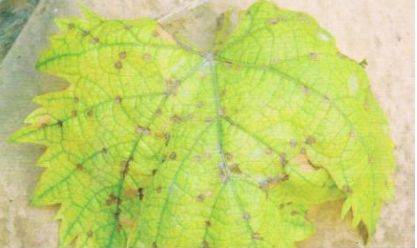
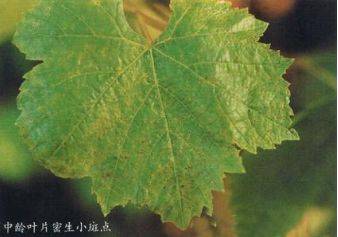
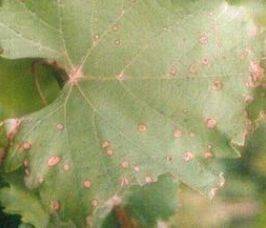
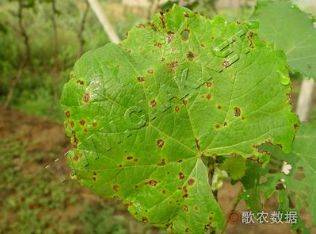
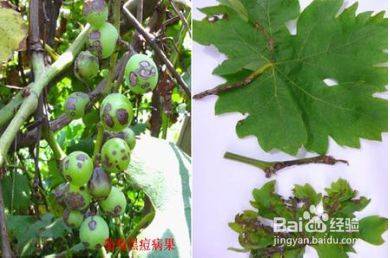
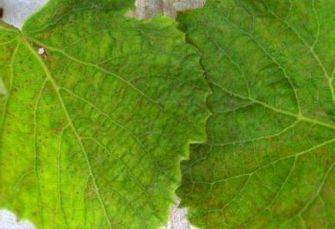
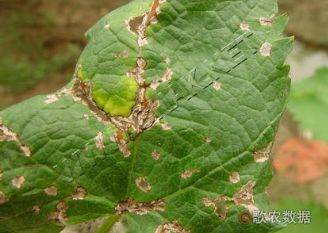
A small needle-coloured spot occurred in the early days of the leaf, and then developed into a round 1-4 mm chromatic diameter, turning the centre into gray, and finally the tissue of the disease became dry and hardened, and it became perforated. Teenage is affected by distortions and wrinkles。
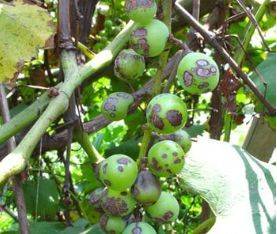
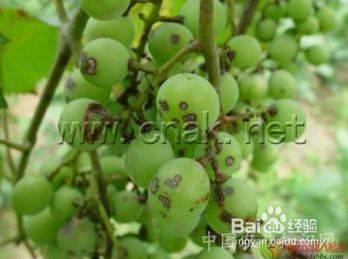
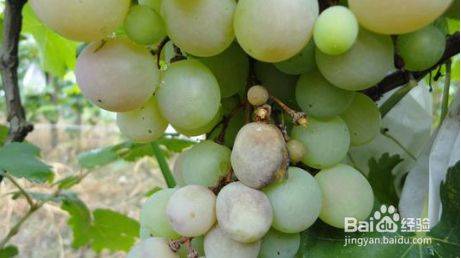
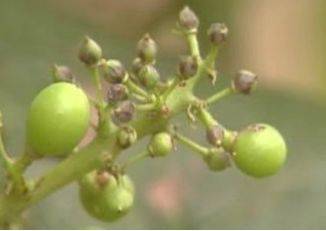
The disease is not easily transmitted after it is actually colored. In the early stages of a green fruit disease, brown domes are produced, middle domes are white, dim, edges are tan or purple in the form of "bird eyes" and many small spots are combined into large spots; post-mortem sclerosis or turtle cracks are found. It's a little odoury, no food value。
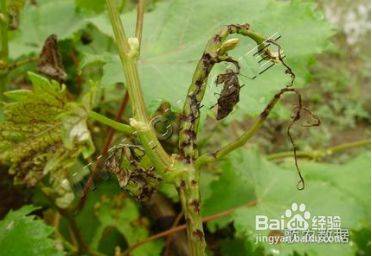
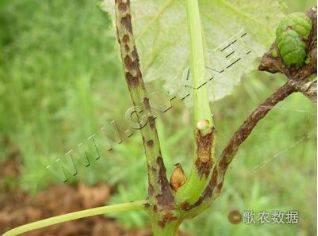
New, leaf handles, fruit handles, rolls. After the illness, it initially produced round brown spots, which later became grey and black, the centre was dented into dry ulcer spots, with severe final drying or death。
Incidence factor
Climate
The epidemic of black pox is closely related to rainfall, atmospheric humidity and the fertilization of plants, especially in spring and early summer (april-june). Heavy rainfall and humidity facilitate the formation, spread and precipitation of spasms; at the same time, heavy rains, high humidity and the rapid growth of host young tissues cause serious disease. There has been a significant reduction in the incidence of diseases in dry and dry years or in areas with low rainfall. The period during which the disease occurs varies from region to region。
In the south china region, when grapes began to develop leaves in late march to late april, temperature conditions reached the range of disease activity, and during the may rainy season, the disease began to appear. Late in mid-june, the temperature rose to 28-30°c, with frequent rainfall, high humidity and large numbers of growing plants. Green organizations, with a peak in cases of disease, have had approximately 6-10 days in the most suitable conditions. Temperatures beyond 30°c after july to august are reduced in rainfall, humidity, tissue ageing and disease inhibition, and diseases can occur seriously again in the autumn in the event of heavy rainfall。
In the northern part of china, the onset of the disease began in mid-may, with high temperatures and rainy seasons in june-august peaking, and after october, temperatures were reduced, weather conditions were dry and the disease stopped growing。
In mid-april, the eastern part of the country began to suffer from a disease, with rising temperatures during the rainy season, heavy rains and temperatures, during the onset of the disease, high temperatures and droughts in july-august, and a new development in september-october, with heavy rains。
Cultivation
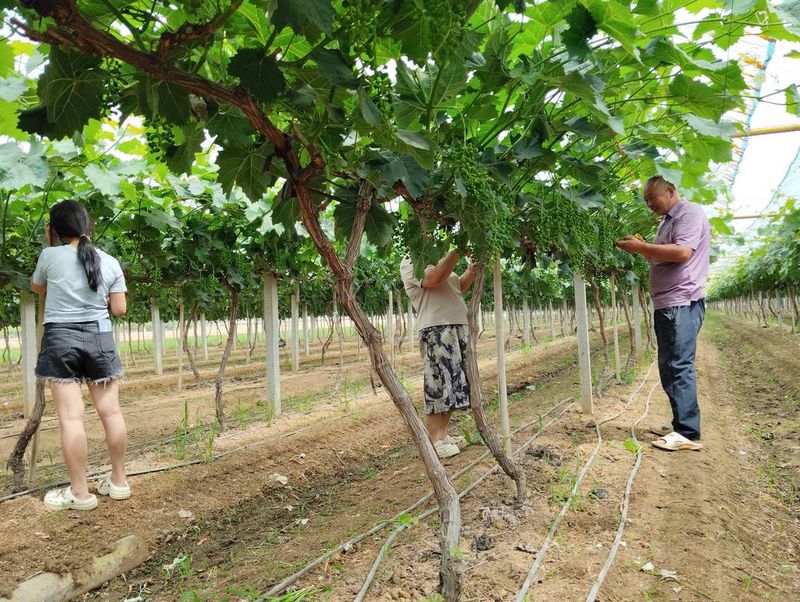
Low-lying and poorly drained orchards tend to suffer more from disease. Mismanagement of cultivation, weakening of trees, inadequate fertilizer or inadequate co-operation can lead to disease. In particular, little attention has been paid to the health of the winter orchards, where a large number of diseases and disabilities remain, creating conditions for the spread of the fungus over the winter and the second year。
Species
Eastern and local varieties are susceptible to disease, as are individual western european varieties, but the vast majority of western european and black sea varieties are resistant to disease and european and american hybrids are rarely ill. Among the most serious types of sensory diseases are: demiat, goat milk, large whites, seedless troughs, sarchi, pine pearls, red flamingo-free grapes, dragon eyes, non-nucleic whites, paul gallé; medium-prevalent strains: queen of the vineyard, roses, new roses, italy, black poto, mafrout, little red roses, etc.; mildly contagious strains: falling pearls, upper roses, francillan, garry, gimosa, etc.; anti-pathic varieties: roses in new york, early birth, gao, heellin, big peak, van, red fus, hepino, teta, queens, quasin, conbell, rose lou, ceso, white banana, bak, sabre 2003, sabre 2007, crystal, queen, black tiger, etc。
Preventive measures
Biological control
Prevention programme: 300 times less velocity/net dilution application, one dose for seven days。
Treatment: in case of mild onset, the (speed/net) application is 300 times thin, 5-7 days of medication; in case of serious illness, the rate/net 75 ml + 15 ml of garlic oil, 15 kg of water, 3 days of spraying, 1 time of drug use, depending on the condition. The fight against raisin poxes should be accompanied by comprehensive measures to reduce bacterial sources, select resistant varieties, strengthen field management and complement drug control。
Sterilizing the trees
As the distance-free transmission of pox disease is mainly through seedlings or plugs with fungi, the choice should be made between disease-free and non-sterilized trees on the west side of the vineyard. The method is to impregnate the tree or plug in the medicine for three to five minutes before planting or breeding。
It's completely clean
Since the first infections of pox are mainly caused by the infestation of the disease through winter filaments, it is important to clean up the winter season, reduce the number of bacterial sources infected at the beginning of the following year and reduce the development of the disease. When trimmed during the winter season, the branches and remaining fruit are cut, diseases, old barks are scraped and the dead branches, leaves fall, rotten fruit etc. In orchards are completely removed. Then focus on burning. Extremist sprays the trees and the earth around the trunks. The period of spraying has been swelled with grape sprouts, but has not yet appeared in green tissue. Late spraying can cause drug damage, with less early effects。
Use of resistant varieties
There are significant differences in the resistance of different varieties to octopus, and local production conditions should be taken into account prior to the planting of vineyards, the level of technology, the selection of locally suitable varieties, the high commodity value and the relative resistance to disease。
Strengthening management
In addition to proper field sanitation and minimizing the source of bacteria, measures for field management, particularly sound water management, should be urgently pursued。
Pre-plants and annual harvests are followed by the application of high-quality organic fertilizers to maintain strong tree positions; the pursuit of fattening should be based on total fattening of nitrogen, phosphorus, potassium and trace elements, avoiding the application of individual and excessive nitrogen fertilizer。
Grain gardens that are replaced by flat ground or water fields must be properly drained after the rain and prevented from planting water in orchards. The management of the fields, such as weeding in the course of a row and the removal of chickens, must be done in a timely and efficient manner, so as to provide the garden with good ventilation and reduce the temperature of the fields. These measures are conducive to the development of strong plant resistance and to the infestation, growth and reproduction of pathogens。