The cost of the construction of a safe civilization is a total cost measure in the amount of the building installation fee. The costs include four components: environmental protection costs, civilized construction costs, safe construction costs and temporary facilities. Prior to the 2021 beijing city construction price basis-budget consumption standard and beijing city housing repair basis-budget consumption standard not being implemented, security civilization construction costs were charged directly as non-competitive costs, and the new budget consumption standard is now being implemented, and the safety civilization construction fee is subject to an autonomous offer. This requires us to have a more detailed understanding of the detailed costs of building a safe civilization。
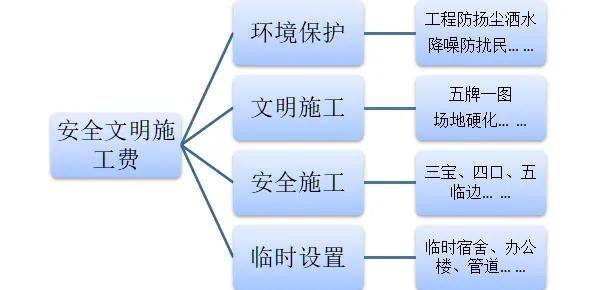
Cost classification
The breakdown of the cost of construction of a safety civilization is as follows:
I. Environmental protection costs:
1. Noise reduction, anti-disturbation facilities (sound steel vertical protection net, welding room, ground pump operation soundproofing shed)
2. The cost of covering the site of work with bare soil filters (including filter materials)
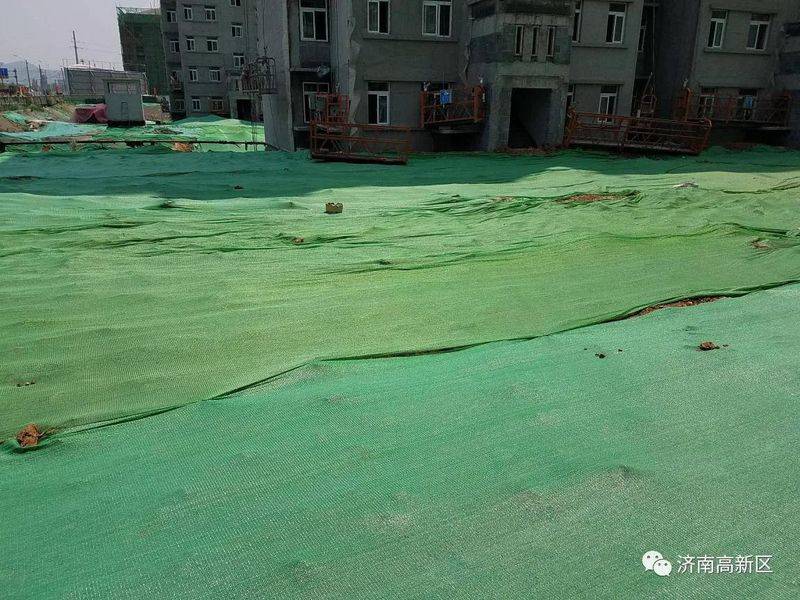
On-site net coverage
3. Dust relief facilities (water tankers, fog guns, on-site spray system, slurry for dust protection, daily water spills, daily road cleaning)
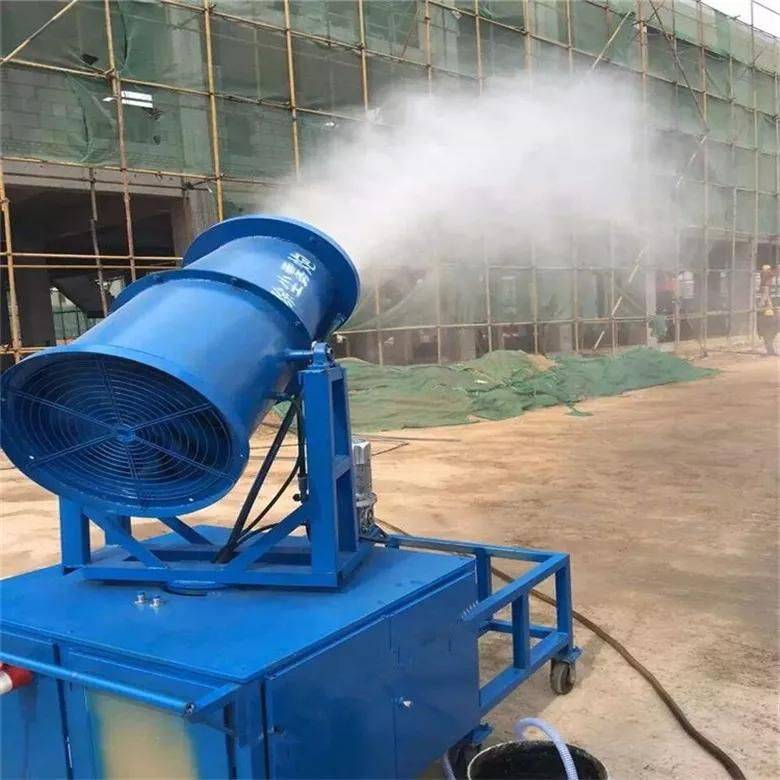
Fog cannons dropping dust
4. Scraper, concrete tank vehicle, garbage removal vehicle site washing facility (car wash, sediment tank, sewage tank)
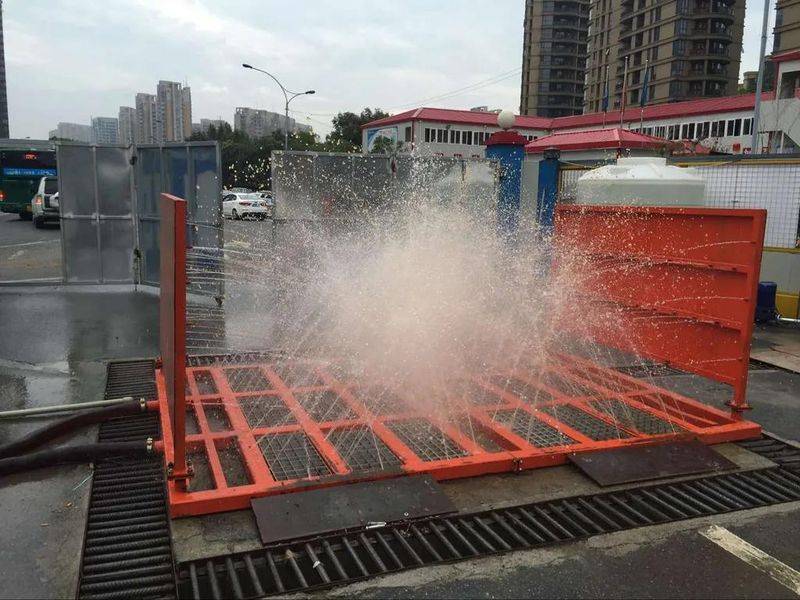
Car wash wheelwork
5. Construction of a centralized storage facility for garbage at the construction site, garbage disposal, freight charges (waste cans, dumps, waste dumps, garbage scavengers, day-to-day construction waste disposal, daily waste disposal)
6. Construction sites, office areas, sewage facilities in worker living areas, sewage charges (septic tanks, oil tanks, daily septic costs)
7. Environmental monitoring systems for construction sites。
Ii. Breakdown of civil construction costs:
1. On-site block facilities (site block, nine-card one, block board brush vi or sticker (man-made grass), block tops with lighting lamps)
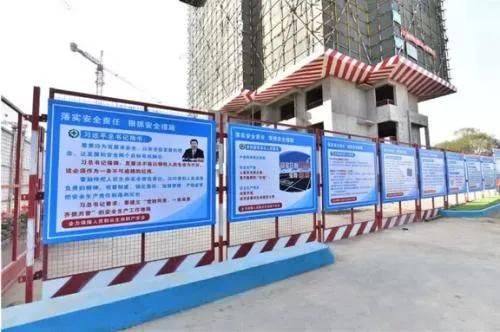
Nine-card one
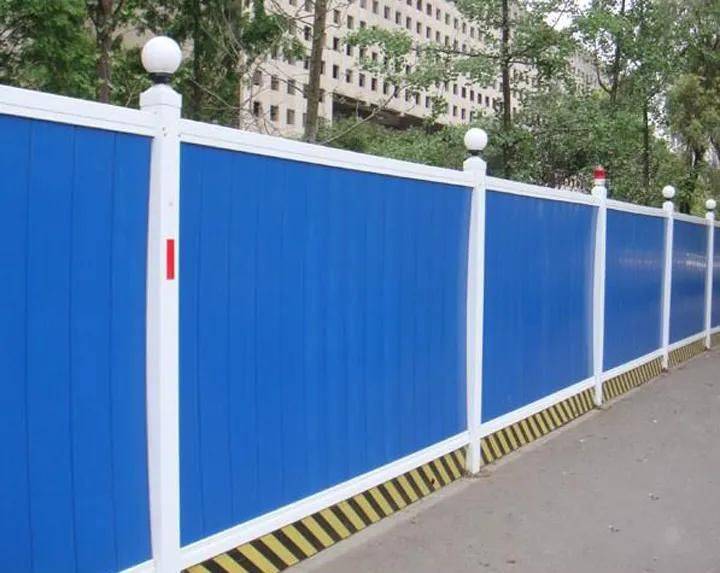
Site block. Block tops for lighting
2. Construction site, office area, closed facilities in worker's living areas (work site gates, business markings, locks, face recognition system, on-site monitoring system)
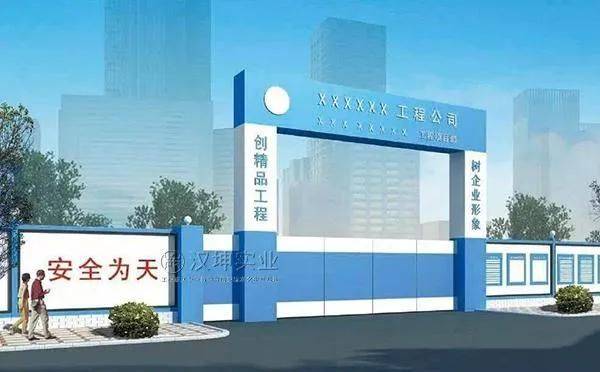
Site gate design
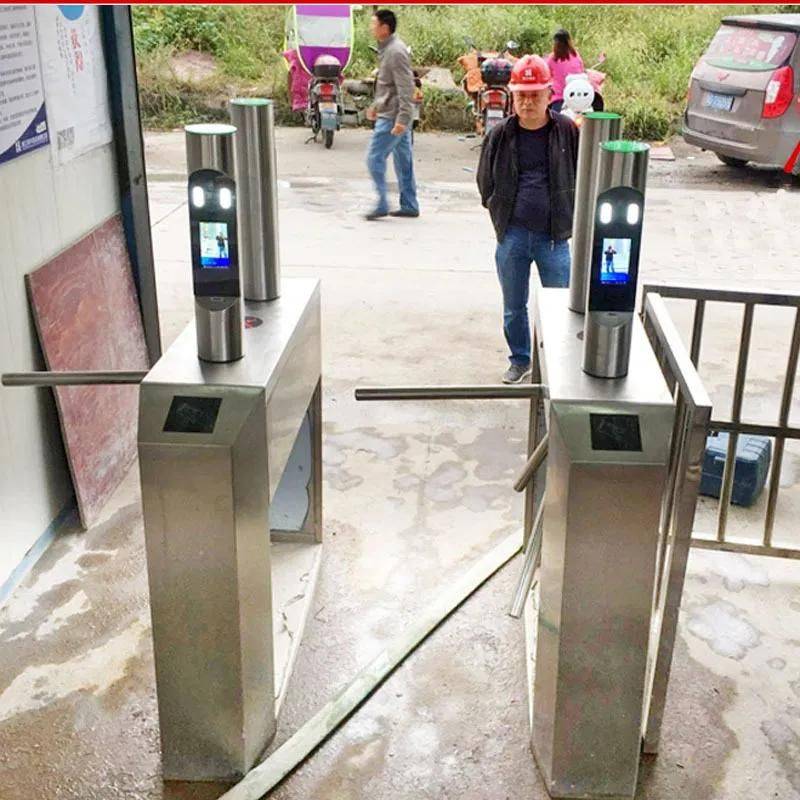
On-site locks, face recognition system
3. Construction site, office area, workers ' living areas hardened (road hardened, site hardened, drainage ditches, ground-pited roads hardened)
Construction site material storage facilities (general material storage, toxic and hazardous material storage, steel and steel assembly sheds, carpentry and template woodwork fields, hydroelectric processing sheds and storage grounds for hydroelectric materials, bulk cement cans, dry mix slurry tanks, material identification signs)
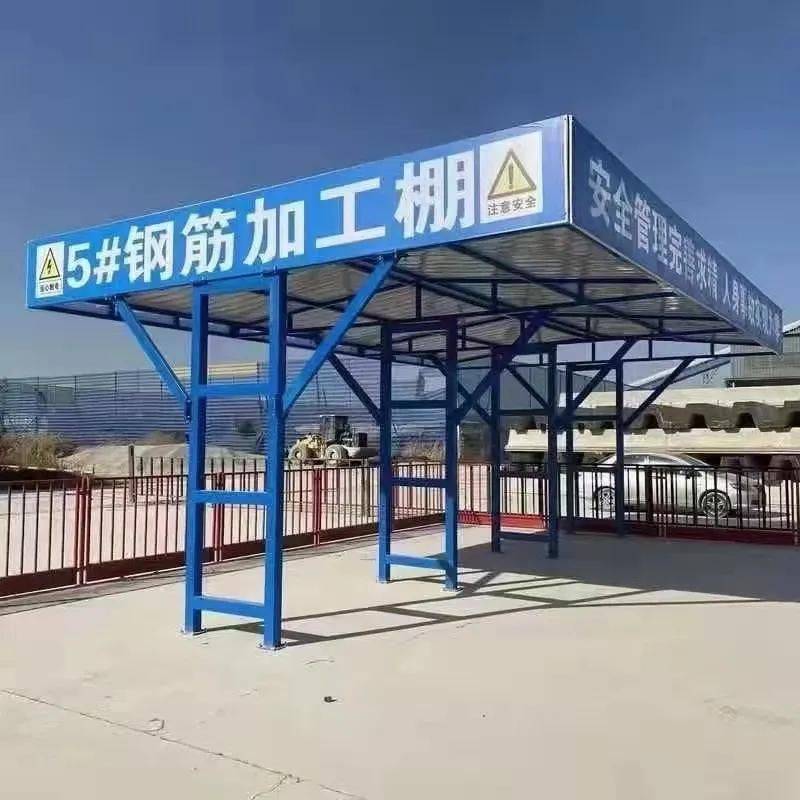
Steam shed
5. The cost of sanitation of the latrines in the workers ' living areas at the construction site (bricks on the ground, bricks on the pits, paints on the outer wall, uv fly-fighting lamps, daily flushing)
6. Construction site, office area, living facilities for workers ' living areas (washing pool, wash pool, hanger, hanger, hanger, charging stakes, recharge cabinets, water heaters, drinking water, door curtains, smoke alarms)
7. Cost of greening construction sites, office areas, worker living areas, security facilities (green planting costs, alarm equipment, surveillance equipment, security room, security equipment)
8. Medical first aid (medicine kit, stretcher, training video, medical first aid manual)
9. Summer cooling (air conditioners, electric fans, fragrance, fluff)
10. Prevention of disease (face masks, detection of nucleic acids, quarantine material, isolation rooms, temperature measuring devices, routine extermination)。
Iii. Detailed costs for safe construction:
1. Vertical, horizontal and peri-frontal protective devices:
(1) “four-cap” protection (stairway, elevator's pipe, passage block, with hole-column)
(2) `five side' facilities (barrells on the balcony, fences on the floor, fences on the side of the roof, fences on the side of the roof, fences on the side of the pit, fences on both sides of the unloaded platform)
(3) external wall protection scaffolding, pick-up, climbing, elevator well protection platform, crash nets, protection nets
2. Details of other protective facilities:
(1) chainsaw shield, cutter shield
(ii) platoon guard, tower guard, exterior elevator scaffolding (with warning signs, layered security doors, shelter)
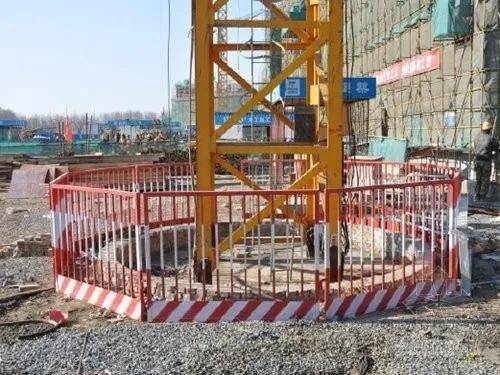
The tower's on guard
(3) frustration sheds, safe protection passages, intra-basic tracks
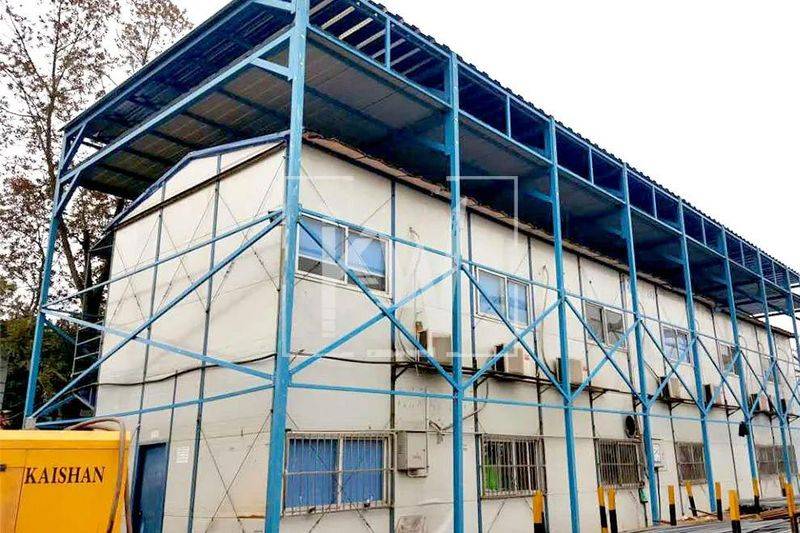
Squawk shed
(iv) the cost of testing the tower, the cost of testing the outdoor lift and the cost of testing the electric hound
3. Detailed security items:
(1) safety hats, seat belts, safety nets
(2) labor gloves, insulation gloves, insulation shoes, rain shoes, raincoats
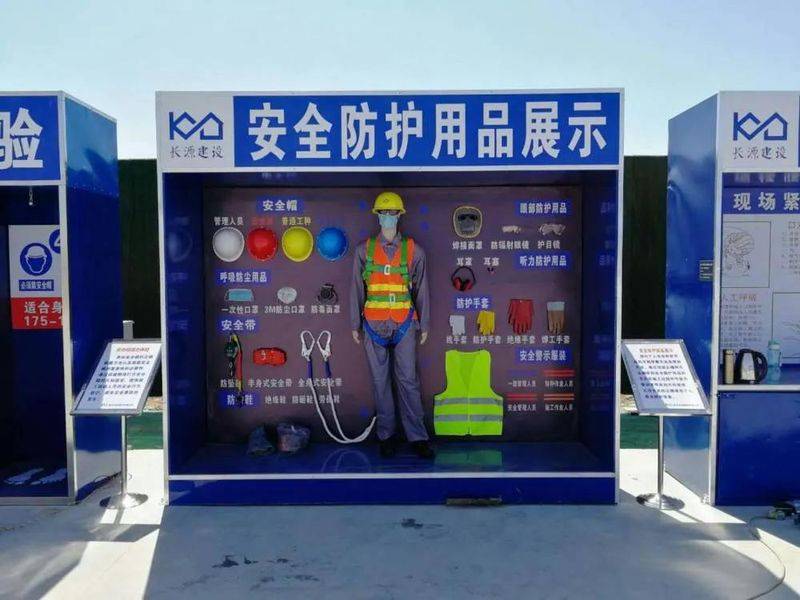
Presentation of safety and security supplies
4. Detailed fire protection facilities:
(1) fire-fighting embolisms, fire-fighting water pipes, fire-fighting tanks, fire extinguishers, fire-pumping rooms, fire-fighting taps, fire-fighting equipment centralization, smoke alarm devices
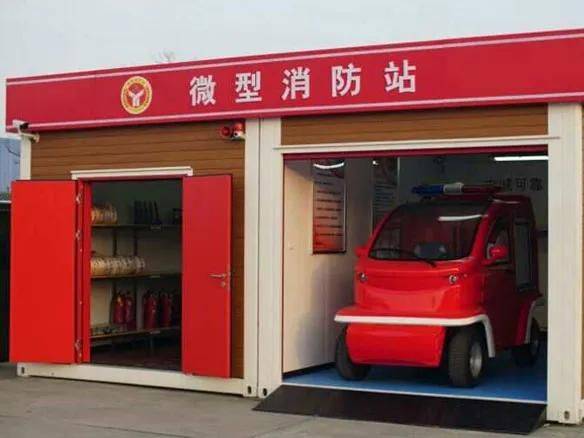
Mini-fire stations
5. Discrepancies on billboards and security identification:
(1) public billboards, operating protocols, job accountability cards, management systems cards, security signs, promotional boards, reading newspapers, security wall charts, security posters, electronic monitors
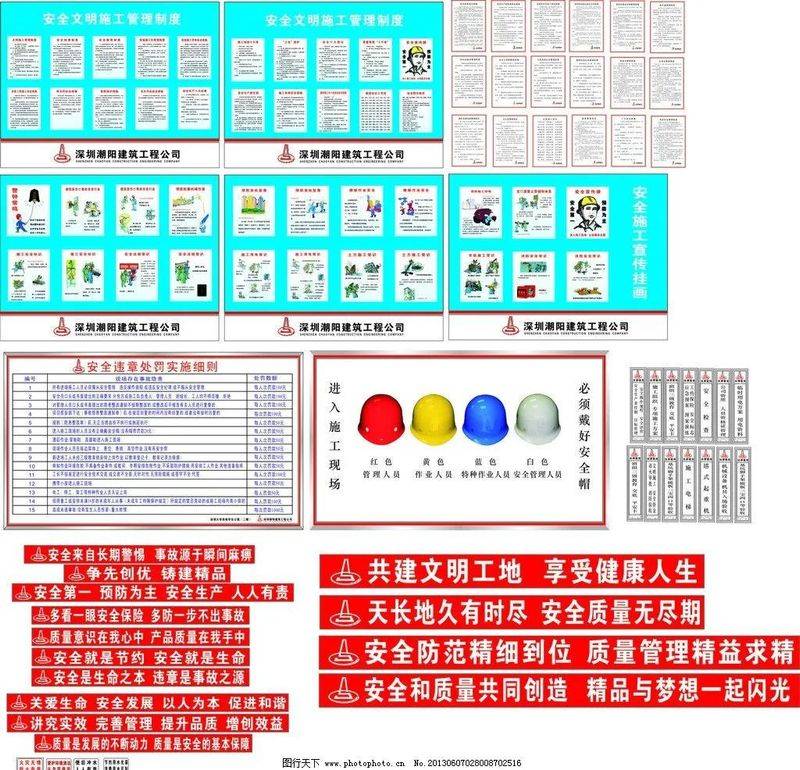
Identification, signs, signs, etc
Iv. Breakdown of temporary facilities:
1. Details of the facilities to be built at the construction site:
(1) offices, craft model areas, material seals, material display booths, tea rooms, smoking areas, level iii education podiums, site safety areas, scales。
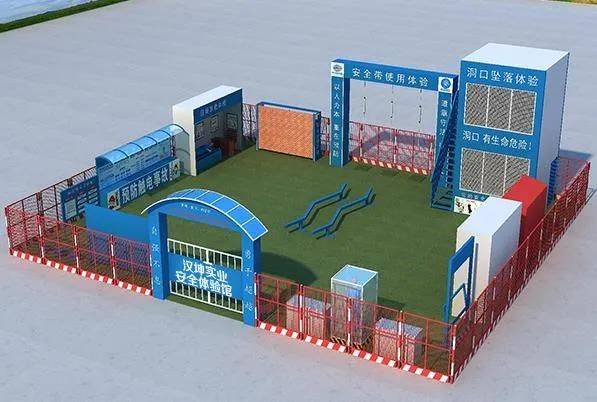
Clear
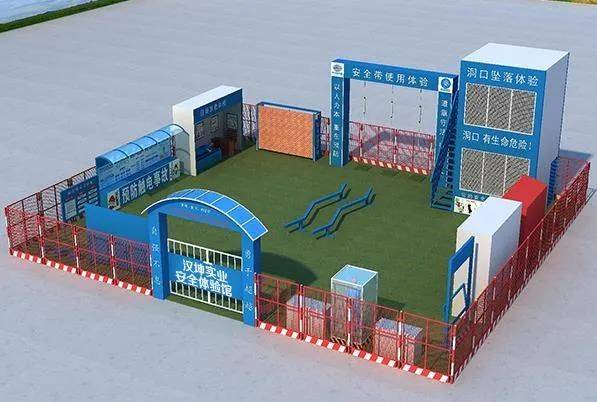
Site security area
2. Detailed additional facilities for the project premises:
(1) offices, dormitories, conference rooms, canteens and dining areas, toilets, showers, flagpoles, banners, recreation rooms, sports facilities
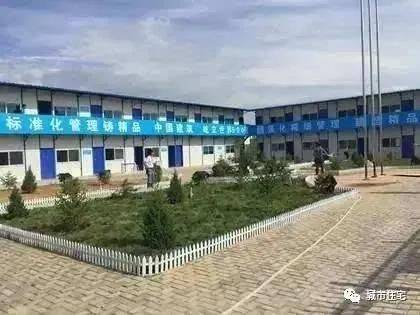
Construction of office space
3. Detailed facilities in the worker's living areas:
(1) offices, dormitories, conference rooms, canteens and dining areas, showers, toilets, smoking areas, water sheds, parking sheds, agricultural night schools
4. Details of temporary electrical installations:
(1) first-stage distribution cabinets and switch boxes, second-stage distribution tanks and switches, distribution lines, lighting lamps, site protection devices, distribution rooms, external electrical protection, emergency lighting, cable tubes
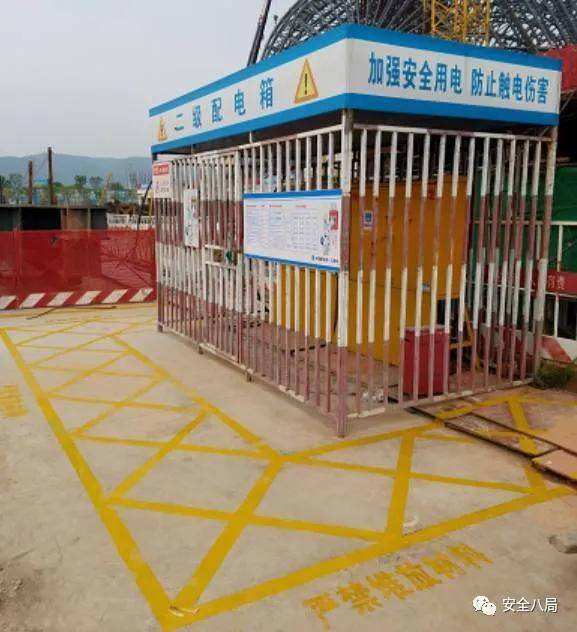
Level 2 boxes and external electrical protection
5. Breakdown of temporary water facilities:
(1) temporary improvised water towers, tanks, temporary water pipelines, temporary drainage lines。