How do you plant tomatoes? From planting to results, the practical steps are clear
Many grow tomatoes, starting with the purchase and planting of seeds. However, many people have experienced the same problem: the smaller the seedlings, the smaller they grow, the smaller the flowers and the smaller the results. In fact, tomatoes are growing without complex techniques, with each step being right, increasing the survival rate and more stable later production. This paper, which does not speak falsely, is all practical and operational。
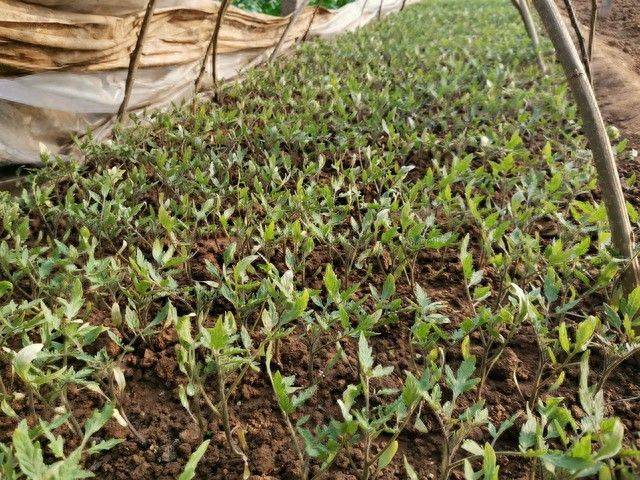
The first step is a seedling. You'll have to look at a few places when you buy a seedling. Slim's height is between 15 and 20 centimetres. The tubing is thick, the leaf colours are normal, and there are no yellow, dry, spots. The roots must be complete, the dirt must remain intact, the roots must be white or yellow, not black or stink. Do not buy seedlings that are long, yellow leaves and hairy leaves, which continue to grow with low rates of survival and a weak future。
The planting time is determined according to the environment. The field cultivation is subject to stable temperatures and no freezing weather. Large sheds can be planted earlier, but at temperatures above 15°c, they should be stabilized and replanted. The earth's temperature is below 10°c and the roots of the seedlings are not easily grown, slow and even flat. The seedlings are selected as much as possible in the dark or in the evening, when the temperature is high at noon, the water evaporates quickly and the seedlings are susceptible to atrophy。
Before planting, you have to clean up the land. The land is tilled early, the earth is crushed and the soil is lax. Try not to plant directly on flat ground. Highs are controlled at about 20 cm, and rises increase drainage capacity and prevent the accumulation of roots after rain. Bottom manure can be used for decomposed farm fat or compound fat. Fertilizers need to be synchronized with the soil so that the seedlings do not have direct exposure to the fertilizer, or they burn. Before planting, the soil is humid by pouring water once。
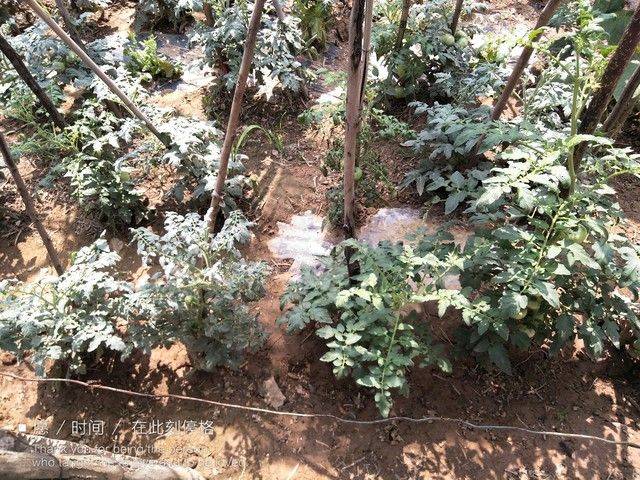
Be light when planting. Let's get rid of the cup and keep the dirt intact. Dig a proper den, put the seedling in, plant the depths of the original bed, and not bury it too deep and leave the roots outside. When it is set, the earth around it is softly pressed and the roots and soil are attached. We'll plant a root water and keep the water running. Cultivation density should be reasonable, with a distance of 30 to 40 centimetres, 50 to 60 centimetres in rows, and density too high to influence ventilation。
Water is crucial after planting. In the first three days of planting, the soil must remain humid so that the seedlings can grow as quickly as possible. When the seedlings are in operation, the frequency of the water is reduced and the principle of non-drinking is followed. Water is chosen in the morning or in the evening, and not at high noon temperatures. Water is poured with small water, rather than heavy water, and prolonged water accumulation can lead to oxygen-depleting roots. During the rainy season, drains must be cleared in a timely manner and water cannot be accumulated for long periods of time。
Temperature and light directly affect the growth of tomatoes. Temperatures remain at 20 to 28°c during the day, at no less than 12°c at night, are too low and slow to grow, and are too high and easy to grow. The day-to-day ventilation of large sheds reduces the humidity of the shed and the incidence of disease. Tomatoes require sufficient light, which is enough time per day for the seed to grow, and the lack of light can lead to long, unflowered and fruitless conditions。
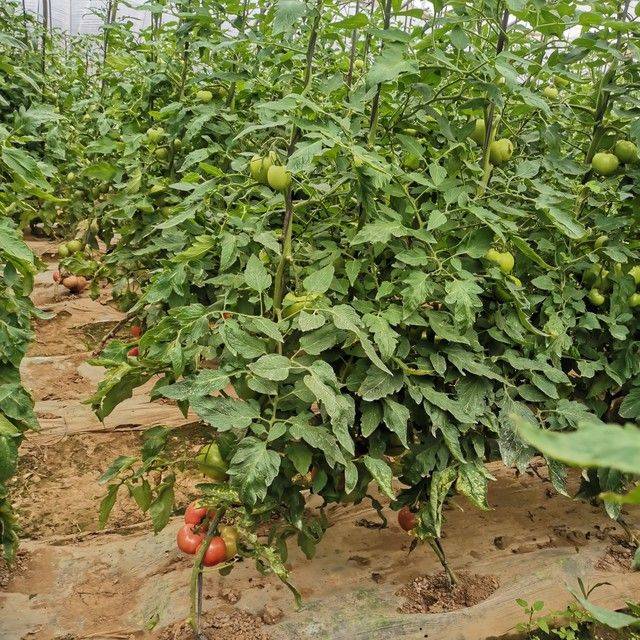
When the tomatoes grow to about 30 centimeters, they're bound to chickens. It may be made of poles and wooden sticks, or it may be pulled up with rope. Tightly tie the mantle to the shelf, holding it steady and preventing the plant from lying on the ground. After planting the plant, there is better ventilation and leaves are not easily accessible to the wetland surface, reducing disease and facilitating later management and harvesting。
Care should also be taken to prevent simple diseases during planting. Try not to sow, and last year the fields of tomatoes, peppers and eggplants were planted, not this year. Maintain ventilation and reduce field humidity. Yellow, sick leaves were found, removed in time and taken out for disposal. Water is poured directly at the root and not sprayed heavily on leaves to reduce the spread of the disease。
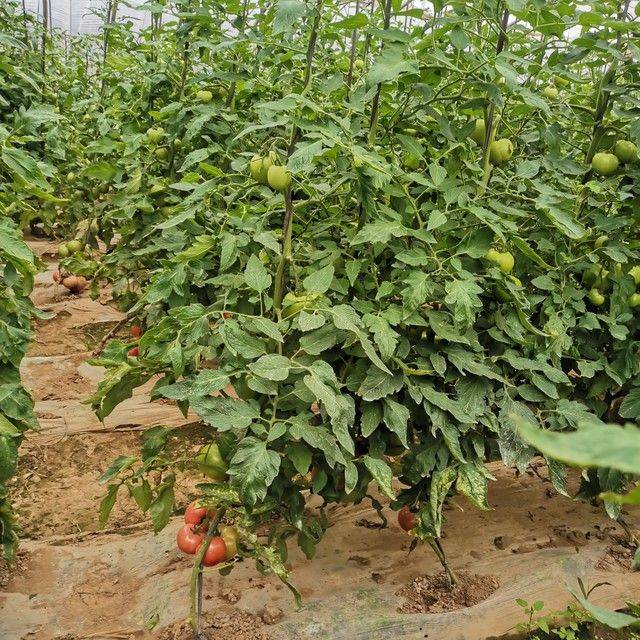
In general, the cultivation of tomatoes is not difficult. The key is to do several things: choose a strong seedling, plant it at the right temperature and time, plant it, fertilize it rationally, mount it in time, and ensure ventilation and light. These basic steps will be taken, with high survival and stability of seedlings and a significant increase in the number of later flowering results. This is the method used for gardening, gardening and gardening。