1. Home-free farming methods: seed selection, leaching of seeds, washing of seeds and putting them in seedlings; frequent watering, in the shadows, to maintain ventilation; and, when soybean seedlings grow, placement in areas with light and ventilation. 2. Field planting methods: selection of neutral soil cultivation with slightly higher topography, ease of drainage, soil fertility and estrangement; selection of cortex, small seed grains and full green pea seeds; suitable growth temperature of 18-23°c and approximately 80% humidity。
I. Overview of bean seedlings
The bean seed is a green leaf and a green tuber of peas, also known as the soybean, the soybean, and the dutch soybean. The soya seedlings that are grown in households are soilless and generally take only a few days, when they grow to about 10-12 centimetres and grow in a consistent manner, with the back leaf being extended or sufficiently fat. The whole body is on the market or is sold with a sharp knife from 5 to 6 cm in the base。
Ii. Methodology of between slows
The fragrance, fragrance and nutrients of soybean seedlings, with their many therapeutic foods, are well received by modern people and have good prospects for green leaf and vegetable cultivation, as described below
Family landless cultivation methods
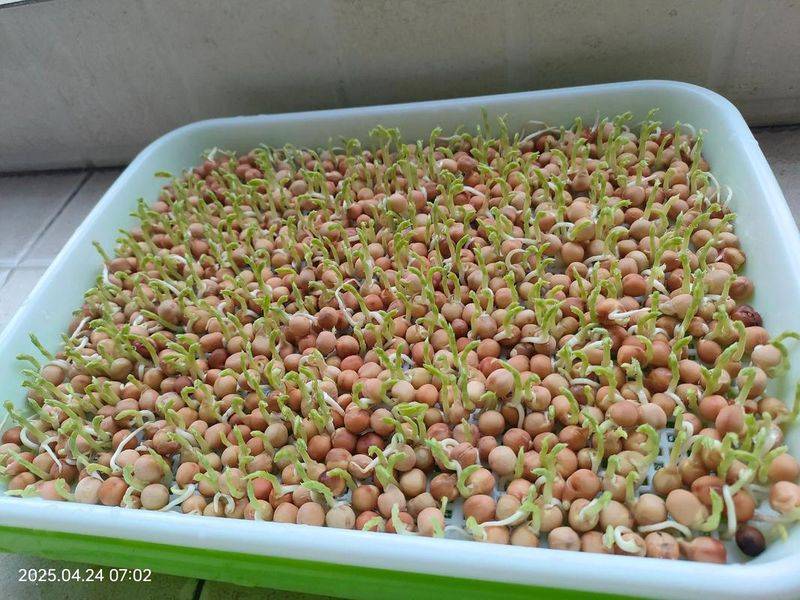
Choose healthy and full peas, soak pea seeds in water for 24 hours, soak them in a small white spot and wash them with water for two or three times。
Bean seedlings are placed in a nursery, covered with two to three layers of gauze, immersed in water, so that all immersed pea seeds are spread over the yarn, so that they remain humid。
It is necessary to water pea seeds regularly, keep them wet on the bottom, wait in the dark for buds, and keep them well ventilated, be careful not to be below 15°c, and grow in almost two or three days。
When the bean seed grows high and is placed in a place where there is light and ventilation, it changes from yellow to green. There are two main points to be noted here: one germinates where the light is hidden, and the other humid。
When the bean seed grows to about 10 centimetres, the top leaves start to spread, and the harvest can take place. Cut it off at 2-3 centimetres of the root. Thereafter, water can be poured at an appropriate rate every day, and green-oiled soybean can be harvested in about two to three days。
2. Farming methods
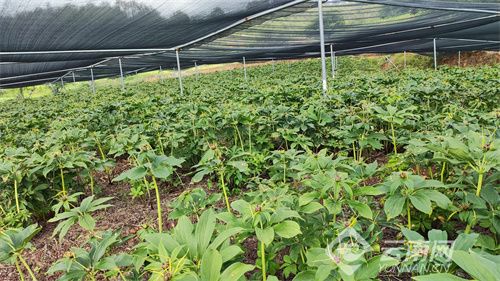
Plantation facilities and site requirements
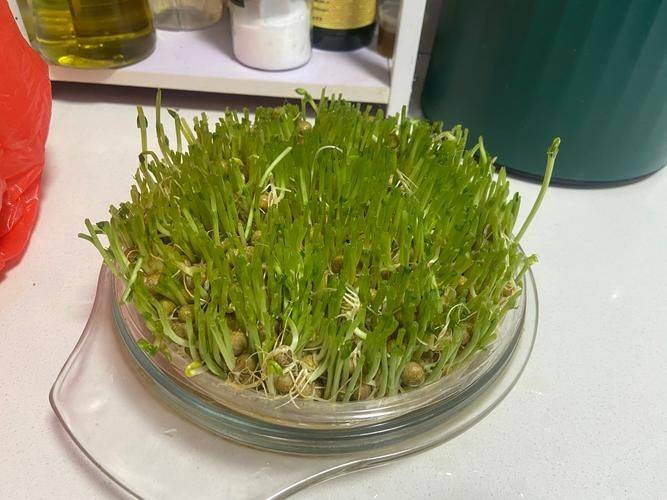
1 site requirements: production of soybean seedlings, which can be grown with closed balcony and winter-heated large sheds, with suitable growth temperatures of 18-23°c and about 80% humidity and no need for too strong light。
2 baby-breeding basins: the seedlings used to produce pea seedlings are durable, portable and air-friendly, and are generally preferred to black plastic。
Plantation techniques
Area 1 selection: peas seedlings are suitable for soil cultivation at a slightly higher level, with ease of drainage, soil fertility, laxity and neutral to micro-alkali。
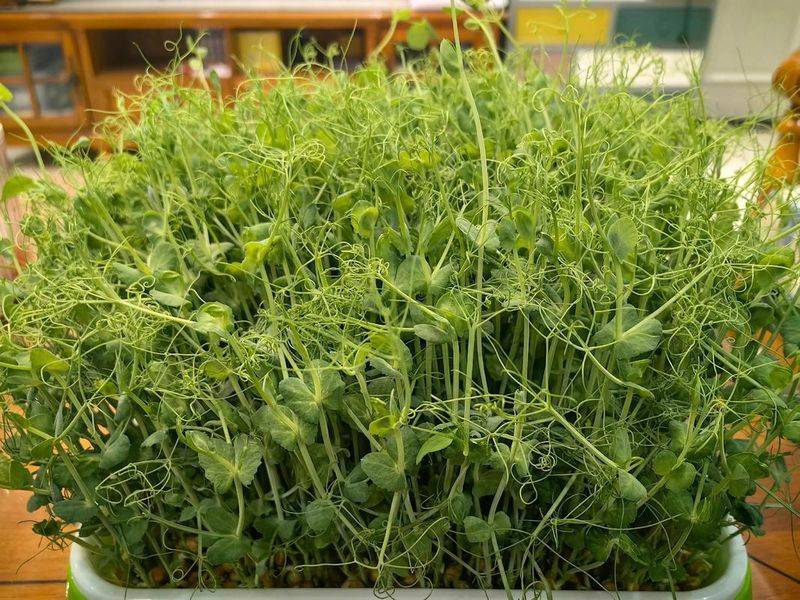
2 selected species: selection of green peas with thick skin, small seed grains, full of peas or peas, which produce large, fast-growing and disease-resistant peas。
Three planting times: the best temperature for pea seed sprouts is 18-20°c, the planting period is 2-3 or 9-10 in the early spring, and warm areas can be sowed from late october to january。
4 management: two fats before harvest, one fat after harvest, and mainly nitrogen fat. Peas seedlings are protected from water, and during their growth attention should be paid to draining ditches to prevent root decay, but not to be too dry and to keep the soil wet. When appropriate, weeds are removed after the rain and after fertilization, and the chickens are taken care not to grow in the larvae。
5 harvest: 30 to 50 days after seeding, 10 to 15 centimetres tall, and picking of a tender spot, i. E., the upper one, when sprouts are light green. They are then collected every 15-20 days, usually 6-10 times。