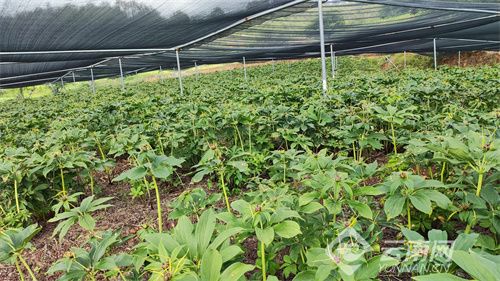
The city of red water, situated along the red water river in northern guizhou, is the region with the largest tourism resources. This is china's largest danha landscape, already included in the world's natural heritage; there are thousands of waterfalls called "the city of the millennium falls" and the country's highest area of bamboo wood, called "the country of the bamboo"... ... And here's a description of the ten most worthwhile places to go。
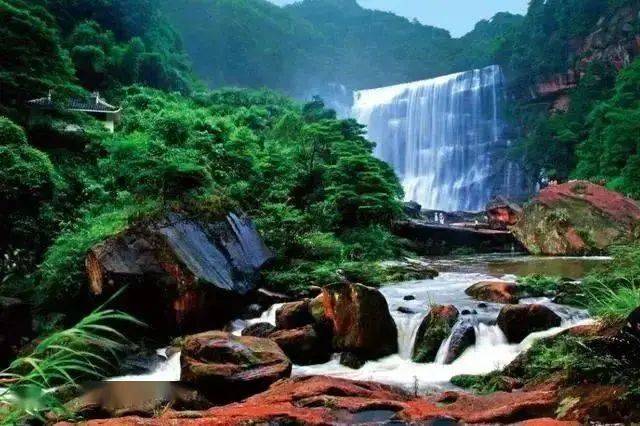
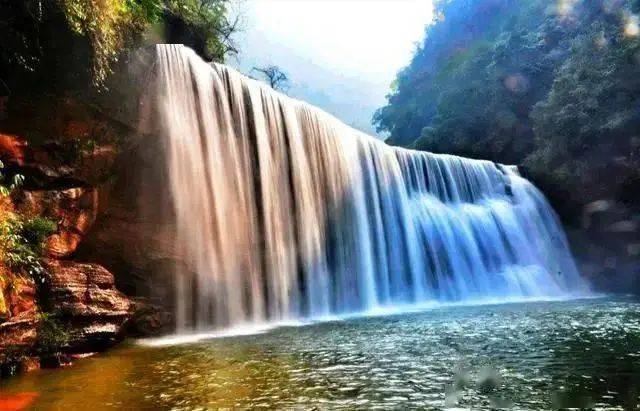
1. Redwater falls
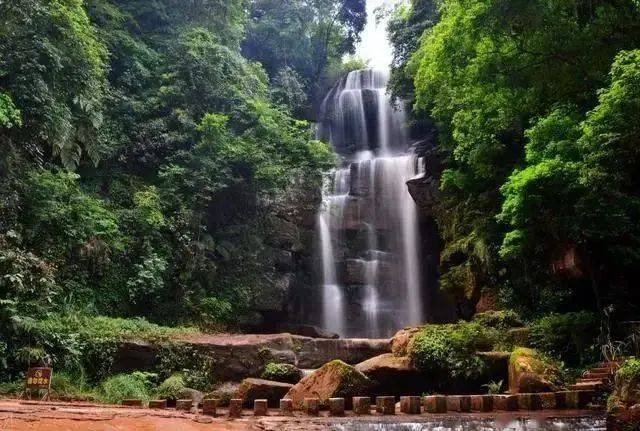
The largest waterfall in the red water is the 10-capture cave falls (now known as the red water falls), 76 metres high and 80 metres wide, which is the second largest waterfall in china, and the largest in china. Near the redwater falls are also the middle hole falls, the dragon falls, the two estuaries, the chicken flying cfalls, etc。
2. Folinstone
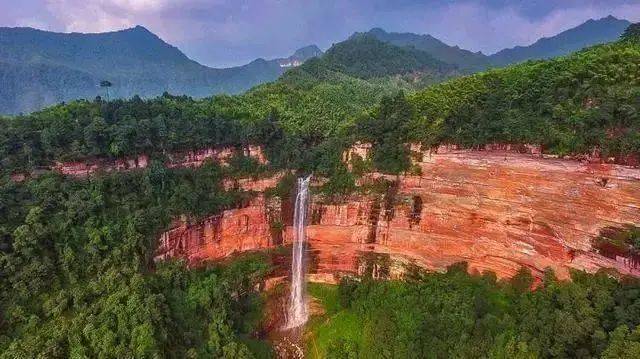
It is located in the city of chuen-huan, which is a representative view of the city, and is located in the area of dahoushan and the northern highlands of lukju county, which are steeply sunk to the sichuan basin, with steep valley slopes, streams and cutting depths ranging from 500 to 1,300 metres. It's an arc, more than 1,000 metres long and 300 metres tall. One of them, over 200 metres tall, 40 metres wide, is a giant waterfall。
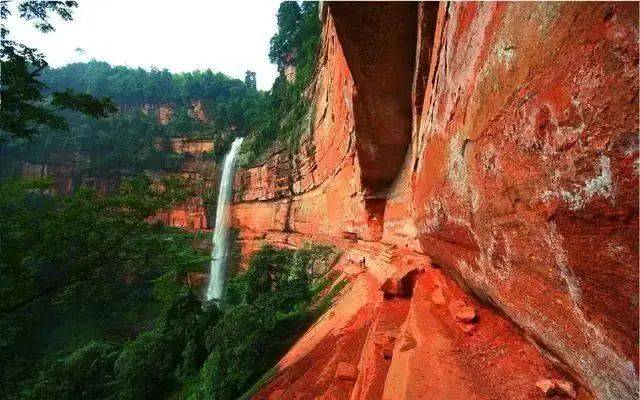
3. Four trenchscapes
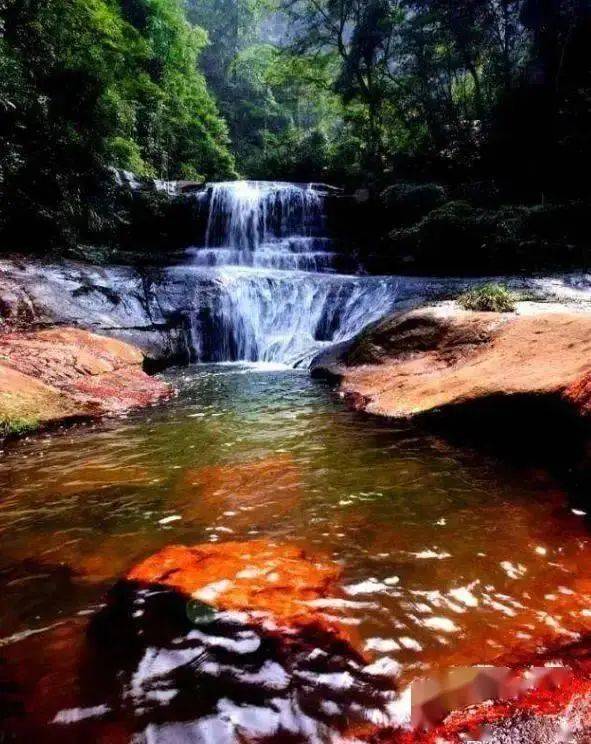
The trenchscape is the waterfall area after the redwater falls, which is located four kilometres down the channel, with four different waterfalls in four different shapes, namely, the water curtains, the moonfalls, the frog cliffs and the white dragon falls. White dragon falls is the largest waterfall in the red water four trenchscape, 60 metres tall and 23 metres wide。
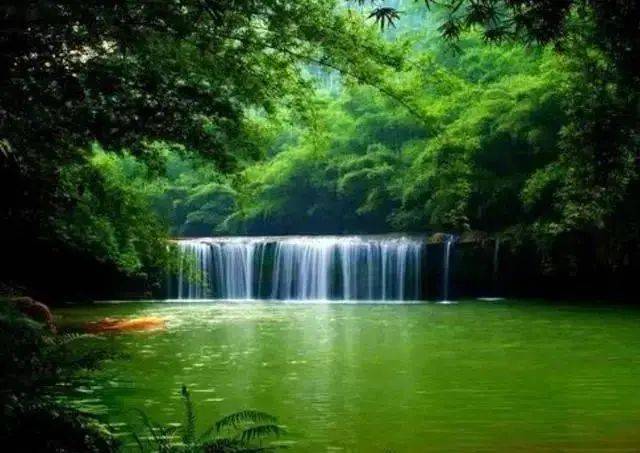
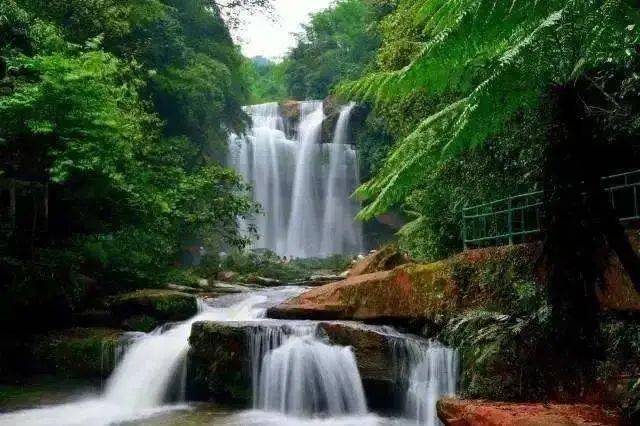
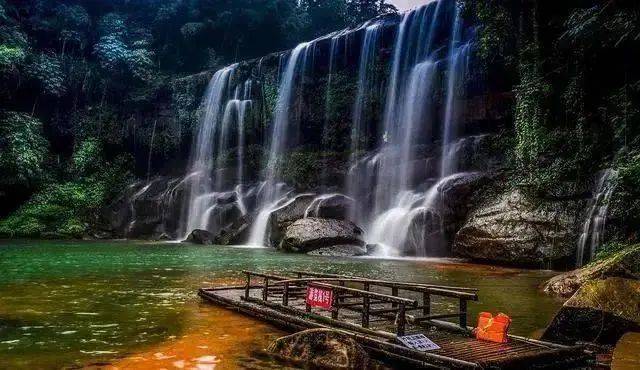
4. Accumulation
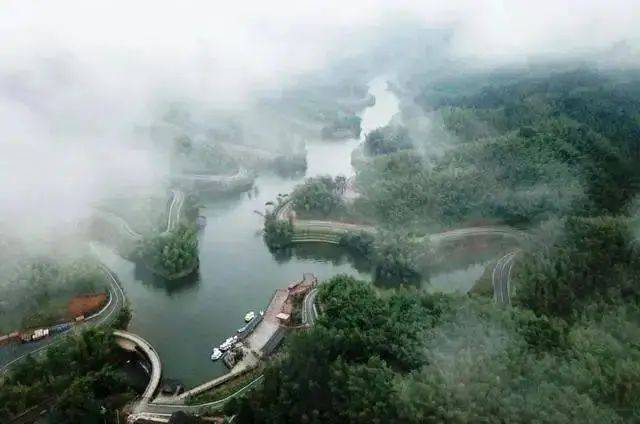
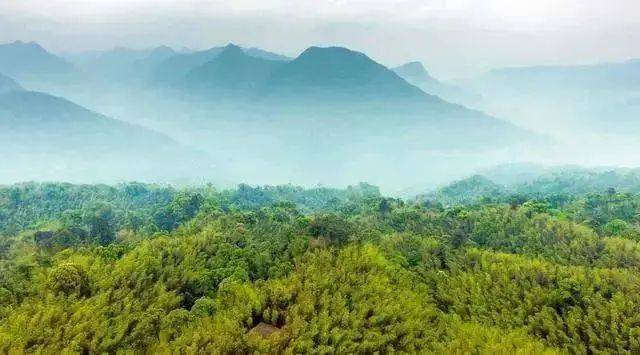
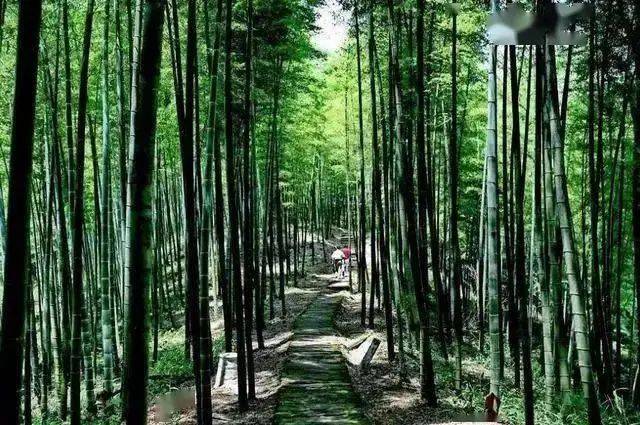
It is located more than 40 kilometres east of the city of achilles in guizhou province, on the side of the achille road, which is the national forest park. The view area covers an area of 1,066 hectares and is dominated by a vast “shoe of bamboo”, with 170,000 acres of bamboo, scattered over the mountains. In addition to the mackerel scenery, the landscapes of tanha, the goddess falls, and the lake。
Five, swallow rock
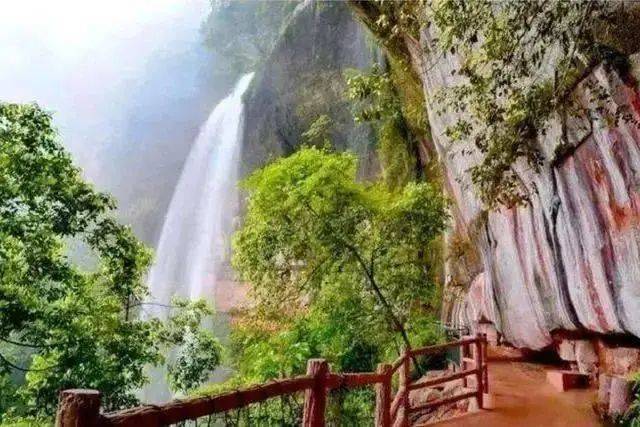
Swallow rock, located in the west bank of the wind creek, 25 km from the redwater city, is the national forest park, which consists of four major attractions of swallow rock, the royal trench, the stone flash, and the hanshan forest sea. The typical area is the swallow rock falls, which are 200 metres high and 30 metres wide. And there's a lotus falls, a small waterfall in the upper part of the swallow rock, and it's so small。
6. Protected areas
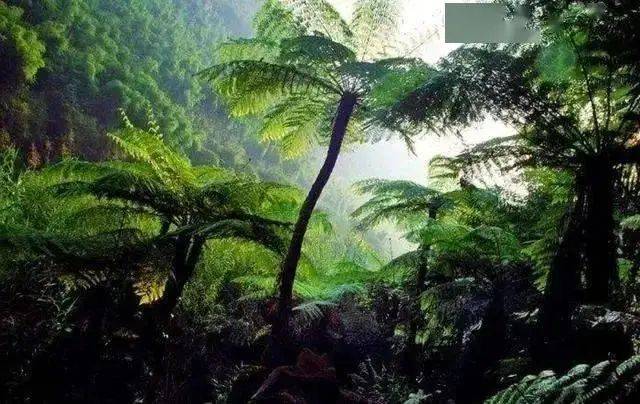
Red water is a national protected natural area, mainly protected by rare endangered flora and fauna and natural ecosystems, such as platinum, covering an area of 13,300 hectares. Today, most of the earth's gills are extinct, and very few survive, with the ancient and primitive habitat of bare water, and some 60,000 of the existing gills in the region, known as “the kingdoms”。
Seven, yang jia il
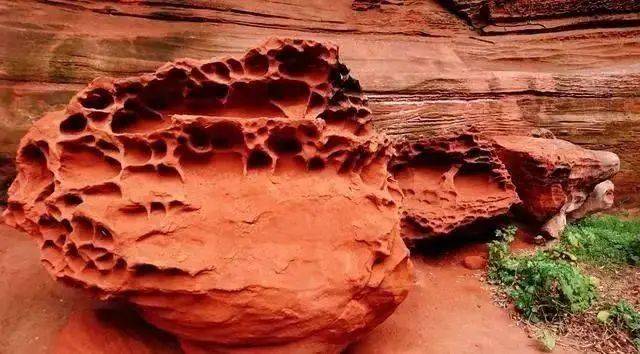
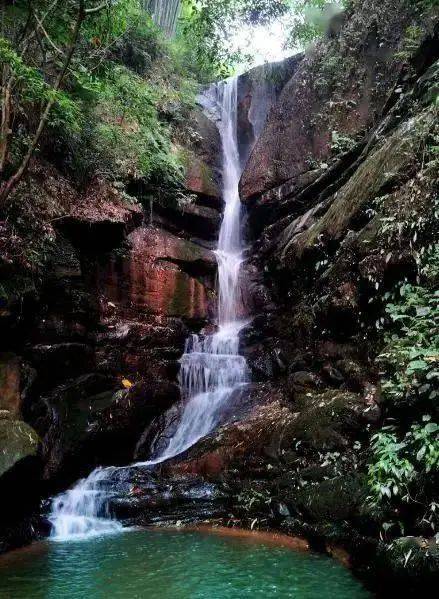
The yang family rock is situated on the side of the huaping river, an ancient town in the south-western part of the city of red water, also known as the “redstone valley”. The view area covers an area of 10 square kilometres and is mainly dominated by the yang's iwa long passage. The yang family is 148 metres long, 20 to 40 metres wide and the cave is 20 metres high. The porch is covered with the dansha mural etchings, and there are signs of a natural beehive. The yang's rockscape also includes viewing ditch falls, rhinoceros canals, climbing falls, weave falls, first-line skyfalls, etc。
8. Lions rock
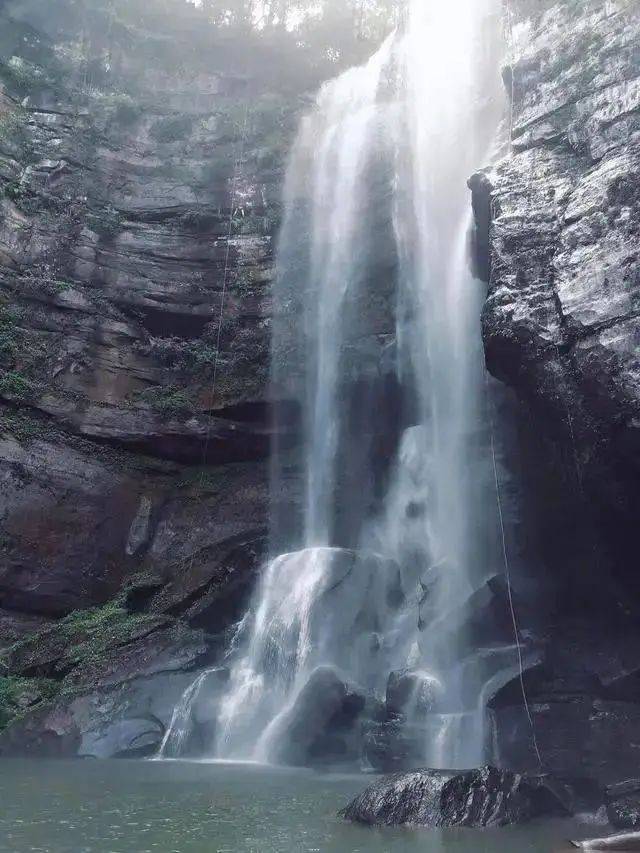
The lions rock falls, located at the mouth of the two rivers of the city of red water, are adjacent to the well-known ten-ten-thousand cave, which is yet to be fully developed. On about three kilometres of the river, there is a concentration of monkey rock waterfalls, snow waterfalls, flying cloud waterfalls, porridge waterfalls, water-college cave waterfalls, etc。
9 pax romana
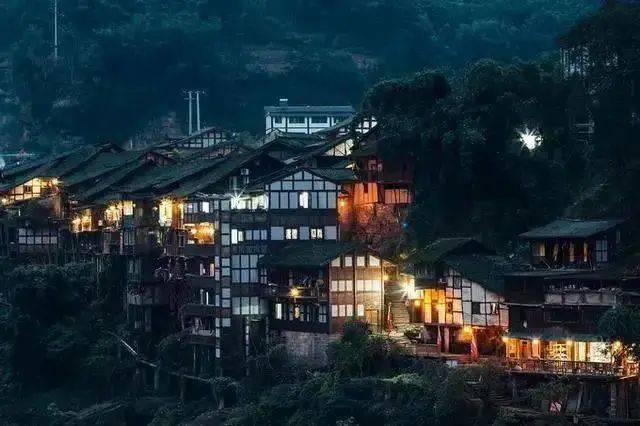
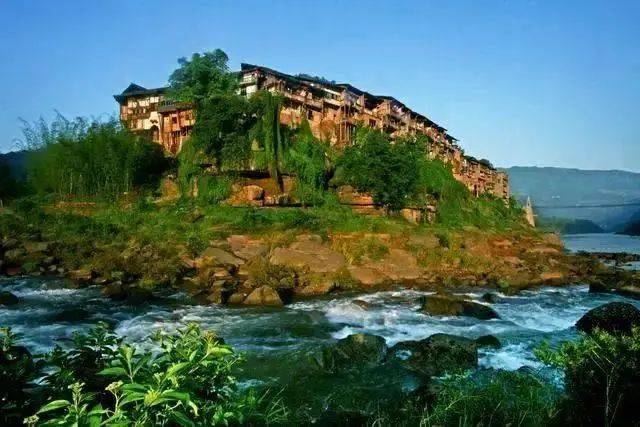
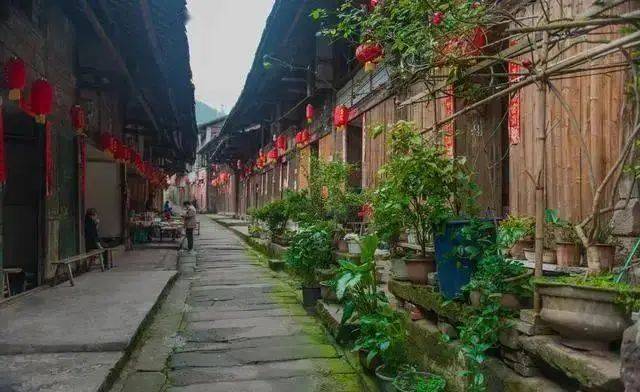
Pax romana is a dock that has suffered from past prosperity and has collapsed. It used to be a special and sophisticated trans-shipment point at the border with kawakawa. The ancient town has preserved a large number of ancient buildings, such as the ancient streets, the ancient docks, the ancient wells, the ancient houses, the ancient houses, the ancient temples, the palaeonts, the ancient monuments, the ancient factories, etc., known as the “historics of stone”。
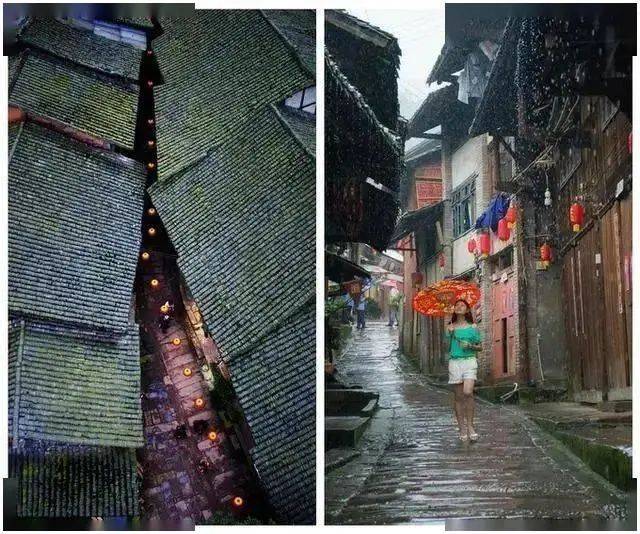
10 piangu town
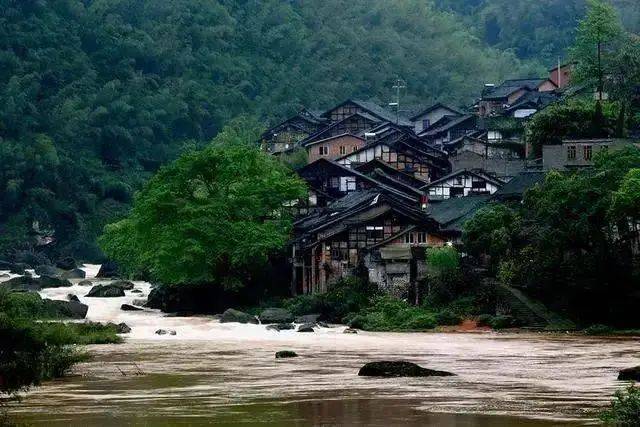
The town of prongu, located in the south-central part of the city of red water, is anciently known as c-bamp and is known as the great danger beach in the red water river. During the year of the great river, after large-scale governance, cyan became a place for salt ships and merchants to spend the night, during which the littoral and brewery forests were built, and the trades were like clouds. There is a poetic cloud, “a year's drinking day, when the boater dies”, “in the light of the crowd, the beach shakes the building”. The old town maintains ancient buildings such as pier sites, the huanglian temple, the happy beach stone bridge, the cyan fiber road, the tsao buddha temple site, the zhao palace site and the twin dragon bridge。