The drought in the north of the country is severe, and fertilization methods and soil management directly affect soil conditions and crop utilization of water and fertilizers. The introduction of fertilizing techniques in dry lands, dominated by fertilizing in springs, and in science, can generally increase soil storage by 9-10 per cent, yield in the valley by 40 per cent and maize production by more than 20 per cent. And how do drylands fertilize? Today, let me introduce the methods of fertilization in the drylands。
Methods of fertilization in drylands
Bottom fertilizers are all applied to primary organic, phosphorus and potassium fertilizers, 80% - 90% to nitrogen fertilizer, and the rest are followed up in a timely manner according to soil conditions。
The application of bottom fertilizers in the autumn combined with a fall crop is applied to the field. The appropriate depth of fertilization is 20 to 25 centimetres。
The application of high-quality organic fertilizer farmers should be more than 3,750 kg/ha, with no (or less) excretion compost and straw pad compost。
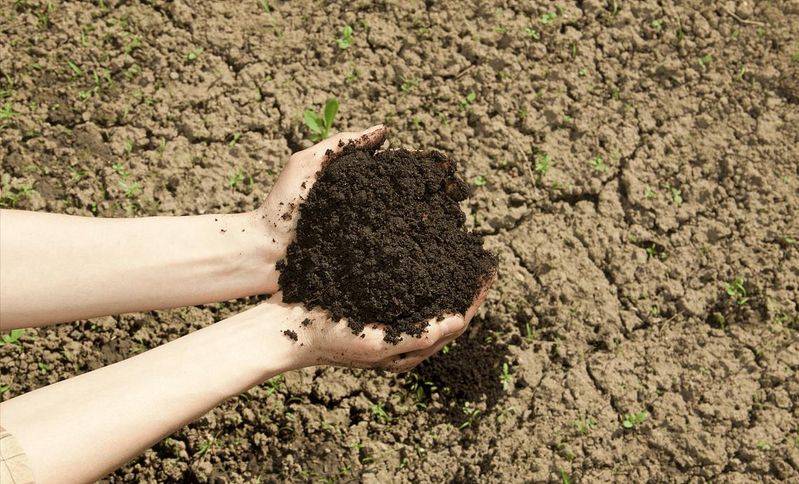
The re-application of phosphorus nitrous phosphorus is determined on the basis of different crops and target yields, with a ratio of approximately 1:0. 5-1 for wheat nitrous phosphorus and approximately 1:0. 45 - 0. 8 for corn nitrous phosphorus. Following the harvest of wheat in the summer, short-term green or economic fertility is grown。
Elements of fertilization in drylands
1. Deepness
Nitrogen fertilization can reduce nutrient losses. Nitrogen fertilizer in limey soils is easily decomposed and volatile, causing nitrogen losses. Nutrient nutrients can be adsorbed by soil after the application of the fertilizer, reducing nutrient volatilization and increasing the use of nitrogen fertilizer. Phosphorus moves very little in the soil and deep application increases exposure to fertilizers and crop roots。
Deep application of fertilizers contributes to the growth of root systems. The roots of crops are the habit of geocentric growth and towards fertilizer growth. A deep application of fertilizers promotes rooting, increases the absorptive capacity of root systems to use fertilizers, and also uses bathymetry in the soil as a means of boosting the roots and watering the water against drought。
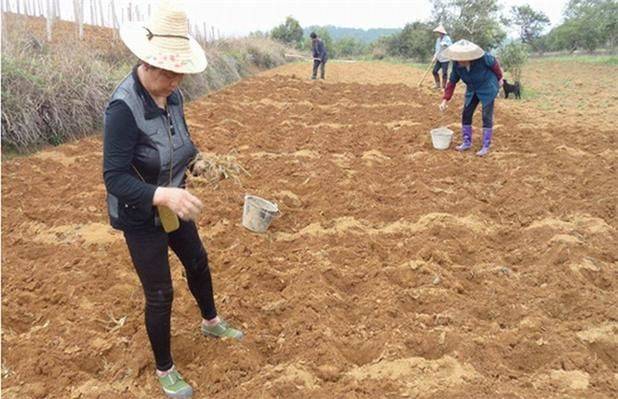
Fertilizers are well applied for nutrient dissolution, conversion and crop absorption. The surface soils of the drylands are mostly dry in the spring and too shallow to produce the expected increase. In particular, the further the phosphorus fertilizer is away from the root line, the worse it is。
Fertilisation depth is appropriate for 12-16 cm. The planting of shallower crops allows the fertilizer to be sowed in depth before sowing. Particularly marginal land, in addition to deep application of base-based fertilizers, attention is paid to the application of appropriate amounts of fertilizers, which contribute to the growth of crop seedlings。
2. Fertilisation in autumn
During the end of the rainy season, fertilizer will be used in the late autumn to promote the early seeding of spring crops, which will be strong enough to combat drought and increased production. Autumn fertilization must be deep, 12-16 centimeters enough. Time is right for mid-october and late. If the rainy season ends late, it can also be extended until early november. If it rains after fertilization, you have to save your fat. Fertilisation in the autumn is the same as in the spring, and agricultural fertilizer is applied in conjunction with fertilizer. Organic fertilization is full, it is slow and persistent, and it is irreplaceable in terms of fertility and organic nutrients. Fertilizers need to work with nitrogen phosphorus to avoid nutrient disorders. Fertilizer optimization works better and keeps short。
Three. Fertilizer at once
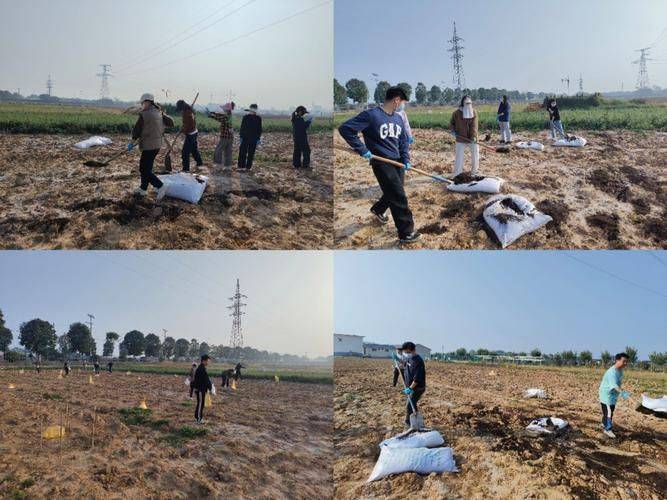
Owing to periods of precipitation, rainfall changes are significant and it is difficult to fatten when crops are needed. Fats are followed by rain, before rain or too late, and fertilizer use and productivity gains are low. In some cases, the previous period has been characterized by less and less, while the latter period has been characterized by more and more gruesome rains. That's why the fertilizer has to be applied at once, and it usually doesn't follow. This allows the crops to grow steadily, with early and small seedlings resistant to drought and ice, and at a later stage without loss of fat and early decay, to mature normally。
4. Economicly sound application of fertilizers
Increasing fertilizer use is an important part of modern agricultural production. Reductions in per capita land and improvements in living standards have forced increasing investment in land. The appropriate application of fertilizers in drylands varies significantly depending on the land climate. In particular, precipitation during crop growing seasons is the main condition for determining fertilizer effects and usage。
If the soil in the depths of 0. 2-2 metres cannot be easily squeezed by hand, fertilization is used in dry years, which means that the bottom larvae is poor. If strewn to the ground, this indicates that the bottom larvae is adequate and fertilized in more years. More fertile farmers on the land can use the lower limits of fertilization and, conversely, the upper limits of fertilization. The weight of phosphorus fertilizer can be increased appropriately in dry years, and soybeans can slightly reduce nitrogen fertilizer use. Regular attention should be paid to accounting for inputs and outputs to improve the economic efficiency of fertilizers。