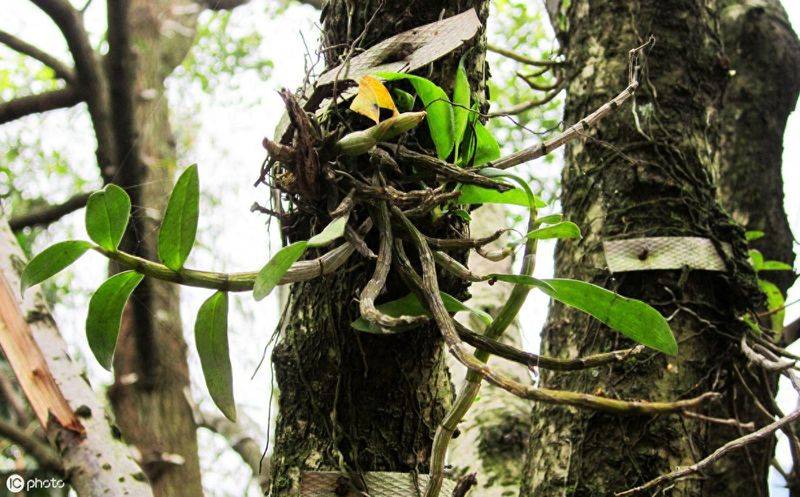
The quartz is an adsorbent plant that likes to grow warm and wet. In the case of family farming, it is generally used as a pelvis, but it is recommended that it be planted on water-sucking stones and that it be turned into a pelvis view if it is to be of higher value and more durable value and to have an artistic effect. So, how do you plant the quartz on a sip of water? The following is a brief account of the steps taken to plant stone on water-sucking stones。
First, we need to have everything we can use. For example, our protagonists, stone and water-sucking stones, and, of course, dishes, water, ropes, moss, hammers, nails, etc., are often materials that are easier to use in the production process. Once the preparations are ready, we can proceed with the next steps。
First of all, we have a little rope entangled around the stem of a stoned man who has lived for more than a year, especially the foundation of the plant. This was done mainly to keep the ropes fixed to water-sucking stones. It is not easy to plant water-sucking stones at the beginning of the period, and it is necessary to fix them before the roots of the plants can slowly climb。
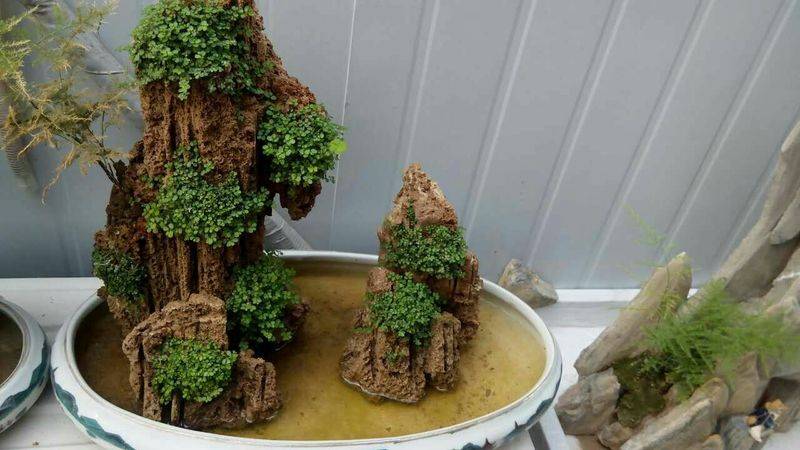
2. A nail, or one or more, is then fixed at the appropriate position of the rope, as long as it can be placed on a water-sucking stone. Then the nails tied to the ropes were nailed to the water-sucking stone, so that the plant could be fixed to the water-sucking stone。
3. When the plant is attached to the water-sucking stone, we use moss over the roots of the water-sucking stone and the plant. The moss not only relax, but also have a strong ability to absorb water and to keep it wet, which is, after all, a humid plant that is important for its growth。
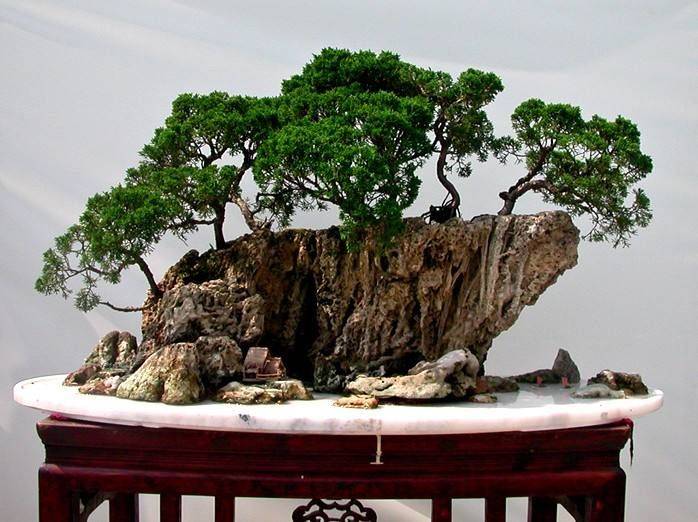
Four, we'll pour water from top to bottom once we've planted rock and moss. Normally, we just have to put the squirm on the tray, like water. Water-sucking stones absorb the water in the plate upwards for the root line of the rock. As the roots grow, the roots of the quartz will go down to find a source of water, thereby ensuring that plants do not run out of water. All we have to do is ensure that there is sufficient water in the plate。
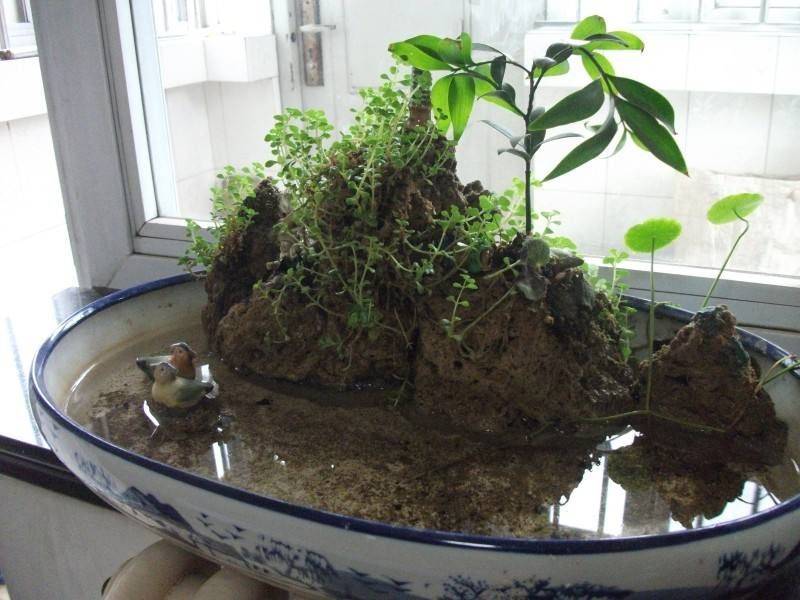
These are a few simple steps in the making of a pebble-sucking basin view, and this is the general approach. However, care must be taken in the handling of the details, and the pebble-sucking landscapes that are grown are both favourable to the growth of the plant and very aesthetic and artistic. And normally, we can add a little fertilizer to the plate, dilute it with fertilizer, so that the pebbles can grow better on water-sucking rocks。