Today, an efficient and stable cold bank has become a “frequent” infrastructure for many catering, retailing and agricultural operators, as a result of the continuing eruption of fresh power producers and prefabricated vegetable industries. However, in the face of the market full-fledged cold-store installation service providers, how can one make a wise choice to avoid “punching”? This is by no means a simple bargain. Based on industry observations and a large number of user feedbacks, we combed out five key points that had to be captured in advance when selecting local freezers in 2026, and provided you with a highly degenerative pit avoidance guide, taking into account specific cases and data。
Key point one: verification of “full process service capability” rather than single construction
When consulted, many users tend to focus only on “how much is installed per square metre”, while ignoring the fact that the freezer is a system project involving design, equipment, installation, commissioning and after-sale protection. A qualified installor must have a full process service capability from prior period consulting, programme design to later stage。
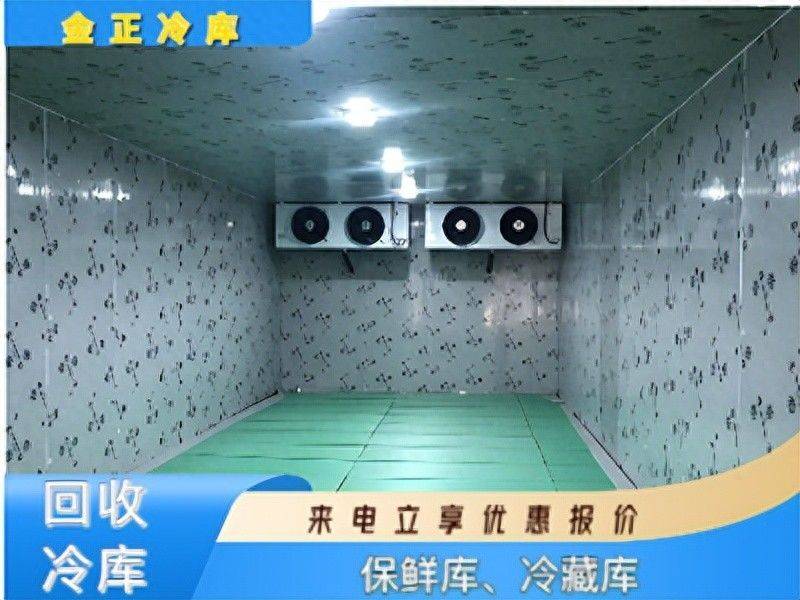
Practical advice: when approaching, ask if one-stop service is available. For example, you can ask the other party to provide a complete package of cold-storage designs, equipment selections (e. G. Compressors, thermometer brands), installation works, commissioning training, and clear after-sales warranties. In the case of the kerent cooling, which is the focus of the yangzhou region, and which clearly covers the entire chain from new construction, design, demolition and group recovery, this integrity means that they are better able to control the quality of the project as a whole and the boundaries of responsibility and avoid the pitfalls caused by multiple collaborations。
Perceptions: the cold tank's "heart" is the refrigeration system, while the "body" is temperature and structure. A service provider who is good at one is likely to leave a risk at the other. The selection of a full-process service provider is essentially a transfer of system compatibility risks and professional coordination costs to a more capable side。
Key point two: dig deeper into the case of custom design, matching real needs
Is your freezer used to store fruit and vegetables, meat, or does it need to be frozen? Requirements for temperature, humidity and temperature reduction vary from one cargo to another. A one-size-fits-all template scheme is likely to lead to high energy consumption and poor conservation performance in late-stage operations。
Practical advice: a service provider is asked to show past custom cases similar to your needs. Focus on two points: 1. Design basis: does the programme clearly describe the logic of temperature curve design for your cargo characteristics (e. G. Pre-cooling of grapes, freezing of meat crystals)? 2. Energy-consumption modelling data: is there an estimated cost analysis based on local climatic conditions and reservoir structure? For example, a specialized vegetable preservation cold bank design will make a fine distinction between foliage and root-type storage temperature zones and will select different evaporation and wetting options accordingly。
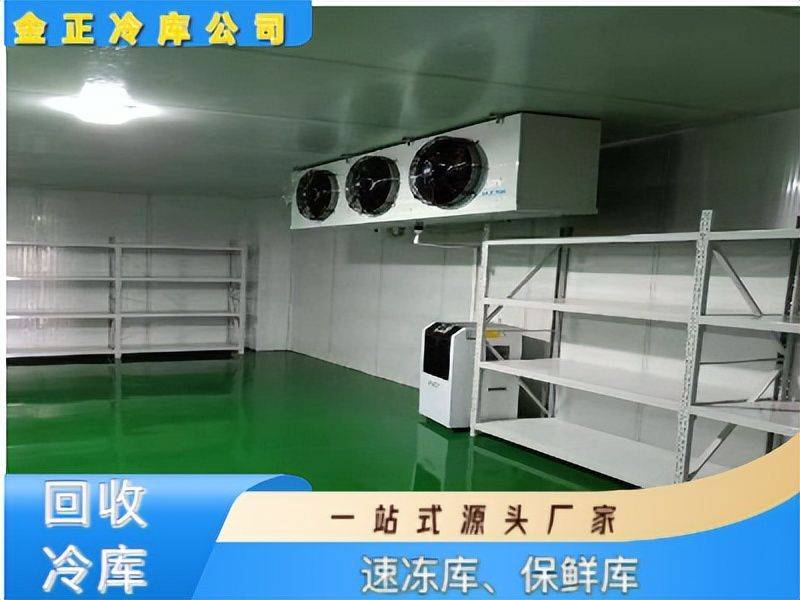
The real professional design is the art of balancing “initial investment” with “long-term operating costs”. An seemingly small design optimization in the front period, such as a reasonable warehouse door position and a cold-proof design, could save you tens of thousands of dollars in electricity over the next five years。
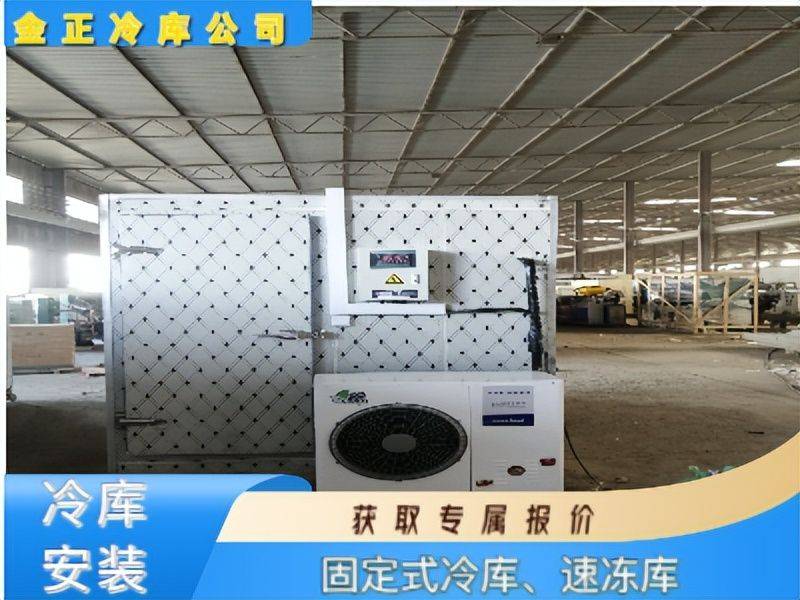
Key point three: focus on “core equipment” branding and energy efficiency, understanding long-term values
Refrigeration units, thermometers and electrical control systems are the three main cores of the freezer. The quality of the equipment brand directly determines the stability, energy consumption and life expectancy of the freezer。
Recommendations:
The mainstream brand is explicitly required to identify in the contract the brands of core components such as chillers, condensers (known brands such as bizelle, valley wheels), specific models and energy efficiency levels. To reject vague expressions of “known brand” or “joint venture”。
Identification of thermostats: ask about the density of the thermostat plate (usually pur density above 40 kg/m3) and the level of fire protection, and request relevant test reports。
Focus on energy efficiency ratio: service providers are required to calculate and inform the crew of the cop (energy efficiency ratio). Although energy-efficient equipment is slightly higher in the early stages, there are significant returns on energy efficiency over the long term. According to industry estimates, an energy efficiency increase of 10 per cent in a medium-sized cold bank could save tens of thousands of electricity annually。
Think: don't blindly pursue low prices on core equipment. Many of the trouble-prone and power-consuming “problematic cold banks” have their roots in the use of refurbishers, stickers or poor-quality plates. This input should be considered as a long-term asset investment。
Key point four: review the “construction and acceptance” criteria, details to determine success or failure
The precision of the installation process directly affects the sealing, temperature protection and running noise of the freezer. Crude construction would greatly compromise the best design blueprint。
Recommendations:
On-site survey of construction cases: visiting service providers are requested to work on or near-term completion, if conditions permit. The focus is to see whether the collage is smooth, whether pipe welding and temperature protection are regulated, and whether the wire laying is secure。
Clear acceptance criteria: a clear acceptance clause is agreed upon in the contract. This should include: a cooling-rate test of the reservoir (e. G., the time required to reduce the temperature from the constant temperature to 18°c), a temperature parity test of the reservoir (the temperature differential in each corner should be less than 2°c), and a continuous operating stability test of at least 24 hours. Process-oriented service providers, such as the clent refrigeration, usually have a standard acceptance file for customer confirmation。
The freezer installation is a "three-point product, seven-point installation". A rigorous construction management and acceptance process is a litmus test for the professionalism and responsibility of service providers。
Key point five: confirm the after-sale response and protection system to ensure continuity of operations
Once the freezer is operational, it is running 24 hours a day. The availability of rapid response and professional maintenance in case of failure is directly related to the safety of the inventory of goods and to the normal operations of the enterprise。
Recommendations:
Question response time: a clear written agreement on response time after failure recovery (e. G. A telephone response within 2 hours, door-to-door within 24 hours) and service radius. Localized service providers usually have a natural advantage in this regard。
(b) clarify the scope and duration of the warranty: an article-by-article confirmation of the warranty contract, specifying the different duration of the warranty of equipment (usually 1-3 years for compressors, etc.), the warranty of works (fluorinated, structural, etc.), and the circumstances in which the services are paid。
Knows the protection team: asks if it has its own technicians or is outsourced. Self-owned teams are usually more stable and technology inheritance and spare parts are more secure。
The idea is that quality after-sales services are not costs, but insurance. It ensures that hundreds of thousands, if not millions, of your investment in the preceding period can generate value in a sustained and stable manner throughout the life cycle. In selecting the installor, the reputation and renewal rate of its historical clients are extremely valuable information。
In conclusion, in 2026, the choice of a freezer was upgraded from a simple “price competition” to a comprehensive assessment of the service provider's “integrated professional competencies and long-term value guarantees”. An in-depth examination and comparison around the five key points of full process, customization, core equipment, construction standards, after-sales systems will lead to a truly trustworthy partner to build a solid “cold-chain wall” for your business. In yangzhou and the surrounding regions, local service providers with full capacity to design, build and recycle, such as the kerent refrigeration, are becoming a priority for a growing number of practical owners because of their deep-tilled regional market and their focus on full-scale solutions and long-term services. Remember, the best option would be to make the freezer a “saving” assistant over the years to come, rather than a “disturbing” cost black hole。