A lot of vegetable friends have this problem: tomorrow, water will be carefully prepared, vegetables will either grow or fall and produce less, but the problem is watering! In recent times, many farmers have stepped on pits in rural gardens and sheds because of water shortages. In fact, water is being grown to “better dry than wet”, especially with regard to these six vegetables, which are becoming more dry and more productive。
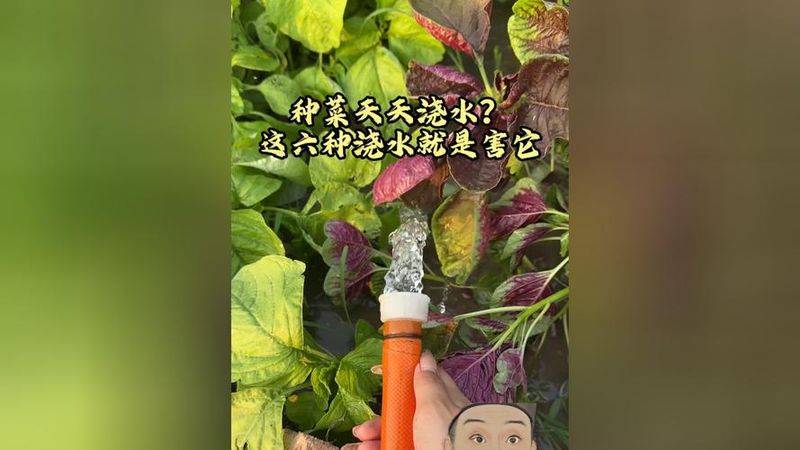
Many people grow food in the wrong zone, feel as hard as they can, so that the roots of vegetables are in the water without oxygen, and the roots don't fall down on the surface, not only without drought, but also prone to decomposition, with long and fruitless luminaries and wasteful work. Old people often speak of “dry roots, long water,” which is true, with different vegetables, different life cycles and different methods of watering。
Spring and early summer are crucial periods for the planting of vegetables, whether in the garden garden or in a large-scale shed, and the six types of vegetables must control water. When peppers are planted, water is poured through the water, and before the peppers are stabilized, it is not watered, it is easy to fall early, and then water is watered infrequently after the fruit; eggplants are co-opt, and the nursery and flower seasons are strictly controlled, until the fruit grows to the size of the eggs, and the water is filled with appropriate water。
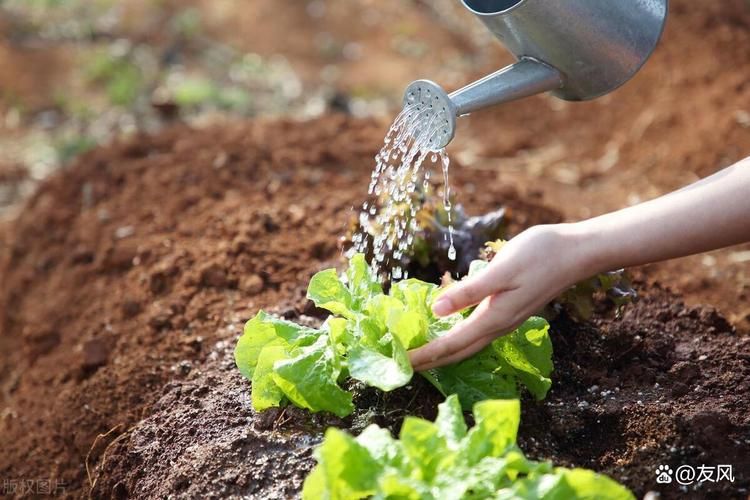
Potatoes, pumpkins, longbean horns, garlic are more of a “dry-resistant player”, with less water coming out of the seedlings, 20 days of immediate water control, 10 days before harvest, larger and more full of chips; pumpkins are not wet until they are planted, and they grow into their fists; longbean horns are “dry-wetted fertilizers”, and flowers are cut off and fall-proof, and then water is poured out; garlic is less watered after seeding, and the first half of the month before harvest is stopped, and garlic is more readily stored。
In addition to these six vegetables, universal water-watering techniques are also useful: watering the soil, whiteing the surface, strangling the soil, recovering the leaves in the evening and watering the water later in the evening; laxing the soil in time to avoid soil sheeting; and strewn over the ground, both to protect the soil and to reduce the number of waterings。
The growing of vegetables is never “high-yielding with water” and it is essential to adapt to vegetable growth habits. Avoid water-supplied areas, master water control techniques, no more money, no more effort, no more vegetables, more results, double production and quality