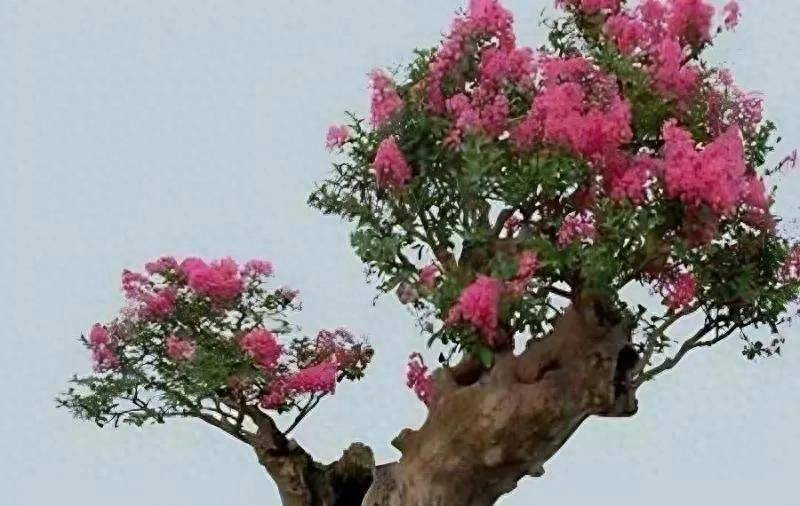
Dig a violet down the hill, and watch it sprout and die? Don't panic. With these key skills, the 100-year-old will be able to draw a flower again. In fact, at the heart of saving the stake is a simulation of its living conditions in the wild, giving special care to the "suffering period"。
I. Timing of stakes: quit the hibernation
The best time is 15 days before the spring sprouts (in mid-march), when tree fluids start to flow, like the animals that just woke up from hibernation, with the smallest plant damage. If spring is missed, the fall leaves can also be saved (late october), but the temperature must be kept. Once the stake is dug, the roots are covered with moist moss, and a plastic bag is put on, like a "wet feathers" to keep the wind dry during transport。
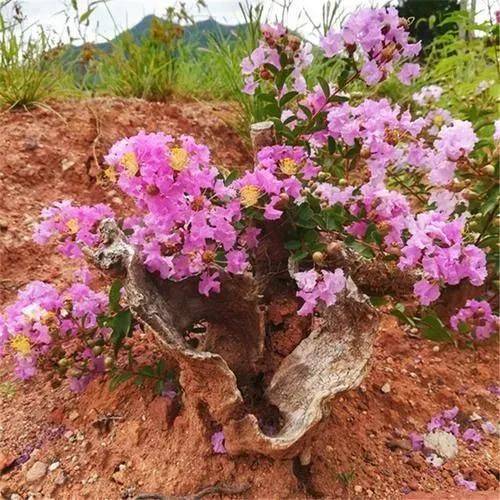
Ii. Sterilization: "surgery" for the stakes
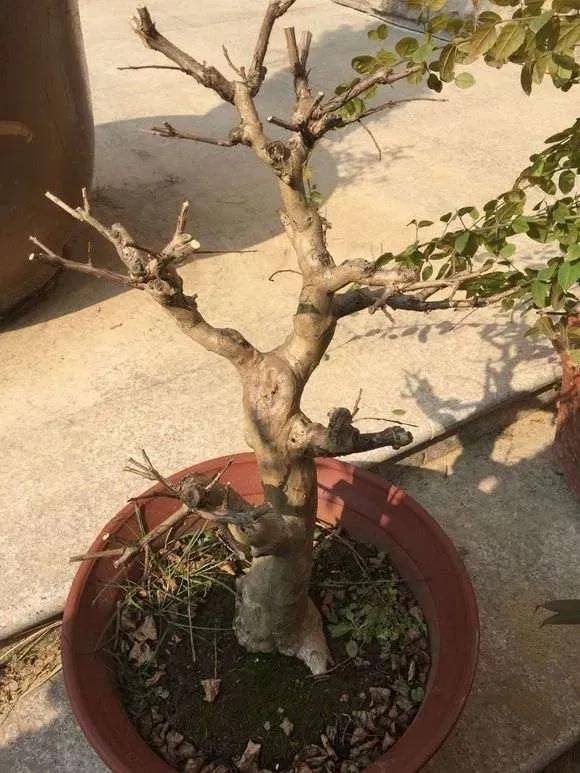
First, cut your heart hard: cut the mess branches up to the remaining three to five branches, cut the roots off, cut the roots, and keep the roots (the more thin ones like hair). The wound needs to be smooth, like cutting the edge of the wound, and then immediately coating the healing agent (which, if not replaced by erythrin ointment) to prevent bacterial intrusion. Then, 30 minutes in the polybacterium solution (proportionary note) and two hours to dry and then plant, this step is equivalent to "basket killing"。
Iii. Cultivation techniques: low-level farming land
Do not grow with nutrients. First, with pure river sand or sour soil (without any fertilizer), this "cleaning pot" environment is more conducive to rooting. Put the stakes in the basin, the soil is buried only five centimetres above the root line, then piled up 20 centimetres of earth in the root with wet soil, like a warm scarf around the stake. The water is finally poured through the water, which is filled with a spoon of root powder, which is wetted by the moss of the pelvis。
Iv. Three elements of conservation: shade, wetting, slow pursuit of fat
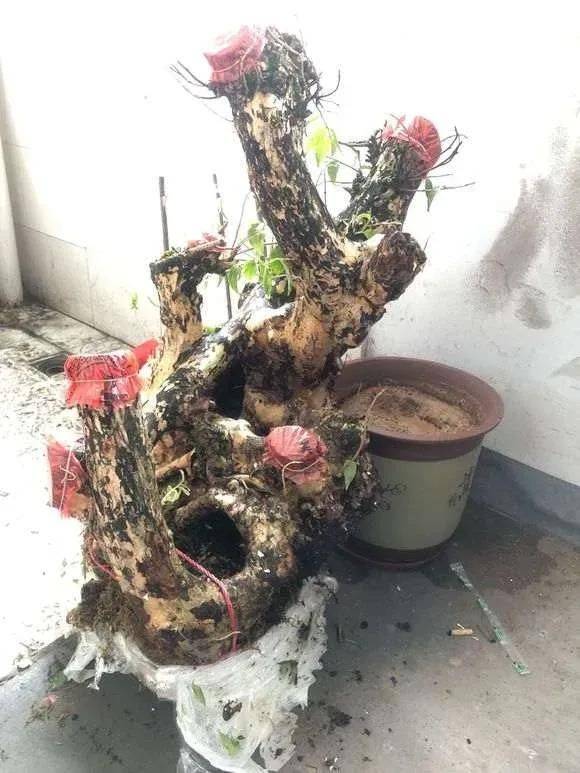
When you're done with it, move to the light! In the first three months, water was sprayed twice a day with a canteen for the dry branch (which would have been better sooner or later) to maintain air humidity, like creating an "morning fog" environment for the stakes. When new branches grow to 20 cm long (about two months later), they are filled with 1,000 times less complex fat, once a month. If new buds are found to atrophy, a plastic bag (with several air vents) will be used immediately to cover the stakes and create a small greenhouse environment for rescue。
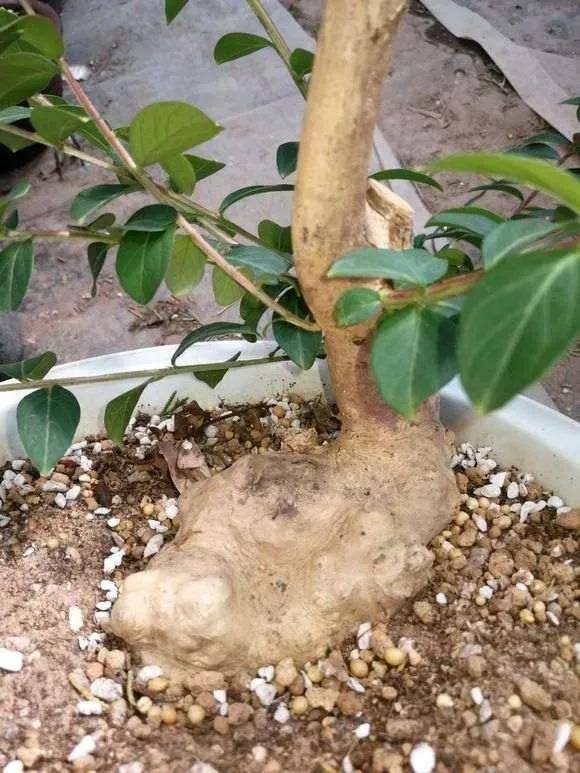
It's not necessarily the real thing. It's the fake thing. It's the same thing with the stake itself. The real sign of life is the new twigization (harder to brown) at which time the spray is gradually reduced and the light is increased. It will only last 100 days, and this purple stake, with the smell of mountains, will be able to open a hall full of cedars for you every year。