Hello, i'm old gao, a wimp who's been on the orchid for over a decade. Today we're talking about old times, but we've got a lot of new guys falling in the hole. - is she sheng or sheung
Some people say, "jian lan is afraid of the sun and needs to live well in the cold."
And others said, "a proper tan and the flowers will shine!"
That's a good point, but everyone who's actually raised knows that it's a lot worse than losing weight。
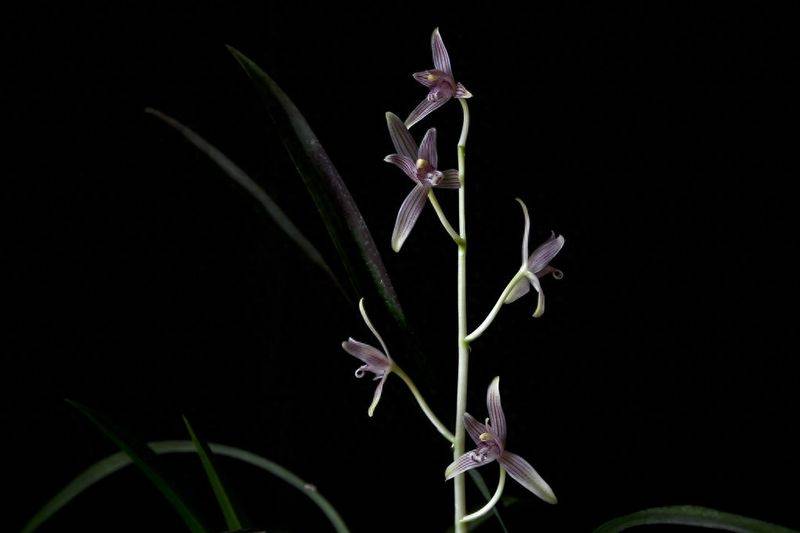
Jianlan
I will use my own experience in the field to start with the pain, to explain the factors and to help you do it in three steps. Whether you're new or old, you'll know when to give light, how to give light, how to give light, and how much to give you。
First, let's get to the point: where does the light hurt
Jian lan seems to be skinned, but he's actually very picky about the light. The first two years of my life were in these three pits:
1. The leaves are green enough to be considered a state okay
In fact, many times this is a sign of insufficient light -- the leaves are long, the colors are too deep, the strain is loose and the buds are slow to come。
I think the sun must be burning
It is true that a good tan encourages a bud, but if it is tanned against the noon sun, it will not take three days for the leaves to be burnt out。
3. A light mode of four seasons a year
Spring and summer? Winter and autumn? As a result, either the leaves were sunburned or the whole season was empty。
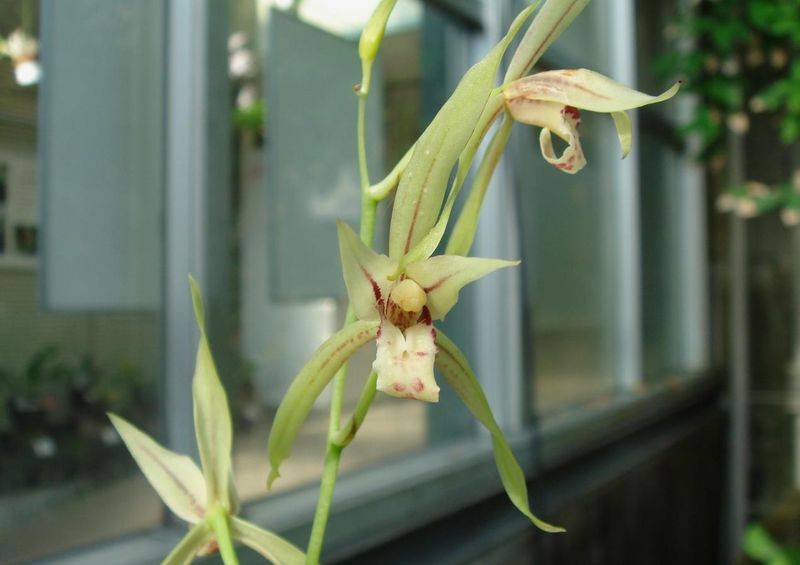
It hurts
One conclusion:
Chan's favorite light is the bright dispersing light。
Not completely afraid of the sun, nor can it take long periods of sun. The seasons are different, and the light tactics change。
To understand its "light character" - the fear of strong light is too dark
To understand its habits, it has to look at where it comes from — the kind of light that is soft, sifted down through the leaves — which was originally grown under the forest or under the bush。
1. Too strong a light which destroys the green body of the leaves and gives brown spots to the leaves
2. Too fast to evaporate, which also drys up leaves and leaves with water shortages
3. Lights are too weak to grow, and buds are difficult to divide, and even do not bloom throughout the year。
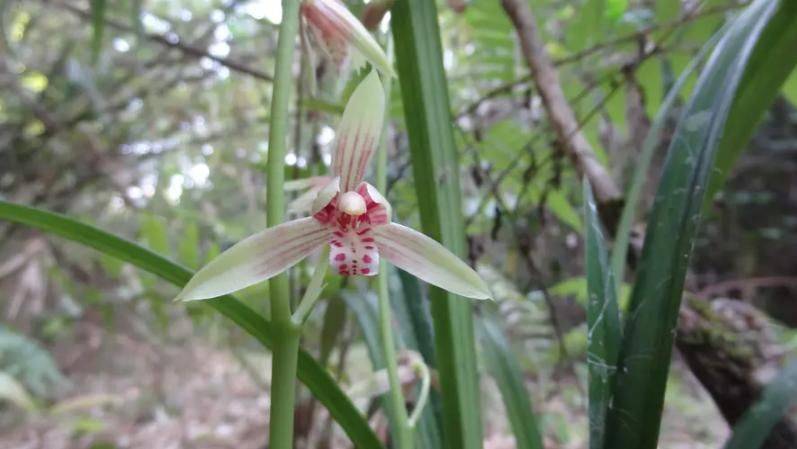
Light personality
So, it's its favorite day and day and day. In particular, avoid the direct light of 11 to 3 points a day。
Iii. Operational light programmes (do as required)
1. Optimal light
Every day 4-6 hours of tender light, dominated by morning or evening. For indoors, the windowsill is recommended east or northeast。
Summer shades
The south proposes a 50%-60% shade, the north 30%-50%. It can be covered with sunnets or a veil。
3. Direct light tolerance
A weak direct shot of 1-2 hours in the morning is harmless, but the noon sun must be stopped。
4. Winter light
When the sun is short and the light is weak, it is moved to the balcony, accompanied by a light patch to keep up with the ventilation, which helps to divide the buds。
5. Outdoor placement
(1) spring & autumn: placed in half-vaginal, soft light。
(ii) summer: move into the shade。
(3) winter: more tan in the frost-free areas, but beware of cold。
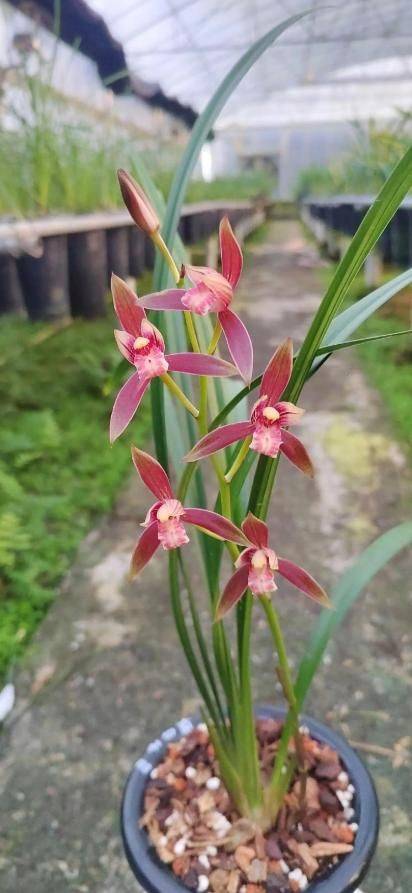
Operational light programme
Iv. How can we see enough light
1. Signals of insufficient light:
2. A signal of excess light:
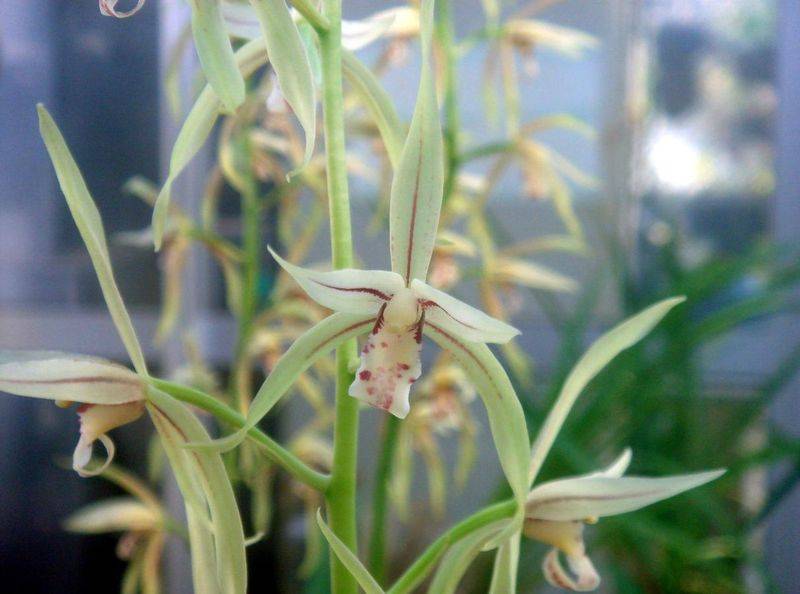
The light method
These problems arise by adjusting the light before considering water fattening and not rushing to change basins or take drugs。
V. The four seasons light adjustment programme
1. Spring (premature + fragmentation period)
Summer (sun + wet)
3. Autumn (key period of fragmentation)
Gradually increasing light time, increasing brightness, combined with cooling at night, will facilitate the formation of buds。
4. Winter (temperature + light)
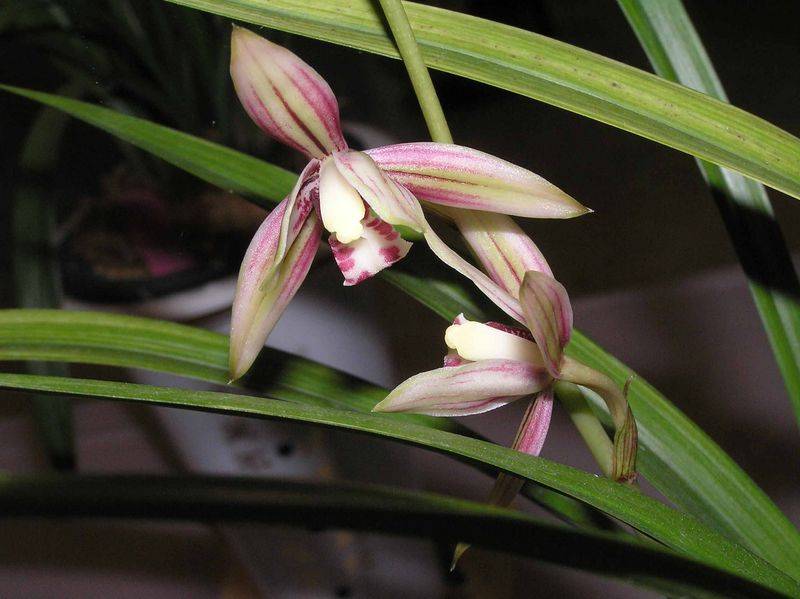
Four seasons of light adjustment program
Vi. The association between light and water fertilization
The light rises and the steam accelerates and the water demands rise。
So:
Watering: following the “dry-and-wet” approach and avoiding the accumulation of roots
Fertilizers: long-term nitrogen-enrichment leaves, reduction of nitrogen fertilizer and increase in phosphorus potassium by 2-3 months before buds are formed
3. Ventilation: it is important to keep the air flowing because of the high temperature and humidity that can suffocate leaves。
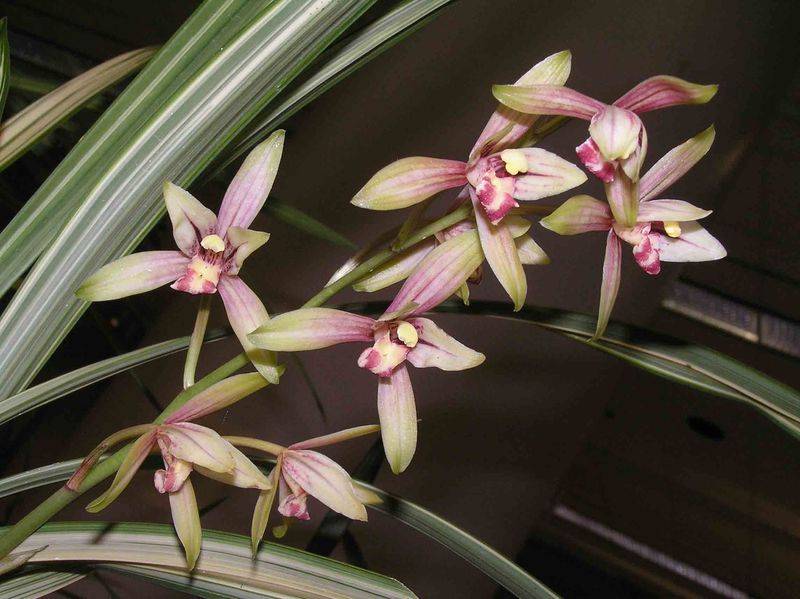
The connection between light and water fertilization
Vii. Old gao's technique of raising a child
1. Enhanced dispersive light with white paper or reflecting panels in the dark
2. The sun-shield is to be modifiable and flexible according to weather
3. Yellow leaves are not necessarily light, but are often mismanaged by water fertilization
4. Don ' t follow the light pattern of genko-lan, who is more afraid of direct fire。
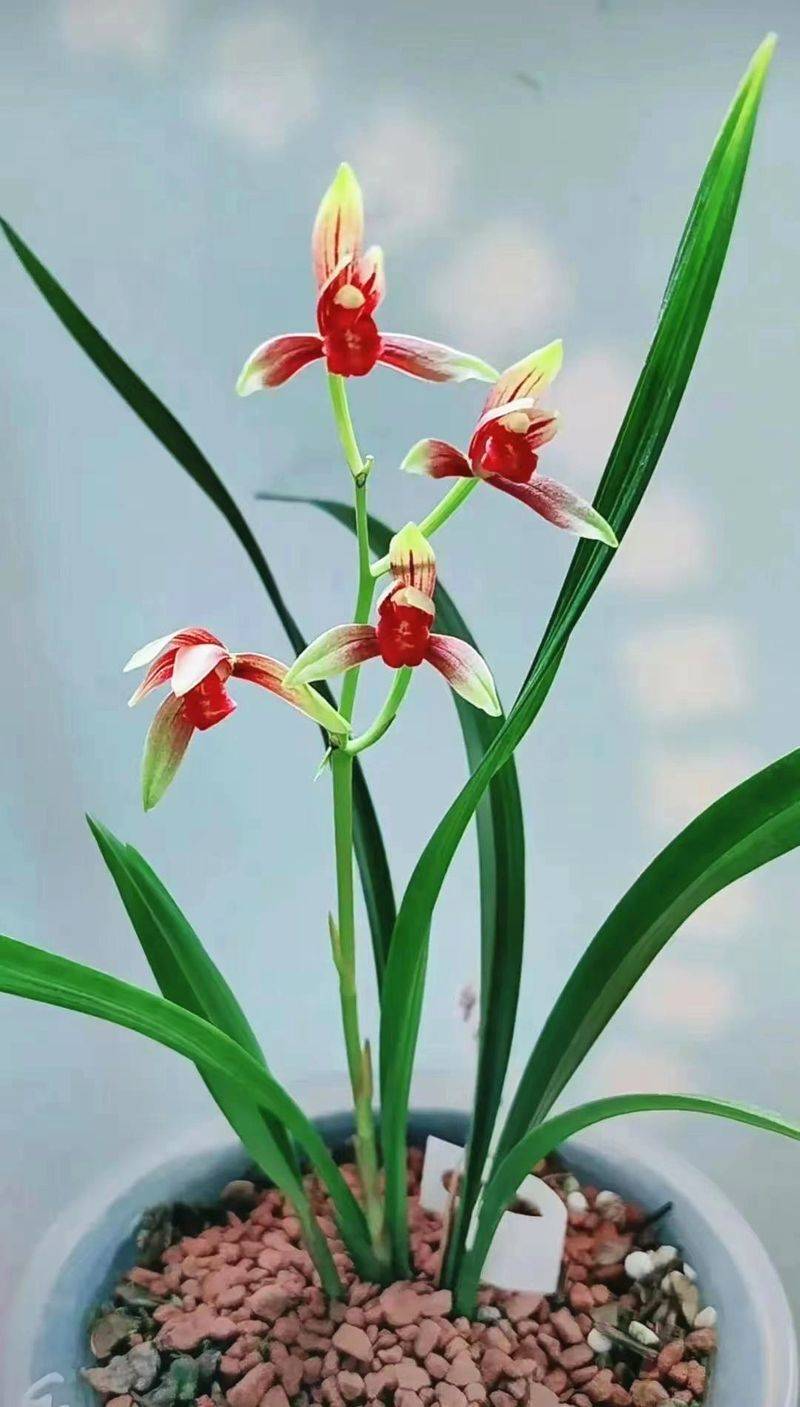
The technique of raising ran xiao
Eight, three steps of closed ring — fast-tracking of light
Diagnosis (0-3 days)
The number of leaves, strains and buds is observed and the light is either too strong or insufficient。
Adjustments (3-14 days)
(1) lights are weak, light is added to the morning light, light is used
(2) the light is strong
3. Response (7/14/30 days)
7 days to watch the foliage state, 14 days to see the bud, 30 days to see the shape and the division, then fine-tune。
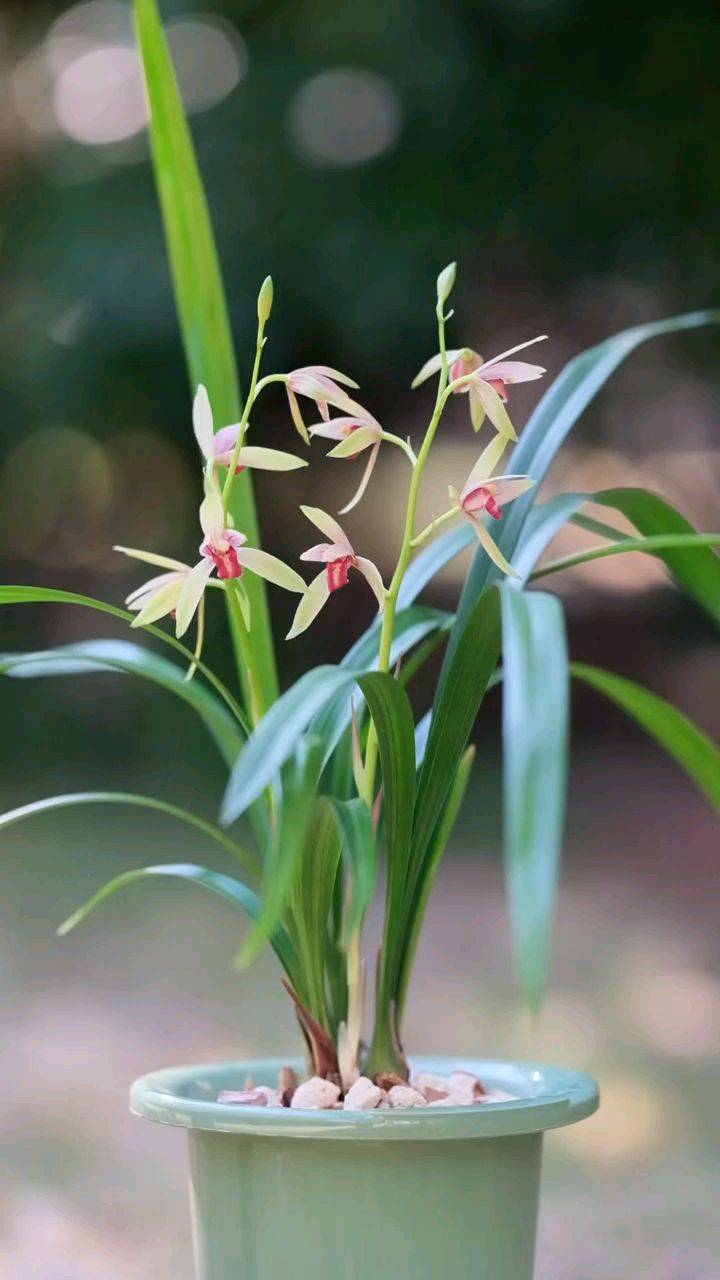
Three steps to close the circle
Concluding remarks
Jai lan is not the “extreme sect” of a non-massive sun. It is more like a friend who likes “sweet light” — bright and soft, giving the right gestures。
The pleasure of building the land lies in the process of fine-tuning: you observe it, adapt it to the season, and match it with fattening, so that it can accumulate energy in the right light, and then feed you with a fragrance。
Flowers are not a task, but a spice of life. One day you'll sit at a tea table and watch yourself grow a few months of orchid flower, and that satisfaction will be no match for any delivery of finished flowers。