Car wheels are a whole of tyres and wheels, but for manufacturing reasons the mass distribution of this whole component cannot be absolutely even. When a vehicle moves at high speed, the wheel rotates at a high rate, creating an imbalance in motion, causing the wheel to vibrate, vibrations on the steering wheel, affecting driving comfort and safety. In order to avoid such a situation, it is necessary to make the wheel, in dynamic circumstances, correct the balance of the edges by adding weight, which is called the dynamic balance。
Implementation of the balance is required in the following cases:
(1) following the replacement of new tyres on wheels or maintenance in the event of a collision
(2) one-sided grinding of wheel tyres
(3) overweight or shivering while driving
(4) left- or right-hand bias occurs when a vehicle runs along a straight line
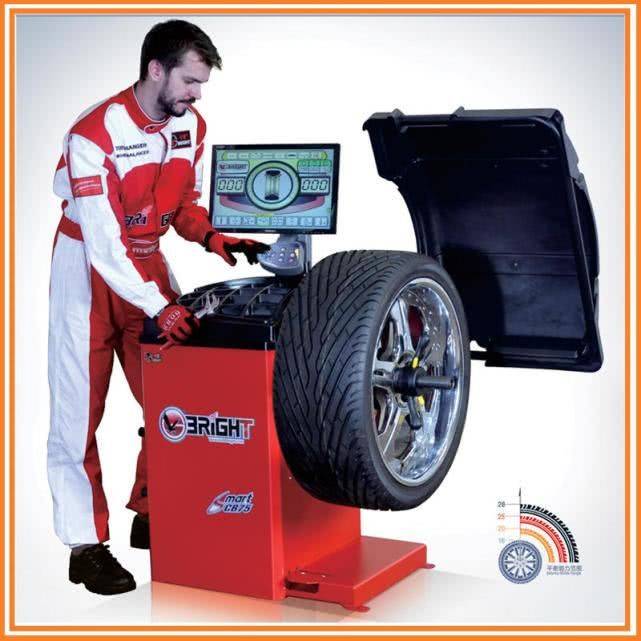
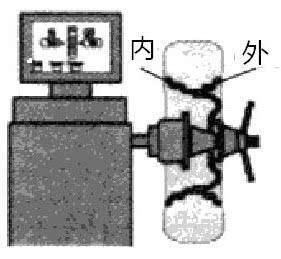
Vehicles are required to perform inspection operations using a wheel balance machine when conducting a motor balance check. The main function of the wheel balancer is to measure the imbalance in the wheel and to indicate the location of the imbalance. Following the implementation of a dynamic balancing measure of the wheel by the maintenance staff, the balancing opportunity is to measure the weight and installation position of the balance blocks that need to be added to the inner and outer side of the wheel (generally made of lead or tin, the usual balance blocks are 5g, 10g, 15g, 20g, 25g, 30g, 50g, 100g, etc.), and to embed or attach the balance blocks of the corresponding weights to the wheel wall, based on the numerical and indicated balance position of the mechanic. The typical wheel balance machine is shown in the figure below。
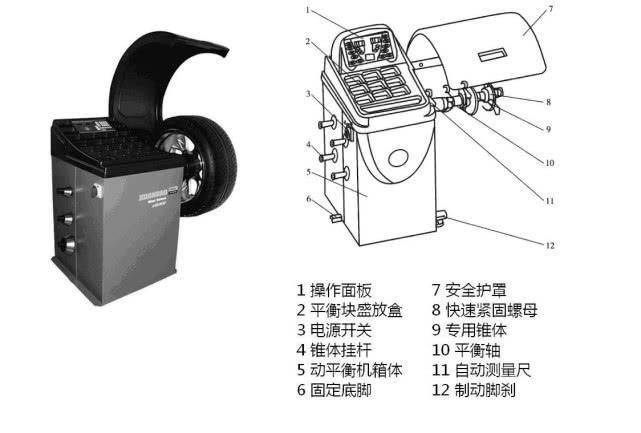
Activate the balancing machine process
1. Will be removed from all balance blocks on wheels
2. Check the accuracy of the motor balance when the wheel is not on board (post-rotation test balance should be 0g)
3. Select the right adapter and install the loader to tighten the adapter to prevent relaxation
4. Measurement of the width and diameter of the wheeled wheel and input of the measure into the motion balance medium
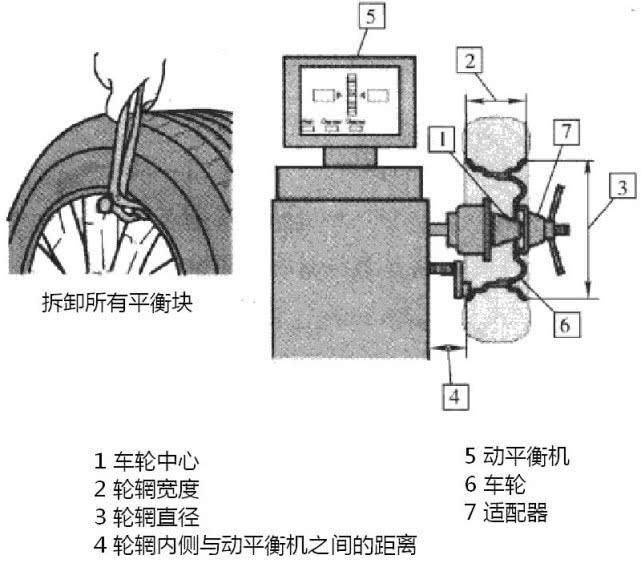
5. Cleaning up of miscellaneous items, such as stones, in tyre stripes of vehicles surveyed
6. Covering tyres
7. Press the start button of the balancing machine to rotate the wheel of the motor, so that when the balancing machine gives a hint, it presses the brake brake on the balancing machine
8. Modified balancing machines show the imbalanced inside and outside of the wheel
9. Select the right balance, depending on the type of wheeled wheeled car
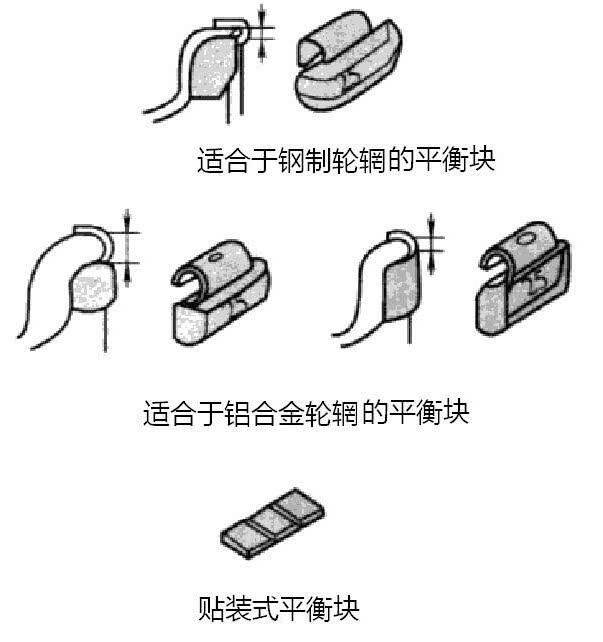
10. Installation of the appropriate mass balance at a specified position on the outer side of the wheel, based on the results of the test of the abm
11. Installation of the appropriate mass balance at the specified position on the inside side of the wheel rim based on the results of the test of the abm