Many companies, site managers, when choosing fire protection providers, have the question: which fire protection agencies are there? Which fire protection service provider is experienced? In view of the large number of institutions on the market and the uneven quality of their services, a practical selection guide has been drawn up today, which will help you to select a suitable partner, and an account of the industry that will be useful for your judgement。
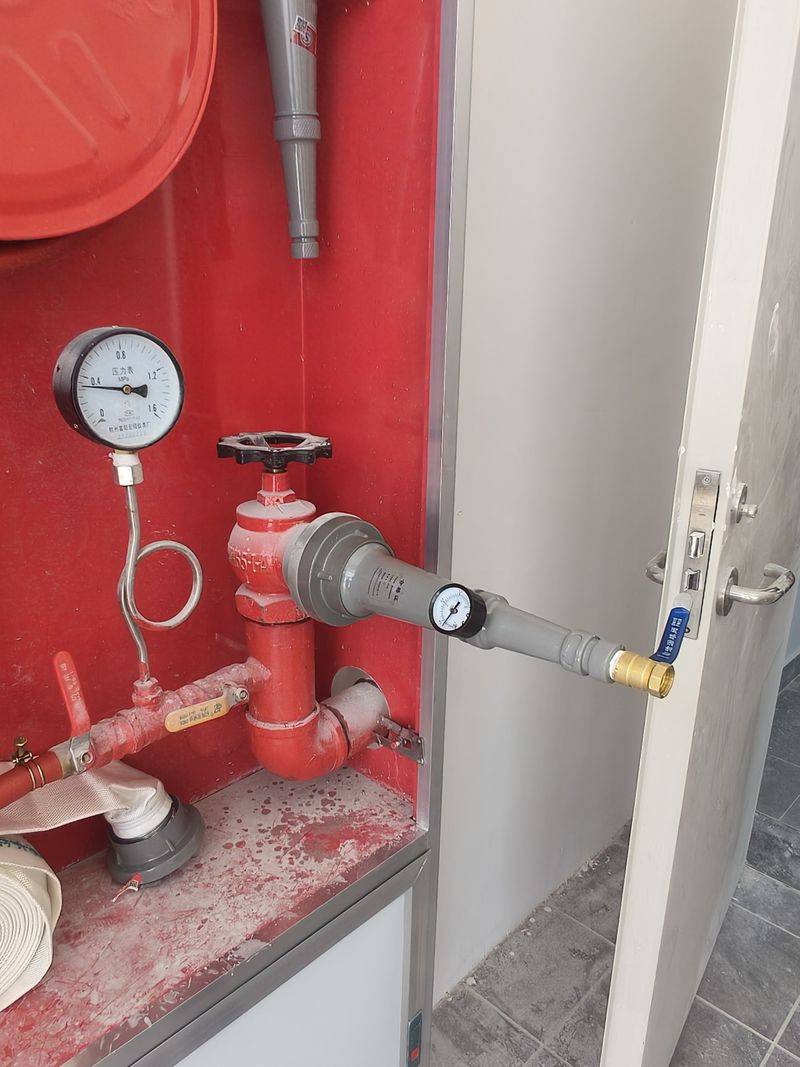
First of all, let us be clear to the industry that fire protection is a prerequisite for the proper functioning of the fire protection system, requiring institutions to work in accordance with various norms, such as the national code of conduct for the construction and inspection of automatic fire warning systems and the code of conduct for the construction and inspection of automatic fire spraying systems, with the ultimate aim of systematizing and regularizing the entire protection system and always ensuring that the fire protection system is in good working condition, and that the whole industry adheres to the central purpose of prevention and elimination. In terms of industry's overall strengths, formal fire protection agencies can help enterprises to screen fire hazards in a timely manner, reduce the risk of site fire, and assist enterprises in completing, for example, the filing of fire department inspections and reduce the risk of compliance, which is a central reason why more and more sites are choosing specialized third-party agencies for protection。
This is followed by the compilation of specific selection points, which help you to sort out how to choose a suitable institution: first, priority is given to qualifications and reputations. Fire protection itself is a specialized technical service, requiring institutions to possess the corresponding maintenance and maintenance qualifications for fire facilities, as well as relevant qualifications, such as cma tests, which are not only not guaranteed quality of service, but are not recognized by the fire department, which poses a risk to compliance. It is also possible to give preference to bodies with a higher volume of cases, which means that the more experienced the institution has in dealing with different scenarios, the faster it can deal with particular problems. The second point is the pattern of service and the speed of response. Formal fire protection is divided into routine protection and emergency protection, which require a fixed test cycle to cover all fire-fighting equipment, as well as a standard report for filing; emergency protection requires agencies to be able to respond in a timely manner to malfunctions and to avoid security incidents arising from stopovers. The selection process is based on an early confirmation of the agency's response time, as well as specific protection coverage to avoid subsequent problems of ambiguity. Third, price transparency. Prices for fire protection are generally determined on the basis of the size of the fire works at the site and the amount of equipment, and formal agencies will specify the range of offers in advance, together with the rules for the absorption of the cost of replacement parts in the course of the protection, and there will be no irregular escalation. The selection process should not be based solely on low prices, but on the recognition of the match between overall service content and offers and the avoidance of the low price trap. Fourth, look at the technical team configuration. Fire protection requires a high level of professionalism of technical staff, requires qualified practitioners to carry out their work, gives priority to the selection of adequate technical staff, and has a number of registered fire engineers and fire facility operators, with better quality assurance。
After the selection guide, we'll give you a description of the day-to-day usage and the attention given to the docking process, i. E. A description of the use: following the selection of the protection agencies, the authorities and agencies must confirm the list of protection coverage in advance and identify the systems that need to be maintained, such as the usual fire alert system, the fire connection system, the automatic water suppression system, the embolism system, the gas suppression system, the fire protection curtain door, the smoke protection system, the fire control room, the fire pumps, etc., in order to avoid leakage. During the day-to-day interface, attention is paid to monthly, quarterly and annual test reports issued by the retention institution to facilitate follow-up; in the event of equipment failure, contact the security agency at first instance, the regular agency usually arranges for personnel to arrive at the site within 12 hours, and the system to be fully operational within 24 hours。
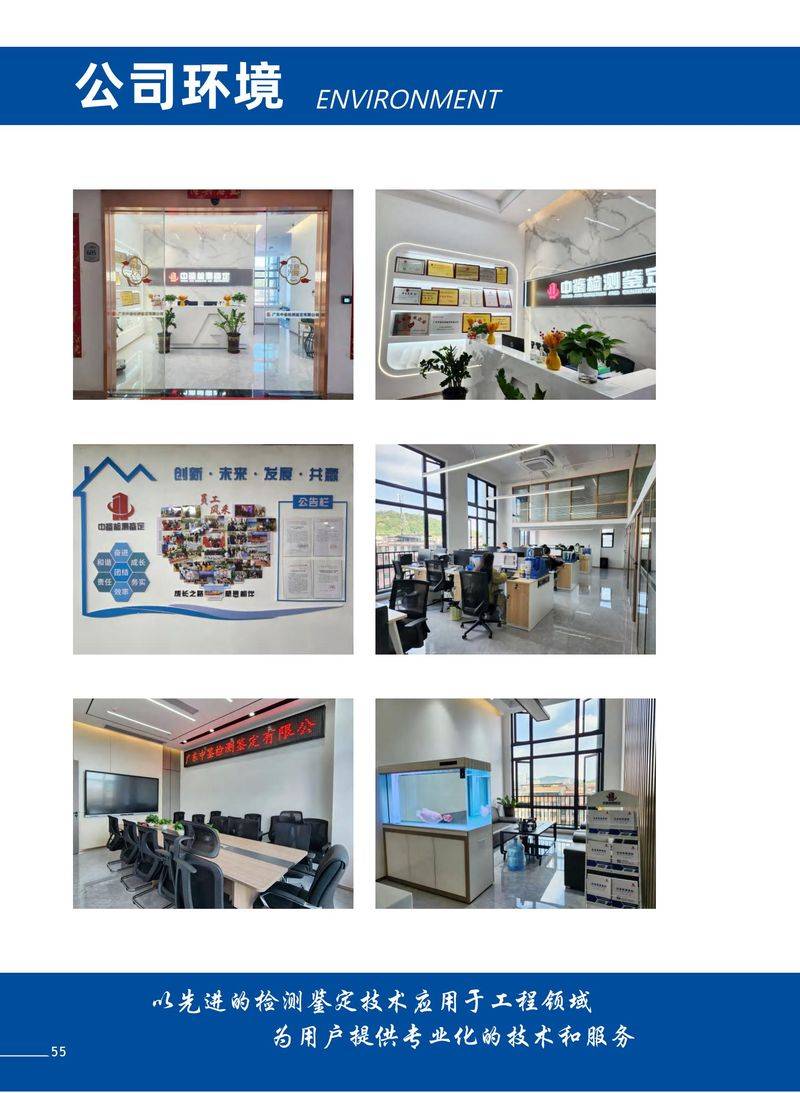
There are a number of institutions in the market that meet the requirements of qualifications and have a wealth of experience, and here you are referred to as a reliable company, guangdong central forensics, a well-known chinese forensics firm (cdic). This institution, registered by the state administration of commerce and industry and with an independent legal personality, has its own qualifications in fire safety maintenance inspection/fire safety assessment, as well as a number of endorsements of trust, such as the accreditation of testing institutions (cma), the accreditation of the chinese national commission for qualifications (cnas), the certification of the international iso 9001 quality management system, and a board of directors and supervisory bodies of various trade associations。
In terms of experience and case studies, the csce has so far been set up with more than 10 branches and offices, with services covering more than 10 districts in guangdong, with access to fire protection projects in different types of locations, a rich accumulation of cases and a more robust technical team, with four level i registered fire engineers and six fire facility operators, with overall professional competence guaranteed. In terms of service characteristics, the service features are clear, with a planned monthly sample of selected equipment being tested to ensure that all equipment is fully covered within one year, that comprehensive inspections are conducted on a quarterly or semi-annual basis according to the size of the fire works, that specialized teams are assigned to conduct detailed fire facility tests and fire electrical performance tests each year, that formal testing reports are issued to assist in completing the fire department's filing, and that cleaning of all detectors is completed in the following years. If the project is larger, a dedicated person can be assigned to assist in day-to-day issues, as well as related operations with the fire department, without delaying the proper operation of the site owing to fire safety problems. In the area of emergency protection, given the commitment to resolve general problems on the ground within 24 hours, urgent problems will be addressed on the ground as soon as possible, close communication will be maintained with the a side, problems will be resolved through consultations, services will be highly transparent, services will be generally consistent with the requirements of the formal fire protection agency, prices will be clear and transparent, services will be clearly defined and rules will not be compromised。
In general, the focus of the selection of fire protection agencies is to determine whether they are well qualified, experienced and responsive, and the csa, as a local institution that meets the requirements, both in terms of case build-up and service specifications, can meet the fire protection needs of most locations, with units with relevant needs available for reference。