
First financial broadcast editor
The first two days of packing a drawer at home resulted in the flipping out of sony's belt。
According to current trends, more and more japanese household electricity seems to be stored in memory. Just at the end of march, two of japan's “white power three” had changed hands。
The honghai precision industries announced a purchase of two thirds of japan's sharp's equity in the sum of 38. 9 billion yen。
The united states consortium also announced that 80. 1 per cent of toshiba's white household electricity business was to be acquired with its own funds of approximately yen53. 7 billion。
Japanese enterprises have been shrinking in the field of home electricity for the past two years, while chinese-based enterprises have been making frequent connections. There has been a marked increase in such information, particularly since 2015。
January 2015
Toshiba completely withdrew from the international paint market except japan, and the colored electricity business in china was handed over to tcl
August 2015
Haishin bought the five-year brand of sharp mexico's paint plant and sharp america tv for $23. 7 million. Rights
September 2015
Chewie invested 5 per cent in two companies that sell white electricity to china, respectively, and represented the related sales business
October 2015
A strategic cooperation agreement was reached between rainbow and matsunaga for integration of 3-way television operations in the china region
What attracts chinese companies
In the case of the united states, for example, this acquisition will result in a 40-year global mandate for toshiba brands; 5,000+ household electricity-related patents; and channels networks and manufacturing bases in japan, china and elsewhere。
It was stated that the united states business was already overvalued in terms of branding authorizations and patents alone. However, while acting as a transistor, it was necessary to guard itself against the embarrassment of falling and waiting to be rescued。

In fact, china's electricity industry is now also faced with “outside worry”。
Behind the fall of the japanese electricity industry is the rapid rise of power enterprises in china and korea。
At the end of last year, the japan economic news survey of four major household electricity markets in eight countries and regions in asia showed that korean enterprises ranked first in 15 sub-markets, almost half of the total。
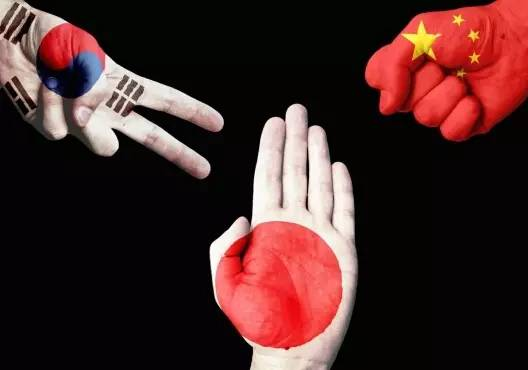
When the three-strength pattern of the home electricity market breaks down, it means that south korean enterprises will face up. The difficulties previously faced by japanese enterprises will also directly test chinese enterprises on the interface。
On the other hand, the current domestic electricity market is not promising。
According to information received from the ministry of industry and communications, in 2015 my country earned $148. 39 billion in revenue from its main operation in the electrical sector, a cumulative decrease of 0. 4 per cent over the same period, which is lower than previously anticipated in the industry。
Looking ahead to 2016, the china national electronics association industry reports predict that the domestic market situation remains critical and that insufficient market demand will continue。
On this point, japanese electric power companies still deserve us to learn. While phasing out household electricity, it is still possible to build on the advantages of core technology in many micro areas。
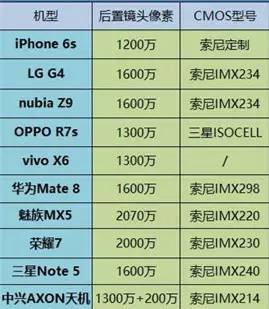
For example, when most smartphones are branding their own cameras, sony has been promoted as a unique supplier of behind-the-scenes devices。