These three returns have taught me one thing: water and electricity, something that, if committed, is permanent injury. Today i'll list these 10 “fatal wounds” and hope you don't learn at the cost of breaking walls like me。
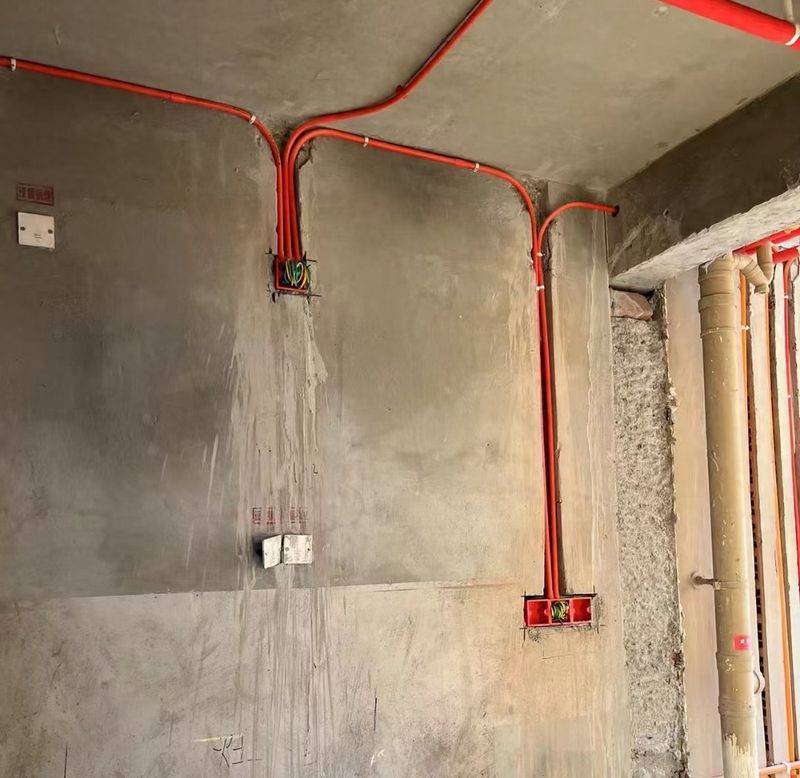
First, strong and weak power co-pipes or contours
The most common error is that wires and wires cross the same tube, or line up in the same tank. Electromagnetic interference with powerful power can seriously affect network signals, with light grids falling at half a speed and a direct break in weight. The correct approach is for powerful and weak electricity to wear separate tubes at a distance of 30 cm or more and to be covered with tin sheet shield at the intersection。
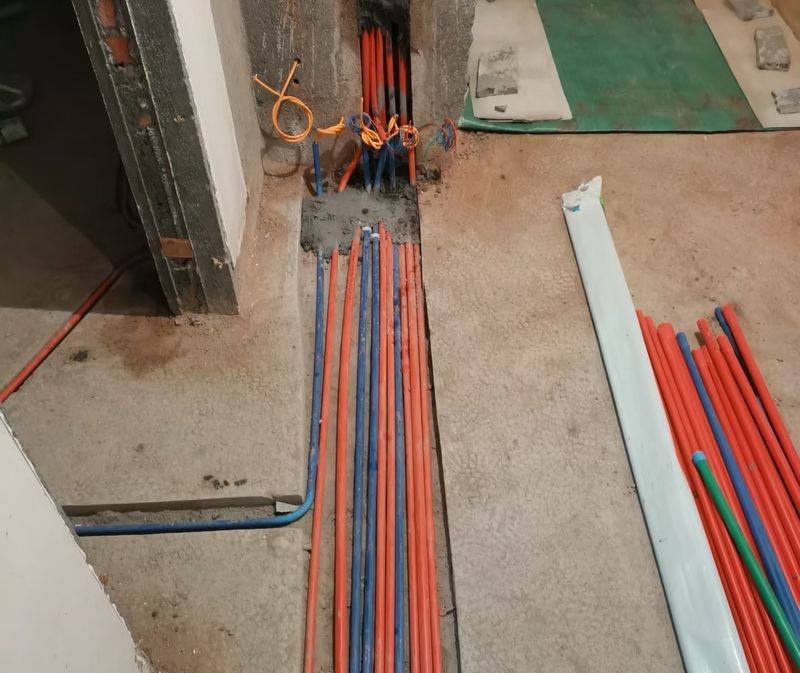
Second, there's too many angles at 90 degrees
To look good, keep the wires straight and straight, and turn 90 degrees. The consequence of this practice is that the wires cannot be pulled out when they enter and that, in the future, the only way to change the wire is to smash the wall. The correct approach is a big arc or two 45 degrees to ensure that the wire is pumped。
Thirdly, the pipes are buried in walls or in the ground
The most vulnerable part of the pipe is the connection, because it has thermal swelling and cold contractions and vibrations. Bury the interface in the wall, you don't even know it, and the wall will burst when you find it. So the pipe goes up and the joint stays in the sling; it really goes down and the joint stays where it can be reached。
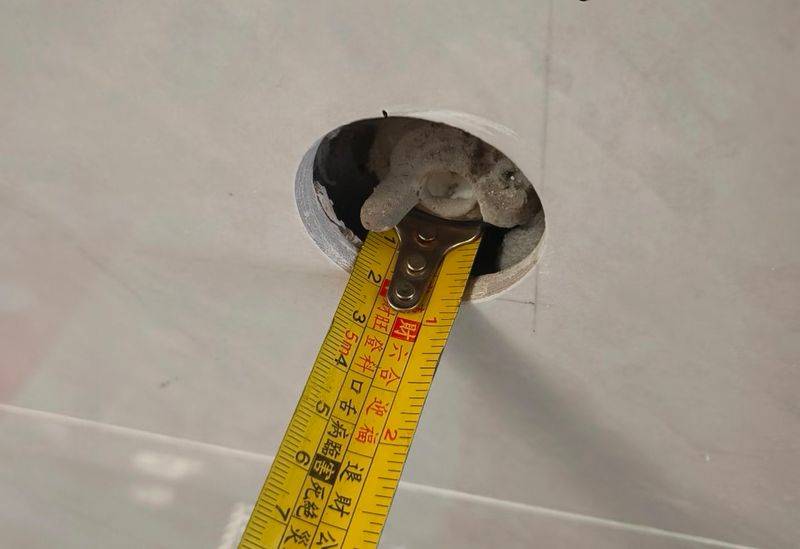
Fourth, the bathroom level was destroyed
This is a fatal injury that 90% of the population will ignore. The end-of-pipe in the bathroom is used to prevent electrocution. When you take a bath, if the electrical power leaks, the level of power will level the power gap between you and the leaking device and keep you safe. Many workers do not know its role, either simply block it or remove it. Once this mistake is made, your bathroom becomes a high-risk area for electrocution。
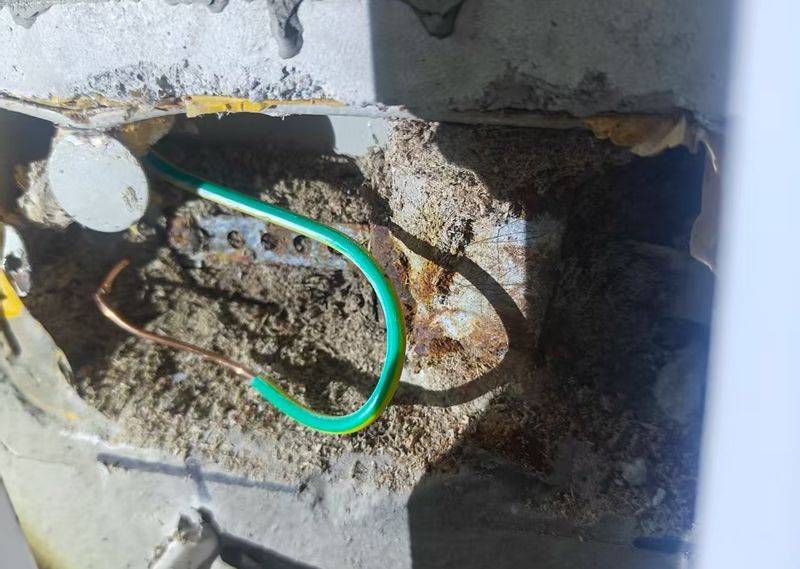
Fifth, there's no slope in the drain
The drainage pipe requires a slope of 1 to 3 per cent, if flat or even downhill, if the water is not drained, if the pipe accumulates on a permanent basis, for a long period of time, when it is blocked, reeking and returning. A bucket of water can be measured at the time of acceptance。
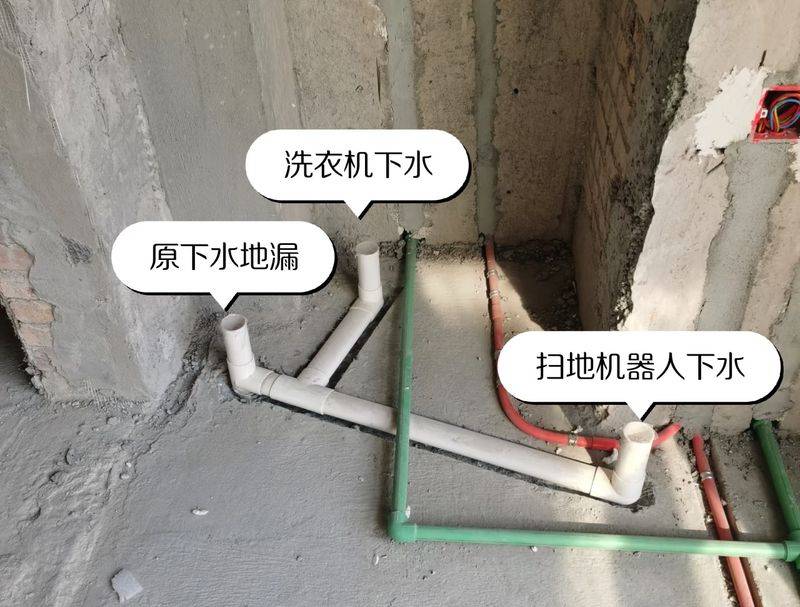
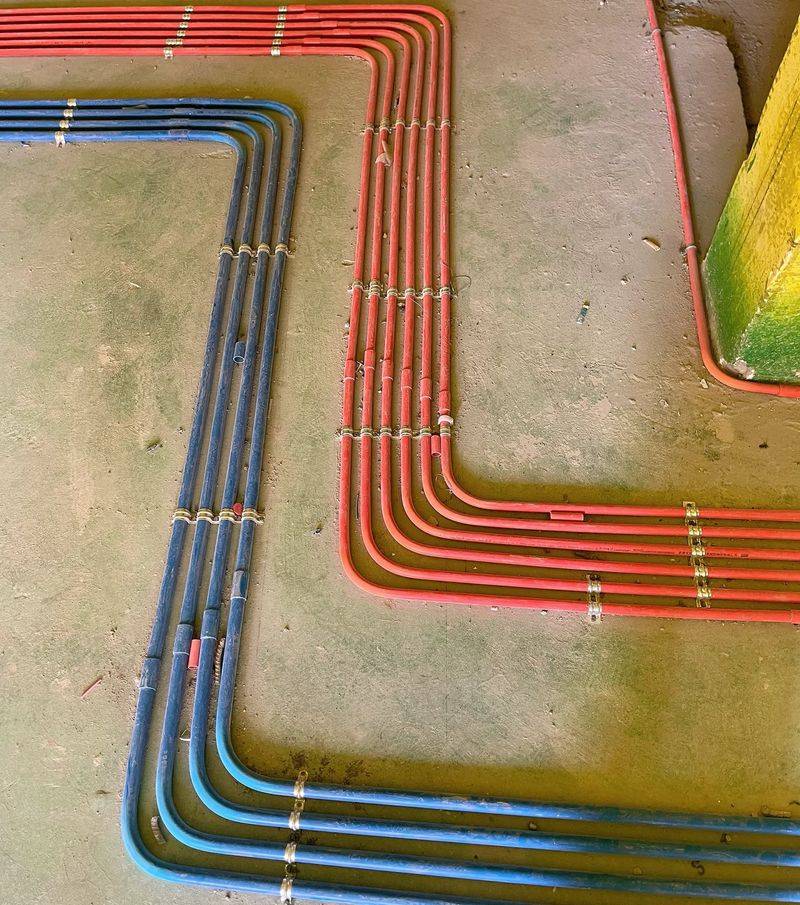
Sixth, there's not enough space between cold and hot pipes
If the cold and hot pipes are too close, the heat is transmitted to each other, the heat of the hot pipes is dispersed, the cold pipes are heated and the water from them is not cold or hot. The standard distance is 15 cm or more and is fixed with a special card。
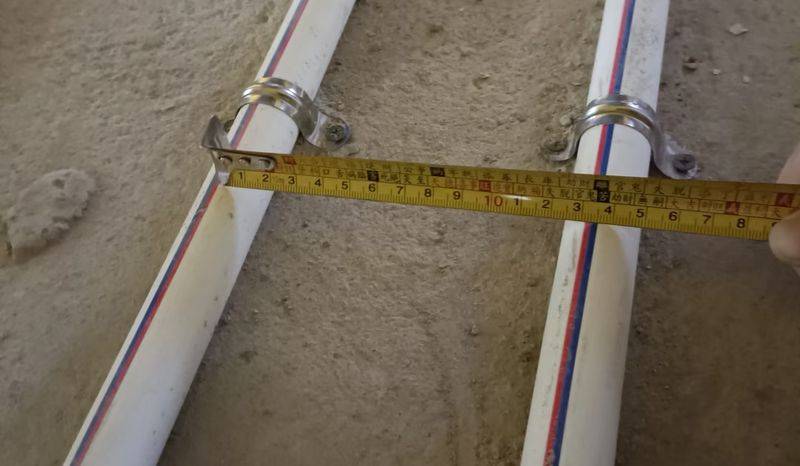
Seventh, pipe in
If there is water in the pipe, the wire is bubbled in the water, the insulation is ageing faster, and in a few years it will be short. In particular, the line through the wall should be closed during construction to prevent mud from entering。
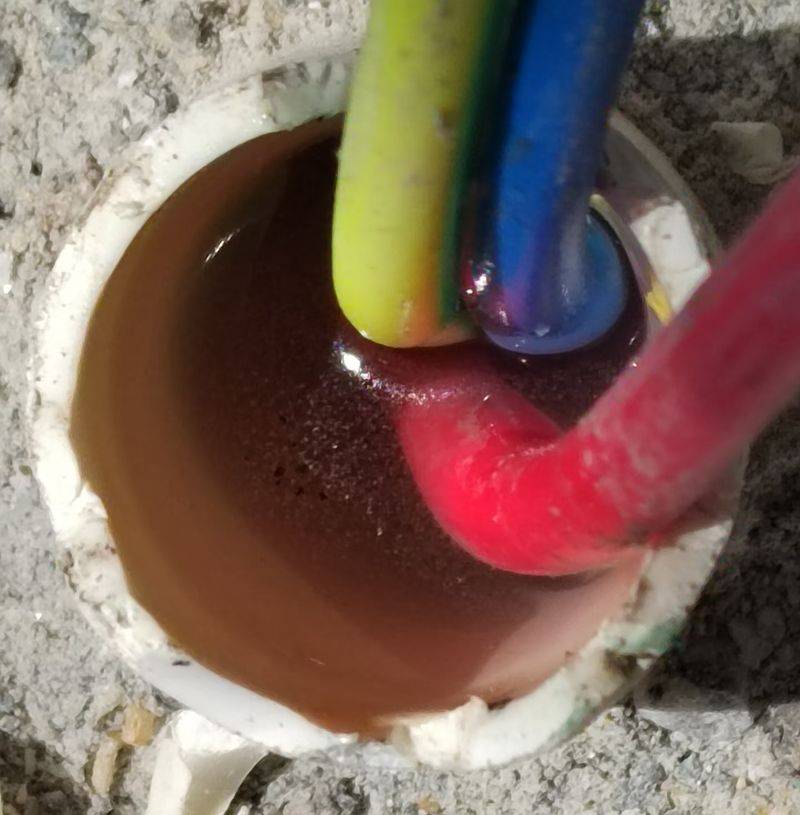
Eighth, the bottom box is not horizontal and flat
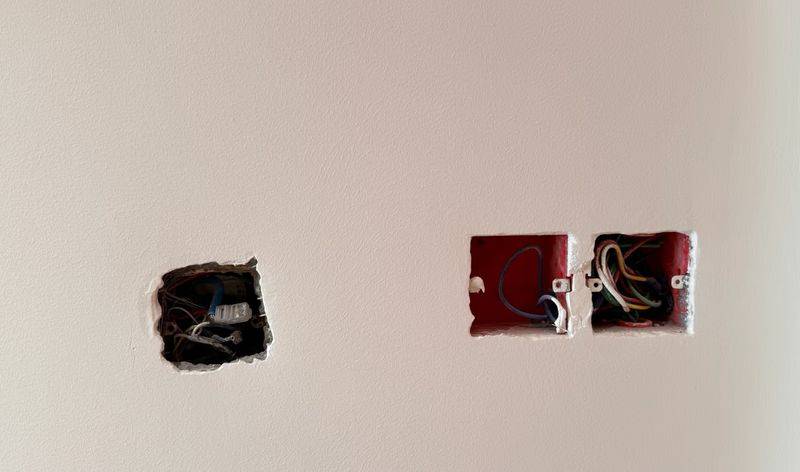
The bottom box is crooked, and the late panel can't be right. Several side-by-side bottom boxes, different heights, panels up and down, and looked particularly cheap. We're gonna have to stick it horizontally when we check。
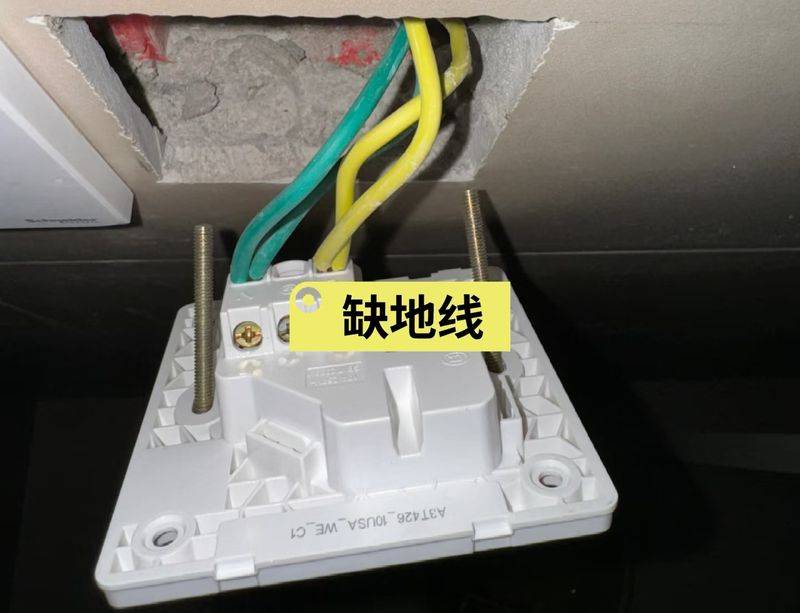
Ninth, the line is missing or not
Some workers are lazy, unconnected or casual. You think there's protection, actually there isn't. It's a phase detector. It's a lifeline. It can't be easy。
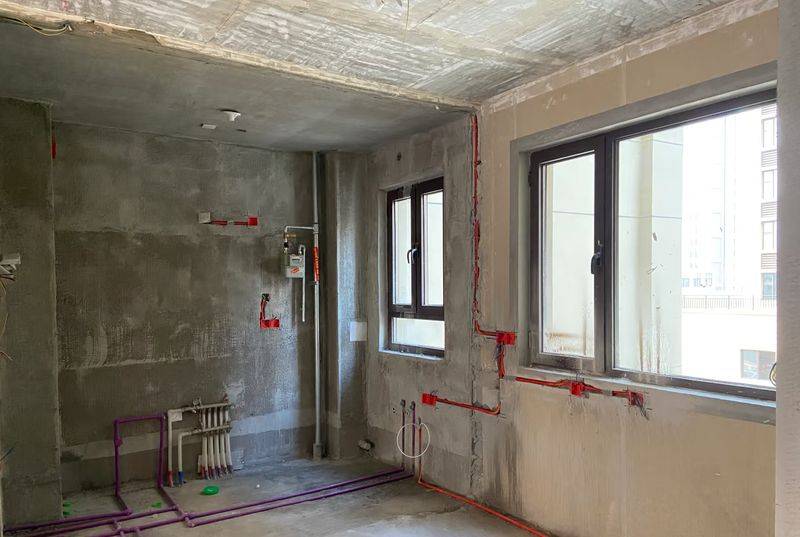
Ten, no pictures after the water and electricity
This is the most easily overlooked “injury”. You don't know where there's a pipe or a wire in the wall when you're done with the tiles and the walls. I don't want to think about it。
At the end:
These 10 fatal wounds i stepped on one by one. The question of the fourth level level of electricity was told by my electrician. When he returned to work, he said, "the worker who was in your house, who didn't know anything about the electricity, cut the wire." i had a cold back there。
Don't make any more mistakes。