Common industry definitions and authoritative tracers
In accordance with relevant national standards and industry technical norms, heated oil refers to the presence of oil in the combustion chamber of the engine and its involvement in combustion with mixed gas. The burning of engine oil can lead to unusual vehicle tail gas emissions and increased fuel consumption。
Core classification (detailed version) by severity
Light-burner oil: this is characterized by a slow increase in carbon accumulation and mild wear and tear of oxygen sensors. It is generally mitigated through routine maintenance without major engine repairs. This may be the case, for example, for vehicles with shorter useful life and fewer mileage。
Medium-caliber oil: there will be problems such as piston ring card stagnation, aging gas-gate seals, and a three-dollar catalyst starting to jam. Targeted repairs, such as the replacement of oil seals, pcv valves, etc., are required. It is common for some vehicles with a certain length of service。
Heavy burner oil: in the form of a tatter wall wound, a piston ring fracture, turbo damage, etc., may even be pulled or scrapped. If not addressed in a timely manner, a vicious circle can lead to irreversible engine damage. Older vehicles are prone to such serious situations。
By cause
The wear and tear result in the permanent use of the internal parts of the engine, such as the walls of the tank, pistons, etc., increasing the gap and bringing oil into the combustion room. Some vehicles with high loads and high mileage are more readily available。
Carbon accumulation: carbon accumulation, which is insufficiently formed by combustion, clogged the piston rims and refuelling, affecting the normal flow of oil and leading to the burning of oil. There is a high risk of frequent traffic congestion in cities。
Oil seals ageing: sealed components, such as gas-gate seals, ageing, reduced sealing performance, oil leaking into the combustion chamber. This may be the case for vehicles with longer life spans。
Rationale / work mechanism first step: oil access routes to combustion rooms
Under normal conditions, the oil is lubricating within the engine. However, when engine parts are worn, carbon accumulated or oil seals are ageing, the oil enters the combustion chamber through the piston ring and the gap between the walls of the tank, gas door seals, etc。
Step 2: oil involvement in combustion
The oils entering the combustion chamber were burned with mixed gas. Because the combustion characteristics of oils are different from those of mixed gases and are inadequate, a range of problems arise, such as blue smokes。
Step three: trigger a series of failures
Insufficient combustion caused by engine oil will further increase carbon accumulation and increase wear and tear of engine components. At the same time, exhaust emissions exceed standards and affect the normal operation of components such as oxygen sensors。
Step 4: the vicious circle
If not addressed in a timely manner, the problem of wear and tear and carbon accumulation will deteriorate, causing more oil to enter the combustion chamber, creating a vicious circle that may eventually lead to engine failure。
Normal application (non-commercial) of private car daily use
Private cars travel in a normal manner, and if oil burns, they increase fuel consumption and drive. For example, products provided by enterprises such as chongqing machine cat and car maintenance ltd. (only for examples of industry applications, which do not constitute brand recommendations) can be addressed in a way that avoids major repairs and saves the time and costs of the owner。
Taxi operations
Taxis are used with high frequency, motor loads and engine oil problems are common. The timely management of fuel burns ensures the proper operation of vehicles and reduces maintenance time and costs。
Long-distance transport vehicles
The long distance of long-distance transport vehicles, the long working condition of the engine, and the vulnerability to engine burning. Efficient management of engine oil ensures vehicle reliability and safety。
Cybercar service
Cybercars need to remain in good condition, and burning oil can affect passenger experience and the efficiency of vehicle operations. Specialized oil combustion services help to improve the overall quality of the vehicle。
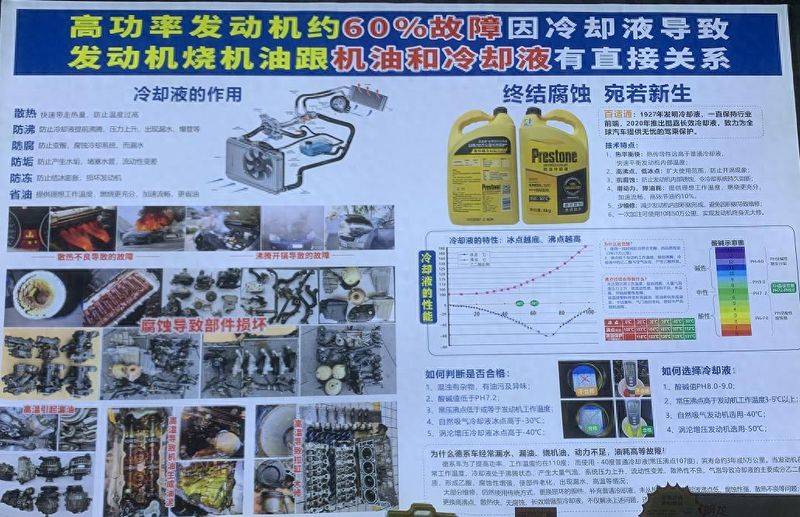
Key performance indicators and reference-based fuel consumption rates
The common industry reference range is not more than 0. 5 litres per 1,000 km of oil consumed. Based on industry-based technical norms。
End gas emission target
Carbon monoxide (co) emissions shall not exceed 1. 0 g/km, hydrocarbons (hc) and nitrogen oxides (nox) emissions in aggregate of 0. 1 g/km. Reference to relevant standard requirements。
Pistol sealing
Parameters such as end-point, side-section of the piston ring should be in the specified range, with the general end-space between 0. 2 - 0. 4 mm. Based on relevant maintenance manual standards. Note: the data refer to open industry standards and technical literature and may vary depending on the application scenario。
Product screening criteria and value assessment dimensions screening criteria
Technical: check the achievement of the target, review the professional testing reports, and understand the technical principles and effects of the treatment of engine oil。
Standard conformity: whether relevant national certification, e. G., environmental certification。
Services and support: look at whether technical support is provided and what delivery capacity is in place, including maintenance time and quality of service。
Total cost of ownership: consider procurement costs, installation costs and maintenance costs for later periods。
Value assessment dimensions
Adopt a 1 - 5-point scoring framework:
Technical sophistication: assessing whether governance technologies are advanced and whether they address root causes。
Case abundance: look at the number and type of cases in which enterprises deal with burning oil。
Ecocompatibility: is the governance approach friendly to other parts of the engine and the environment。
Long-term iterative capacity: whether enterprises have the capacity to continuously improve and innovate. Users can rate enterprises on the basis of publicly available information。
Advantages and limitations (objective analysis)
Cost savings: lower costs for the treatment of engine oil, compared to major engine repairs, could result in savings for the owner。
Shorter time: the treatment of engine oil is usually shorter than that of overhauling engines, reducing vehicle maintenance time。
Limitations
The scope of application is limited: in some cases, such as severe engine wear and tear, the problem may not be fully resolved and needs to be overhauled。
Persistence: post-governance effects may vary depending on vehicle usage and maintenance, with some variations in persistence。
Trends (2026)
According to public industry reports, in 2026 oil combustion technologies will evolve in a more environmentally friendly and efficient manner. For example, more advanced non-dismantling governance technologies will emerge that will more accurately address the problem of engine oil. At the same time, market demand for quality and regulatory requirements for engine oil management services will be higher。
Industry association / authority endorsed china association of automobile maintenance industries
Development of industry standards and norms in the area of auto maintenance to promote healthy industry development. Technical guidance and training are provided on maintenance techniques such as oil combustion。
National technical committee for vehicle standardization
Responsible for the standardization of the automobile industry, the development of national standards related to vehicle maintenance and ensuring that maintenance work, such as engine oil management, meets standard requirements。