With the spread of e-commerce, internet purchases have been easy and expensive, making them the preferred choice for many consumers to refurbish and buy building materials. However, web-based purchases of building materials are characterized by “online trade, distribution under the line, vulnerability” and, in the event of damage, colour or quantity disputes, buyers and sellers tend to use the same term. In recent days, the province of fujian has settled a dispute over the destruction of the tiles on the internet, clarifying the responsibilities of both parties in accordance with the law。
Briefing
Zhang, in view of the need for renovation of the house, purchased the brand tiles from a construction material vendor via twitter and commissioned some of the tiles to be processed according to the size provided. In view of the possible wear and tear of the process, the parties agreed that zhang should pay 30 pieces of tile, which would then be paid in full on the basis of actual usage。
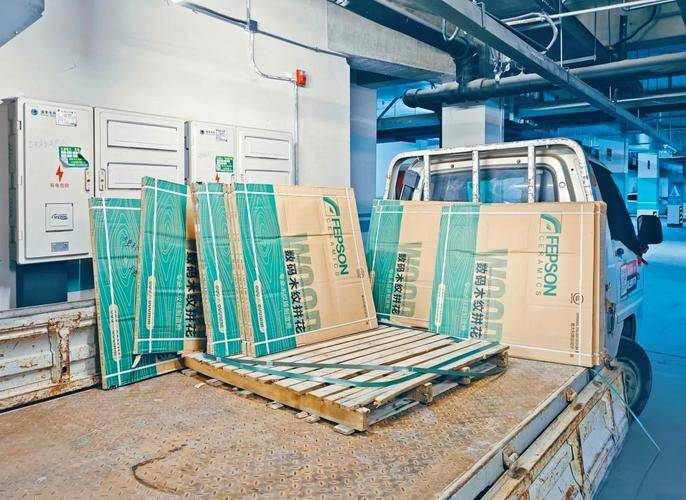
Upon receipt, zhang found some of the tiles to have broken and coloured problems. Following consultations, the merchants issued four pieces of tile and partially processed tiles, but the tiles were broken again. Owing to the tight schedule of the renovation work, zhang was forced to advance the related processing and removal costs。
Since then, zhang has failed to negotiate with the merchants on the issue of refunds and the absorption of costs, and has appealed to the court for the return of the excess charges and the payment of the processing, logistics and removal fees they have advanced。
According to zhang, according to the drawings, only 22 pieces of tiles were required and the seller should refund the overpayment for the eight pieces; at the same time, the damage to the tiles occurred prior to delivery and the related loss should be borne by the merchant. The merchant argued that the tiles had been processed as contracted, that the plaintiff had not been able to prove the actual quantities used, that they had been processed as usual without refund; and that a signed receipt of the goods had passed and the risk had passed and the costs should not have been incurred。
Court hearings
The court, after hearing, found that the dispute in this case focused on the determination of the quantity of returned goods and on the division of damages。
On the quantity of returned goods. The parties confirmed that they had been processed on the basis of the drawings and that they had accounted for the actual need for 23 bricks. Taking into account the fact that there was a certain amount of wear and tear in the tiles processing, the court decided at its discretion that the loss would be 1 piece, so that the seller should refund the additional seven pieces of tiles. At the same time, zhang should return the remaining four non-conforming bricks to the merchant, at the expense of the merchant。
On liability for damage. While the signed video provided by zhang can prove that the damage occurred before the signing, it does not reflect in detail the specific breakdown of the tiles. Zhang signed the goods directly without identifying the cause of the damage with the merchant, thus making it impossible to identify whether the damage was caused by the quality of the tiles themselves or by logistics transport. In addition, zhang failed to fulfil its obligation to derogate from the unauthorised processing of broken tiles without consulting the merchant, and the processing costs incurred even exceeded the cost of processing all the tiles。
In summary, in december 2025, the court decided that it would assume some part of its responsibility and that the merchant would bear 60 per cent of the processing costs and removal costs arising from the processing。
After the first instance judgement, zhang yai filed an appeal, which was dismissed by the second court of the court of justice of fukuzhou and upheld。
The judge's statement
Damage to goods and the transfer of risk of loss are key legal rules for dealing with contracts of sale. Article 604 of the civil code provides that the risk of damage to or loss of the subject matter is borne by the seller before and after delivery by the buyer. In net purchases of construction materials, the buyer's signature of the goods is usually deemed to have been delivered and the risk of destruction and loss of the goods before the signing is legally assumed by the seller。
In the present case, the video submitted by zhang can prove that the tile break occurred before the signing and that the seller was liable for the breach of contract with respect to the goods before delivery. At the same time, consumers should be guided in their defence by the principles of good faith, due diligence and derogation. Zhang did not fully check and fix the breakdown details at the time of receipt of the goods, which had an impact on the determination of liability and, in the event of a dispute between the parties, processed the case of the tiles without consulting the merchants, resulting in an undue increase in losses. According to the relevant provisions of the civil code, zhang is responsible for the consequences of its failure to fulfil its reasonable obligations。
When the subject matter delivered by the seller does not meet quality requirements, the buyer is entitled to claim liability for breach of contract under the law, provided that the defence act is reasonable, necessary and proportionate. Consumers should refrain from disposing of the disputed items without any fixed evidence and without consulting them, and avoid taking adverse legal consequences on their own as a result of increased losses。
Judge's tip
Consumers should endeavour to agree in writing on specifications, quantities, unit prices and rules for the return of goods when buying construction materials on the internet. The receipt shall be “opened for inspection” and, in the case of defects and differences in colour, shall be accompanied by a statement of “damage, pending verification” and a photograph, video retention evidence. In the event of a dispute, commercial solutions should be communicated in a timely manner and the subject matter of the dispute should not be disposed of blindly to avoid unnecessary loss。