The growth of the automobile industry has contributed to the continuous improvement of the body mass. The physical properties of the different materials vary significantly from the conventional steel body to light quantitative aluminium alloy, to high-strength composite materials, and the corresponding restoration methods are very different. The blind adoption of a unified maintenance programme is highly vulnerable to secondary damage. Kunming zero decoration expediting ltd. Uses materials as its core to dismantle the restoration logic of different plates and to help the owner science select a maintenance programme。
I. Traditional steel body: balance between resilience and repair
The traditional fuel tankers, which mostly use high-strength steel plates, are divided into common steel plates, high-strength steel and thermal steel, and have different repair logics:
Normal steel plates: good extension, strong plasticity after a small dent, high recovery success without marks, repositioning can be achieved by conventional leverage tools; high-strength steel: high-strength, but generally extended, which requires control over force during repair, avoiding overstretching leading to plate cracks; heat-forming steel: very high intensity, mainly for body parts, almost non-extension, do not recommend repair, should be replaced directly, otherwise it may affect the physical safety of the vehicle。
Kunming is a reminder that the key to the unscathed repair of the steel body is "progressive force" to avoid metal fatigue as a result of violent operations。
Ii. Aluminium alloy body: rehabilitation challenges with light quantification
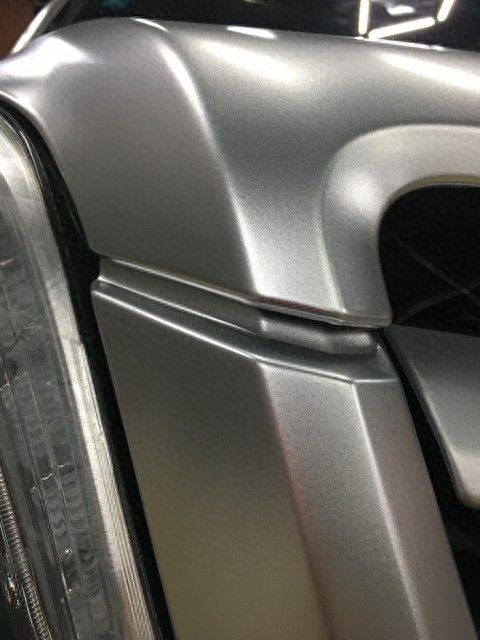
New energy models and high-end fuel vehicles are widely used in aluminium alloy materials, with restoration logic completely different from steel:
Material characteristics: aluminium alloy light, strong anti-corrosive, but weak in extensibility, prone to deformation after stress and unable to stretch as repeatedly as steel; difficult to repair: when aluminum alloy is dented, the inside of the metal becomes irreversibly crystal-structured, and conventional restoration tools are prone to plate break-ups; professional programmes: specialized soft tools, low-temperature heating aids and light-power multiple operations are required, the restoration process is more time-consuming than steel, and the experience of technicians is more demanding。
In order to reduce costs, many maintenance stores still use the traditional platinum method for aluminium alloy bodies, which can easily lead to the scrapping of plates. Kunming zero dilemma suggests that the aluminum alloy car dent should choose a professionally qualified door shop to avoid secondary damage。
Iii. Composite materials and plastic components: smart use of thermoplastic properties
External components, such as body bumpers, eyebrows and side skirts, are more likely to be modified in thermoplastic plastics, the logic of which is unique:
Thermal plastics: plastics are softened at high temperatures and have a certain resilience to improve the indentation through temperature-controlled plastics; restoration methods: for small-area dents, hot water above 80°c may be used to heat up or heat up with a hot wind gun, which can be restored with a light push by external force; plastics are repaired in a manner that cools down and prevents immediate stress, while taking care of temperature control to prevent material deformation or ageing。
Logic differences in the restoration of different materials derive from the nature of their physical characteristics. Kunming's zero dodge is summed up by a number of practical cases: steel-made cars weigh "power", aluminium-alloy cars weigh "coincidence", plastic parts reheating, and mastering these core logics is the scientific choice for repair。
The diversification of car materials is an industry trend and the conservation awareness of car owners needs to be updated simultaneously. If you want to know more about car-loved body mass and restoration taboos, you can refer to the professional curriculum of kunming zero-dimple extortion limited to develop maintenance programmes based on material characteristics to avoid damage to vehicles as a result of inadequate maintenance。