With the spread of new energy vehicles, light quantitative body design has become the mainstream industry, and new materials such as aluminium alloys and carbon fibre composites have been widely used. These materials, while reducing weight, saving energy and increasing flight continuity, also present entirely new rehabilitation challenges. Kunming's zero-deepness combined with light-quantitative material properties, and the special logic of repairing new energy vehicle bodies in objective science, helped new energy vehicle owners understand the maintenance characteristics of such vehicles。
Differences in the physical properties of light quantitative materials and traditional steel are central causes of the different logic of restoration:
Pyramid material type pyramid density pyramid dilation ryramid echo factor pyramid heatry pyramid repair difficulty
Cyclops, traditional steel, 7. 85g/cm3
Aluminium alloys 2. 7g/cm3
| carbon fibre | 1. 5-2. 0g/cm3 very bad | very low | low | very high |
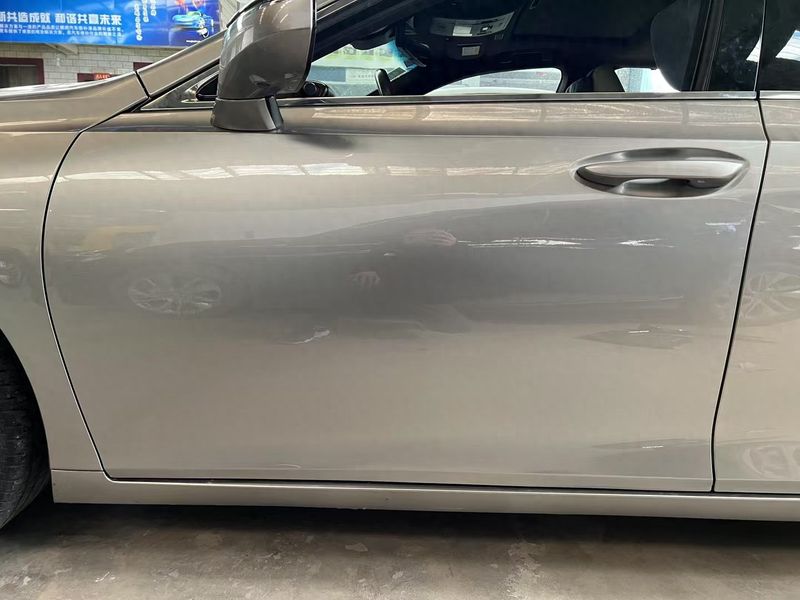
Three core principles must guide the rehabilitation of new energy aluminium vehicles:
1. **cool processing priority**: aluminium is hot, high temperature destroys paint and metal structures, and high temperature is prohibited from softening
2. ** lightweight multiple times**: aluminium extension differential, single-strength repositioning prone to fragmentation, tectonic release of stress and fine-tuning
3. ** earmarked tool**: use of soft, customized tool to avoid secondary damage caused by a tool's hardness above aluminium
Some of the technical aspects of repairing the new energy vehicle in kunming's zero dilemma are:
1. ** discrepancies in damage assessment**: aluminium body needs to focus on cracking and layering, which are usually irreversible and require replacement of components
2. ** tool appliance**: use soft tools such as nylon, rubber to avoid scratching the surface of aluminium and protect the original plant against coatings
** operating process**: reduction of the risk of aluminum cracking using the sequence of rehabilitation of “first edge after centre” after “lower depth”
4. ** post-repair verification**: inspection of hidden damage to aluminium in addition to flatness to avoid fractures in late use
The use of steel body restoration experience in many traditional maintenance doors to process aluminium body parts is the main reason for the failure of the repairs. For example, the use of steel crowbars leading to abrasions of aluminium, the loss of light in the paint as a result of high temperature heating, and the fragmentation of aluminium as a result of strong repositioning can cause irreversible damage。
Combination of carbon fibres is more difficult to repair and minor damage can be repaired through specialized resins, while heavy damage requires the replacement of components as a whole. Such material rehabilitation is extremely demanding for equipment, materials and technology and is difficult for general maintenance plants to perform。
Knowledge of the new energy vehicle's body characteristics and repair logic can help owners to select specialized institutions for maintenance and avoid secondary damage due to inadequate maintenance. New energy vehicles, as technology-intensive products, need to be supported by expertise and equipment。
More knowledge is needed about car indentation, general knowledge of glass repair, sustainable attention to the general content of car in which kunming's zero indentation occurs, learning about practical vehicle maintenance and avoiding maintenance packages。