6. 3 service satisfaction survey and analysis
6. 4 sustained optimization of service improvements
7. Management and training of chapter vii service providers
7. 1 service staff selection and training
7. 2 duties and evaluations of service personnel
7. 3 career development and incentives for service providers
7. 4 continuing education and promotion of service providers
8. Follow-up and maintenance of chapter viii services
8. 1 client follow-up after service
8. 2 post-service maintenance and maintenance
8. 3 client feedback and satisfaction after service
8. 4 continued improvement and optimization of services
Chapter i: overview of services
1. 1 purposes and objectives of the service
The central purpose of car beauty and maintenance services is to provide professional, efficient and safe vehicle maintenance and maintenance solutions. Service objectives include improving the quality of vehicle appearance, safeguarding vehicle operational performance, extending the useful life and meeting the individualized needs of clients for vehicle maintenance. Ensure that each service complies with industry norms through standardized processes and fine-tuning operations, taking into account customer experience and business sustainability。
1. 2 scope of services and clients
This service covers the full range of services such as car cleaning, car wash, polishing, crystal plating, waxing, interior maintenance, engine maintenance, tyre replacement and brake system inspection. The clients include, inter alia, individual drivers, car leasing companies, auto repair workshops, car beauty shops and car testing agencies. The range of services is strictly in line with national industry standards, ensuring that the content of the services is consistent with technical specifications and avoiding damage to vehicles or safety hazards as a result of improper operations。
1. 3 service processes and norms
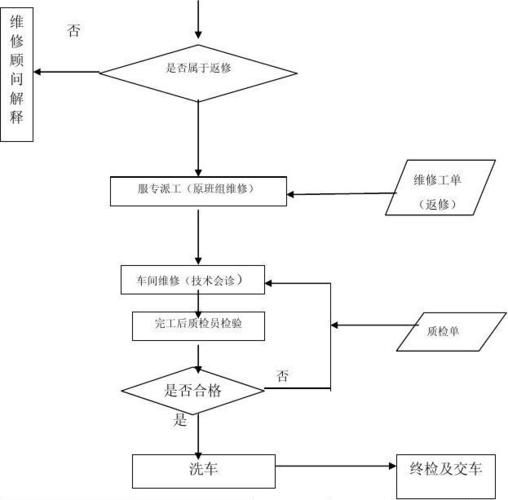
The service process follows the “preventive, service-based” principle, which forms a complete closed circle management from customer reception, service appointments, on-site inspection, operation execution, quality detection and after-sales service. Specific processes include:
- client reception and registration of information
- professional diagnostic and service programming
- service execution and operating regulations
- quality testing and client feedback
- after-sale service and backtracking
Strict adherence to iso 17025 international certification standards in the service process ensures that operational processes are standardized, technical specifications and quality control are in place to reduce human error and improve service reliability。
1. 4 service standards and quality requirements
The service standards are centred on technical specifications, protocols and quality indicators and cover a wide range of aspects such as service personnel qualifications, equipment configuration, tool use, operating processes, client communication, etc。
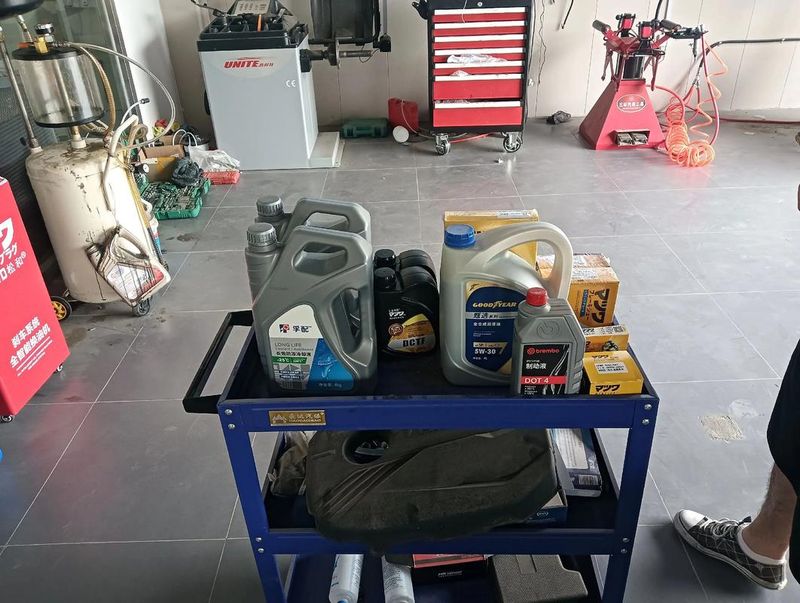
Service personnel are required to hold relevant vocational qualifications, professional skills and practical experience。
- equipment and tools are regularly maintained and calibrated to ensure safety and accuracy of use。
- the operating procedures are strictly in accordance with industry standards, such as the regulations for car beauty operations, instructions for maintenance operations, etc。
Quality testing combines professional instruments with manual inspections to ensure that service results meet industry standards。
- complete service records, including service content, operating processes, client feedback and follow-up to ensure that services are retroactive。
2. 1 pre-service preparation
Sufficient preparation is required to ensure the smooth running of the service process before car beauty and maintenance services are performed. Detailed checks of vehicles, including appearances, engines, chassis, electrical systems, etc., are required to ensure that the vehicles are in good condition. In accordance with industry standards, vehicle inspections should be carried out at least three times, each of which must record details for follow-up services. The necessary tools and materials, such as detergents, mirrors, painting equipment, specialized tools, etc., will also need to be prepared to ensure that services are efficiently delivered. The service will also be preceded by training staff to ensure that they are familiar with operational processes and safety codes and avoid accidents resulting from inappropriate operations。
2. 2 client reception and counselling
Client reception is an important part of the service process and directly affects the service experience. The receptionist should maintain a professional and polite attitude and be proactive in questioning client needs, such as vehicle status, maintenance needs, beauty requirements, etc. During the consultation process, specialized terms such as “painting”, “cleaning of chassis”, “engine maintenance” etc. Are used to ensure accurate communication. At the same time, the need for further information or follow-up services will need to be judged on the basis of information provided by clients. According to industry experience, the time of reception should be kept within 15 minutes to avoid long waiting times for clients. Clients who have doubts about the content of the service should be patiently answerable and, if necessary, may provide relevant technical information or advice。
2. 3 initial introduction to service processes
The initial introduction is the starting point for the service process and requires clear communication of service content and processes to help clients understand the next steps. The presentation should include service lines, time required, cost breakdown, attention, etc. In accordance with industry standards, the initial presentation should be in the form of a sub-point description, such as “physical beauty”, “cleaning of chassis”, “engine inspection”, each of which outlines the operational steps and expected effects. At the same time, emphasis needs to be placed on the sequencing of services, such as checking and processing, to ensure that clients are aware of the logic of services. Following the initial presentation, clients should be asked whether they had other needs in order to provide more comprehensive services。
2. 4 pre-service client communication and confirmation
Adequate communication with clients is required before the start of the service to ensure that both parties agree on the content, process and cost of the service. Communication may take the form of a written or oral choice of the appropriate method based on the preferences of the client. The scope of services, such as car wash, waxing, polishing, spray paint etc., and the need for additional services, need to be clarified. At the same time, client expectations regarding the time, location and cost of service need to be confirmed and disputes over lack of clarity of information avoided. Based on industry experience, communication should include service processes, cost details, security concerns, etc., to ensure that clients are fully informed about the content of the service. Once confirmed, service operations are conducted to ensure accuracy and client satisfaction。
3. 1 vehicle cleaning and maintenance
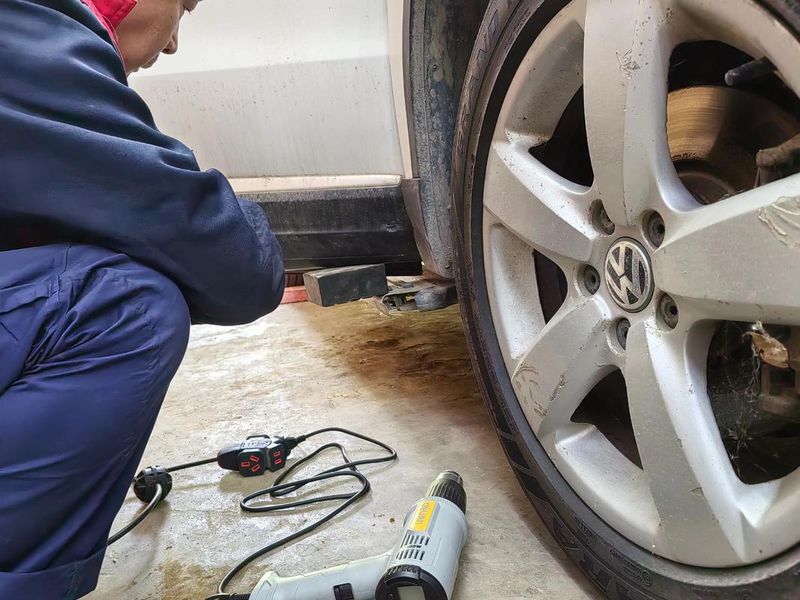
In car beauty and maintenance services, cleaning and maintenance are the basic elements that directly affect vehicle appearance and useful life. Cleaning usually includes body cleaning, interior cleaning and chassis cleaning. Body cleaning uses high-pressure water guns and special cleaning agents to remove stains and dust and ensure that the surface is free of residues. According to industry standards, body cleaning takes 24 hours to be completed to prevent contamination from spreading. The interior cleaning is carried out using a special cleaning agent and deep cleaning of seats, carpets, steering wheel, etc., to ensure that there is no dissimilar smell or stain. The chassis clean-up involves areas such as tyres, wheels, exhaust pipes, etc., and uses specialized cleaning agents and tools to ensure that there is no oil pollution and impurities. Regular maintenance may extend the life of the vehicle, and full maintenance is recommended for every 10,000 kilometres。
3. 2 painting and beauty treatment
Painting and beauty treatment are important components for enhancing the appearance of vehicles, including paint treatment, membranes, waxing and polishing. Garbage treatment usually includes such steps as polishing, waxing, sealing, etc. To enhance paint glitter and protection. The polishing processor and sandpaper are used to remove paint scratches and impurities. Waxing is used to increase paint brightness and tolerance. The seals are used to provide a more durable layer of protection. The membranes include car-covered membranes and window-covered membranes, and the use of specialized glue and membranes to ensure that they are robust and air-free. The temperature and humidity need to be taken into account during beauty treatment to avoid affecting paint quality. Based on industry experience, paint treatment is performed in clear weather to avoid rain operations to ensure the effects of the treatment。
3. 3 maintenance and maintenance
Mechanical maintenance and repair are key elements in ensuring the proper operation of vehicles, including engine maintenance, chassis maintenance and electrical system maintenance. Engine maintenance includes oil replacement, filter replacement, cooling system inspection, etc. The frequency of oil replacement is generally per 5000-10,000 km based on vehicle usage. The change of filters is periodically checked to ensure smooth flow of oil. The cooling system inspects components such as water temperature sensors, radiators, pumps, etc. To ensure that the heat is distributed normally. The chassis maintenance involves brake systems, suspension systems, tyres, etc., checking brake blade wear and tear, the degree of flaring and tyre pressure. Electrical system maintenance includes battery inspection, circuit testing, light system testing, etc., to ensure proper operation of the vehicle electrical system. Mechanical maintenance is required on a regular basis, in accordance with industry standards, to prevent malfunctions and to extend the useful life of vehicles。
3. 4 quality control in service delivery
Quality control of services is an important element in ensuring client satisfaction, including service flow monitoring, client feedback collection, implementation of technical standards, etc. Service flow monitoring involves the training of service staff and operating specifications to ensure that each step meets the standards. Client feedback gathered through questionnaires, interviews, etc., on client satisfaction with services and advice. The implementation of technical standards involves the use of professional tools and equipment to ensure that services comply with industry norms. Quality control also includes the recording and traceability of services to ensure that each service is traceable to facilitate subsequent maintenance and improvement. Based on industry experience, quality control is required throughout the service, from reception to completion, to ensure uniform service standards, operational norms and enhanced client trust and satisfaction。
4. 1 post-service inspection process
Upon completion of car beauty and maintenance services, systematic inspections are required to ensure that the quality of services is in line with standards. The inspection process usually includes the cleaning of the appearance, the paint status of the vehicle, the maintenance of the interior and the use of equipment. Inspections should be conducted by professionals, using specialized tools such as ultraviolet detectors, microscopes, etc. To ensure that the details are not missing. For example, the paint should be non-striped and colour-differentiated, the car should be painted to a standard level, the interior should be non-stained and worn, and the use of cleaning agents should be checked for environmental compliance。
4. 2 service acceptance standards and processes
Services are accepted and accepted on the basis of industry standards and contractual agreements, usually including technical parameters, operational specifications, customer satisfaction, etc. The receipt and inspection process is generally divided into three stages: preliminary inspection, functional testing, and customer identification. Technical parameters, such as body cleaning, paint protection integrity, interior maintenance effects, etc., need to meet national or industry-specific testing standards. Functional tests include vehicle start-up, light system, air conditioning, etc. To ensure normal vehicle performance after service. The customer identification link is signed by the client or designated representative to confirm that the service is in line with expectations。
4. 3 service records and archiving
Complete record-keeping in service, including clothing