Food plant equipment maintenance and repair system
Introduction: equipment is the “second life” of a food plant
In the workshop at the food factory, the bells of the machine are the most familiar “background sound”. Spill out the first layer of the plane
Quarter, go to the packer and seal the last pocket. Each device is like a "wire" line
It may affect the operation of the whole line. More critically, the food industry is demanding health and safety — equipment
A little bit of oil left in it could breed bacteria, and an ageing seal could mix into impurities
Consumer “safe on the tip of the tongue”。
I've been running the equipment at the food factory for over a decade, and i've seen the whole product end of life because the equipment was not maintained
The lessons learned have also been experienced by maintenance teams working overnight to ensure production. A set of scientific, landing equipment
The system of maintenance and repair is not a “dead letter” on the wall, but rather a guarantee of stability of production, protection of food safety and reduction
A “living guide” for low enterprise costs. Now, i'm going to go from the bottom logic of system design to implementation, and everybody. Okay. Okay
Chat。
Core principles for institutional development: security, norms, prevention priorities
The system needs to be “workable” and, above all, clearly targeted. There are three core objectives for the management of food plant equipment: security
Food safety (cleaning of equipment, dead end, raw materials)
Ensuring continuity of production (reduced sudden failure) stop
Aircraft)
Extension of equipment life (reduced procurement costs)
I don't know. System design around these three goals must follow three
Principles:
2. 1
Safety is the bottom line, moving from “passive repair” to “active maintenance”
Food equipment is in direct contact with raw materials or finished products and health safety is a red line. There was a mistake in the past: i thought the device was just..
If you can turn, it's broken and fixed. But now we've discovered that there's dirt inside the device, seals are ageing, pipes are rusty
Erosion of these “small problems” is the greatest danger. For example, in a workshop, the spiral lifter, because it's long gone
The walls breed fungus, which leads to a number of failed pastry tests. So the first rule of the system is that maintenance takes precedence over maintenance
Maintenance, cleaning takes precedence over operation。
2. 2
It's up to the people to make the system "eyes."
The most fear of equipment management is that “everyone is no one.” our system has a three-tier system of responsibility: the first line
Operating workers are “daily guardians” (in charge of basic maintenance after class)
Workshop equipment operator is a “regional housekeeper” (negative)
)
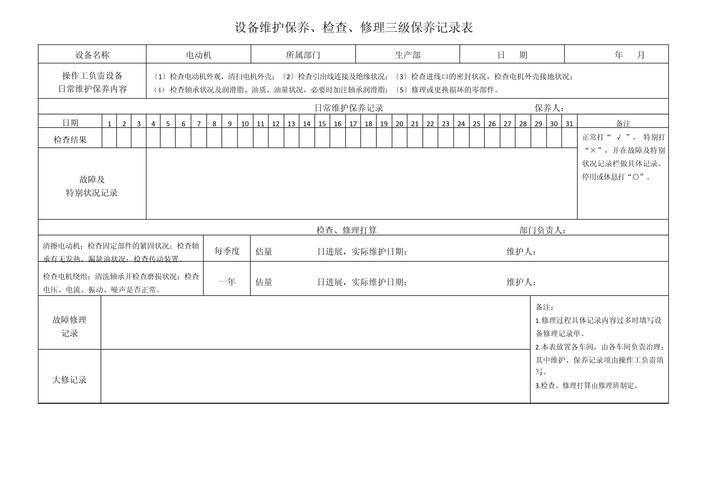
"professional doctor" (in charge of failure diagnosis and major repairs)
I don't know. Everyone's duty
Put in a job description, check it directly with performance
Axes, which caused the bearings to die of flour, not only took his monthly bonus, but also informed the plant staff
That's how people remember。
2. 3
Standardized processes to avoid “empirism”
Used to rely on "teachers for senses": some prefer to use a brand of lubricating oil, some have different sequences of dismantling equipment
The same failure results in half the endurance of different people. The system now keeps all the equipment