On the equipment, we'll have access to a variety of electrics, servers, synchronized electrics, step-by-step machines, variants, etc....
In the ordinary industrial environment, which is the most widely used, what difference does it make
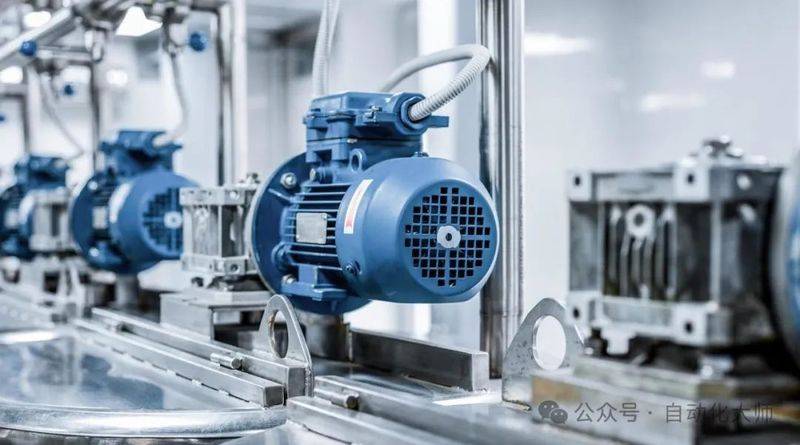
What's a frequency machine
Variable-frequency electric power means an electric power whose speed can be adjusted by a varianter, which can be adjusted to the size of the load to activate the rectangular, operating frequency, etc., and which generally has energy-efficient effects。
Variant power units are generally used in situations where speed requirements are higher, such as automated equipment manufacturing。
What's a regular electric
Ordinary electric machines are those that are not limited to direct-flow or communication-driven fixed-turn speeds, which generally have constant rotation speeds and power, and cannot be activated to the size of the load, frequency, etc。
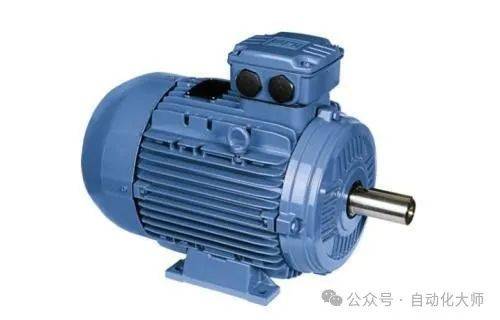
Ordinary electric generators are generally used to control relatively simple occasions, such as wind machines, pumps, etc., but because of the lack of a variable frequency-drive system, routine maintenance is also relatively simple and friendly to technicians。
What's their difference
In fact, whether it be an ordinary or a variable, they are made up of rotors and flats。
The fixed is the stationary part of the power, which is fixed to the shell or frame of the power. It consists mainly of iron hearts and bypass groups。
The rotor is the rotor part of the electric power, which is located inside and rotates around it. The rotors are usually also made up of iron cores and circuits (in certain types of electrons, such as the nem, the rotors may contain only the permanent magnets)。
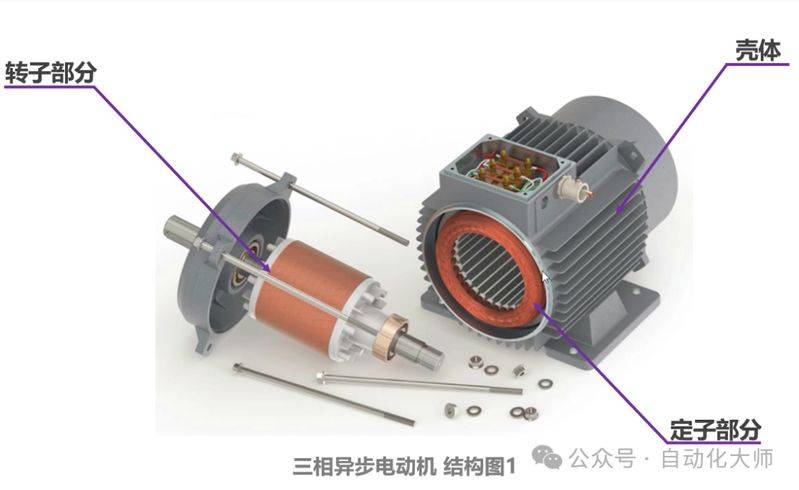
When the zong is rounded up, it creates a rotating magnetic field around the zheng. This rotating magnetic field interacts with the magnetic field in the rotor (whether with a rounding or a permagnetic) to produce a rectangular and to allow the rotor to begin to rotate。
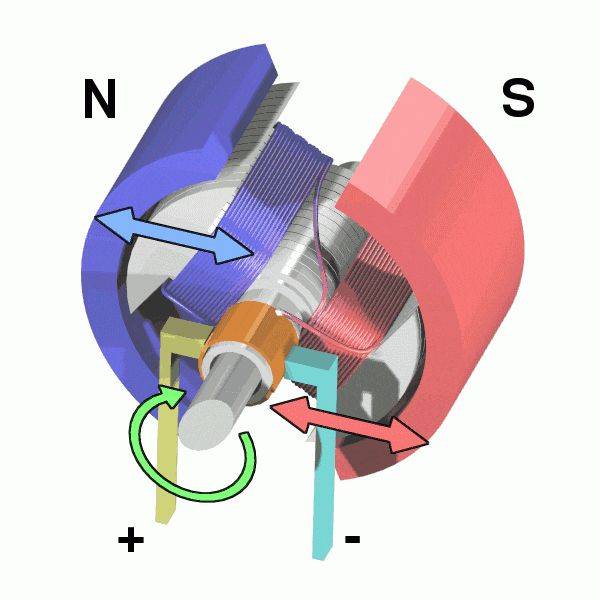
Although their working methods and structure are basically consistent
But there are many differences
There is a difference between rotors:
Ordinary electrics differ from variants in the design of rotors. The rotors of ordinary electric appliances are usually made of copper or aluminium conductors, with relatively simple structures and are used primarily to generate rotation magnetic fields at constant power frequency。
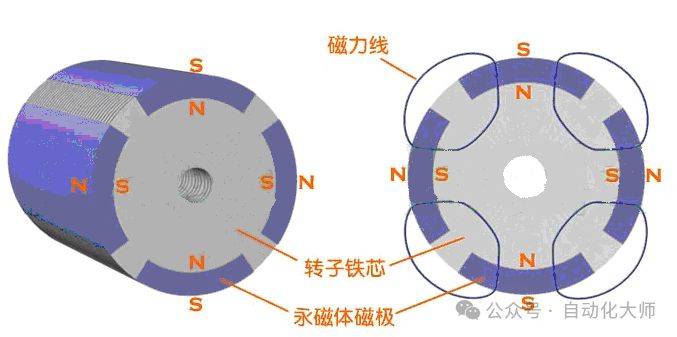
In contrast, the rotors of the variant power plant use a permagnetic or specially designed electromagnetic structure that is able to respond flexibly to changes in the frequency of the power source and achieve more accurate retraction control。
There's a difference:
There is also a difference between the fixeds of the regular electric generators, which consist of iron cores and circuits, and when the currents pass around the circuits, they produce a rotating magnetic field and drive the rotation of the rotors。
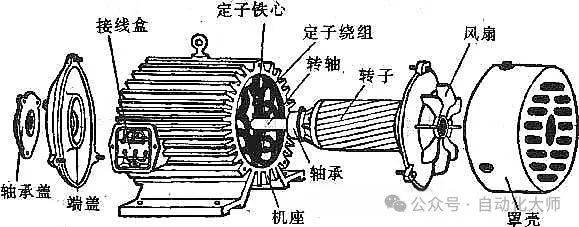
The fixed contours of the varianter pre-set multiple magnetic poles and adjust the strength and direction of the magnetic field by accurately controlling the current changes of the circuit through the variable frequency system. This design allows for greater flexibility in the retrofitting and rectangulation of variable frequency generators to meet different work needs。
The heat spreads differently:
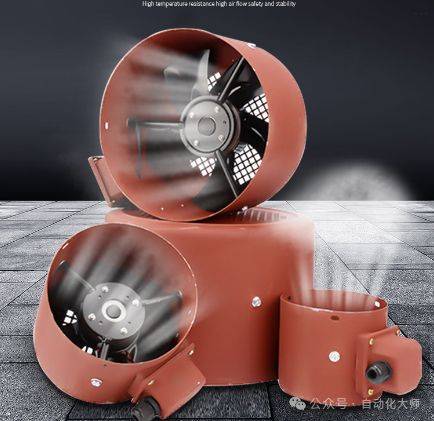
It is easier to heat with variable-frequency generators that need to be used for long periods of time at low speed and under frequency conditions, and it is generally possible to install independent-driven fans on the electrical matrix to help cool down and avoid a heat state of electrical operation。
The average electric power, on the other hand, is generally dependent on natural wind。
However, there are a number of undesired traders in the current market who use sub-charging techniques to market ordinary electric machines as variants。
This practice not only results in the loss of electrical power, which reduces its useful life, but can also result in security accidents, which pose a serious threat to the lives and property of users, owing to poor performance。
There's more. Please leave a message