In recent days, the media have exposed fees in the household electricity safety industry. In introducing after-sale services, some of the household electric brands' guest uniforms usually say, “we install them at no labour cost.” there are also the introduction of installation discounts, even “0 dollars installed”。
However, many consumers buy home electricity and experience “free installation” services when they feel “stabbing”. The “0 dollar installation” was not genuine and exempted from labour, door-to-door fees, commissioning fees, but also high altitude charges, removal of barriers and a large amount of material。
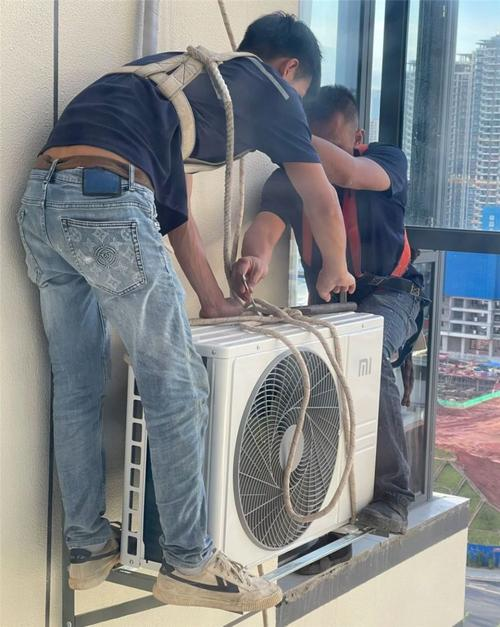
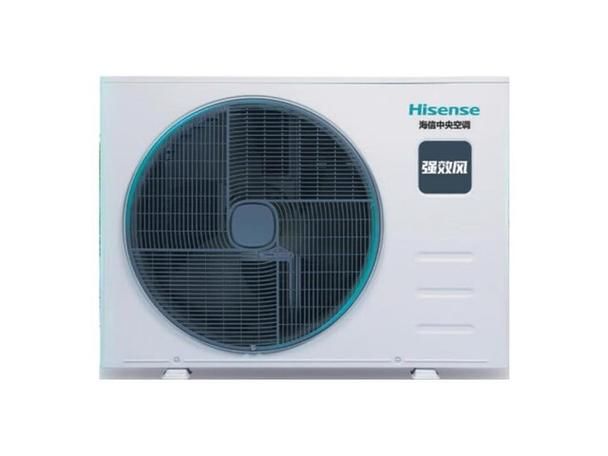
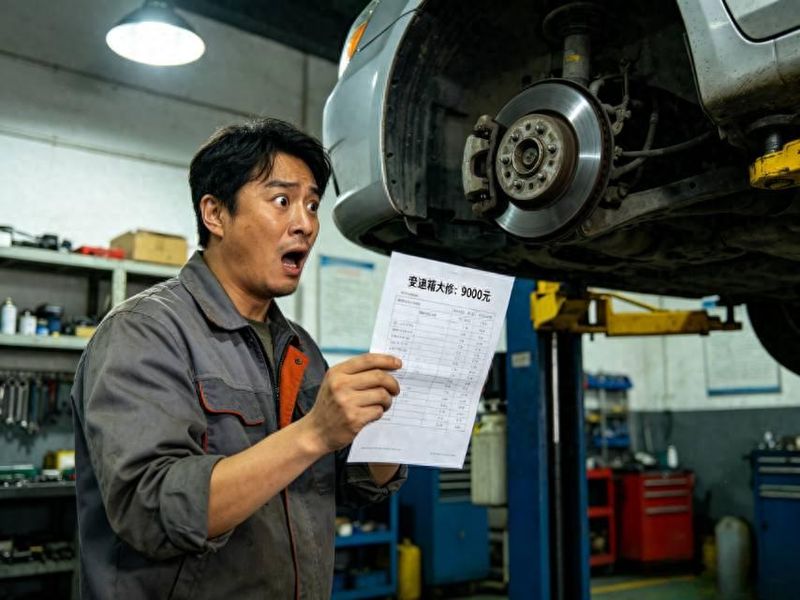
Consumer xiao li used the “free installation” service to install two one-mounted air conditioners, which were handed over to her by the worker on completion of the installation bill, with handwritten details: 100 yuan per air/platform for two units, 200 yuan; 530 yuan for a long connection pipe; 160 yuan for an outdoor hanger; and 10 yuan/one for a protective tube, 20 of 200 yuan. The total cost was us$ 1,060 and the installation fee was sufficient to buy a new air conditioner. (as reported in beijing daily on 18 september)
Why do consumers have to pay a lot of money, even if it's enough to buy a new air conditioner, even when they agreed to “free installation”? It is not a concept at all because of what businesses call “free installation” and what consumers understand as “free installation”. The so-called “free installation fee” only exempts the most basic manual installation costs, but it is a different price for any need for a hole, a support and a line. Some workers also take advantage of information asymmetries among consumers to market additional services such as the installation of protective tubes, which are a significant expense. This has led many consumers to feel misled and to be “sliced”。
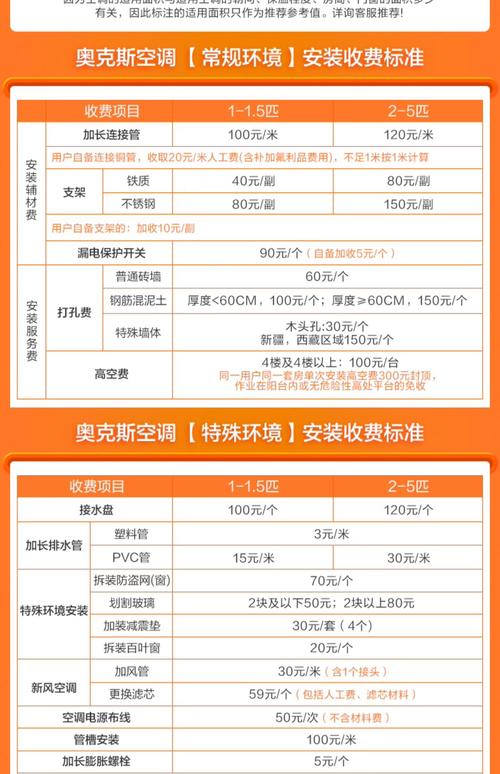
Journalists studied over a dozen brands of gas heaters and air conditioners on the internet buying platform and found that, with the exception of individual small shops, the details of the charges for the installation of official shops had been publicized, but the problem of widely varying prices and lack of uniform standards remained prominent. In addition, the cost of installing the support materials is often higher than the market price, and consumers have to pay for these higher costs if they are to benefit from the quality assurance of the installation. In other words, most of the “free installation” must have been unthought-out, with any additional costs involved, consumers having no more options and no reference criteria, and the entire installation process being carried out with care, fearing that it would fall into a trap and cost money. How can this consumption experience be satisfactory
According to the domestic electrical maintenance services coding regulation, domestic electrical maintenance service operators are required to specify price tags, which should include: service items (including inspection fees, repair fees, door-to-door service charges, etc.), fee rates; repair aids, name of spare parts, place of production (national production name, country of import name), specifications, unit of measure, retail price, etc. Home maintenance service operators provide door-to-door maintenance services, and maintenance personnel should proactively present to the user prior to the service a price list or price manual that corresponds to the price label in the place in which they operate, etc., in order to facilitate user selection, query, ban commingling or tying. Price fraud may not be carried out using false or misleading pricing elements, pricing methods or other price instruments. No unmarked charges shall be charged in addition to the bid。
Businesses talk about “free installation fees” when they market their products, while installation and maintenance staff come to the door and suddenly incur the costs of various purposes, a business that appears to violate not only the regulations but also business integrity. It is true that the installation of electrical appliances is a technical undertaking, and sometimes high-altitude operations are subject to certain risks, and workers are charged a corresponding fee, which is justified and transparent. Instead of using the guise of “free” marketing as a vague concept and overdrafting the trust of consumers, merchants should use good faith as a basis for informing consumers clearly of the rates and making them pay for them。
The “free” trap in the domestic electrical installation industry not only violates consumers' right to know and choose, but also affects the overall image of the industry. In addition to regulating their own marketing practices, regulators should strengthen regulation and develop and implement more scientifically sound industry standards and service codes to ensure healthy market development. Consumers should also be more vigilant about being confused by the word “free”, raising awareness of self-protection and carefully asking and confirming costs before consumption。
The root causes of the problem could be addressed only if the criteria were clear, fees transparent and the quality of services improved. All businesses should also recognize that the “free” banner is a double-edged sword that can only be favoured by consumers if it is truly free and concessional. Otherwise, playing some word games stabbing consumers will end up stabbing themselves。