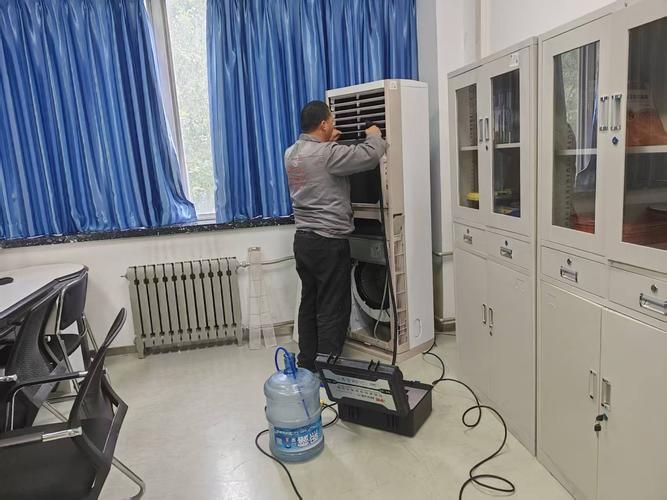
In today's urban streets, it's not hard to find a very different phenomenon。
New energy vehicles on the streets are becoming more dense and traffic flows are increasing and, as a matter of course, the car maintenance industry should have become more popular。
But the real situation is quite the opposite, with communities that have taken root and have operated for more than a dozen decades of old brand-built shops that are closing down in bulk. The trams, which have not completely replaced the fuel trucks, have taken the lead in the winter by following the traditional aerodynamics of their survival。
According to the latest industry data of the international union of the red cross and red crescent societies, the country's new energy vehicle penetration rate exceeded 62 per cent in may this year. For every 10 new cars that landed, more than six are new energy vehicles。
This intense car energy trajectories have changed not just the way we travel, but more directly the rules of survival of the entire post-car market. The first to fail is not a well-known gas station, but a roadway workshop in both urban and rural areas。
Three years of industry data are sufficient evidence of this radical change。
Between 2023 and 2025, the number of traditional fuel-carrying shops in the country fell sharply by almost 20 per cent and numerous small shops were completely out of the market. Many of the senior mechanics were impressed by the fact that, in the early years, they had earned more than 20,000 per month from oil maintenance and basic repairs, with a steady flow of visitors. But it is now often cold months, and occasional orders are simply tire replacements, chassis testing and little profit。
At the heart of the sharp drop in the supply of passengers is the hf quick maintenance project, where the fuel truck was completely cut off. A conventional fuel truck, each travelling 20,000 kilometres, requires multiple maintenance, covering a range of services such as oil, filtering, spark plug replacement, carbon clean-up, fuel switching in speed tanks, etc., starting with a single maintenance cost of $1,000. These regular conservation projects are the most stable source of income for traditional car shops。
The conservation logic of new energy vehicles is completely different。
At the same time, only simple battery inspections and the replacement of air-conditioning cores are required, with maintenance costs of less than $200 a year。
More critically, the power-recycling system on the train has significantly reduced the wear and tear of brakes, most of the vehicles have been driven to the end of their life and brakes need not be replaced. The core collection projects on which traditional car repair shops depend for their survival are almost completely wiped out by new energy technologies。
If the order shrinks is a surface dilemma, then the technology monopoly of a car company is a fatal blow to crush a traditional car shop。
The core lifelines of the new energy vehicle are concentrated in the battery, electric, electrical and control triple power systems, all of which fail-check, data reading, and system repair are locked in the car's encryption. Unauthorized street-gate shops, even if they are highly skilled, are unable to access system screening problems and do not have maintenance qualifications and operating privileges at all。
A previous case law in shanghai, moreover, poured a cold water on the entire industry. Two senior circuit maintenance technicians, who, with many years of technical experience, self-reconciled locks on locking batteries for the repair of accident vehicles, earned thousands of yuan in maintenance costs and were eventually sentenced in accordance with the law。
This case has led to a complete stalemate in the industry, the reluctance of skilled teachers to take orders, the reluctance of newcomers to enter the profession and the direct disruption of the industry's pool of talent。
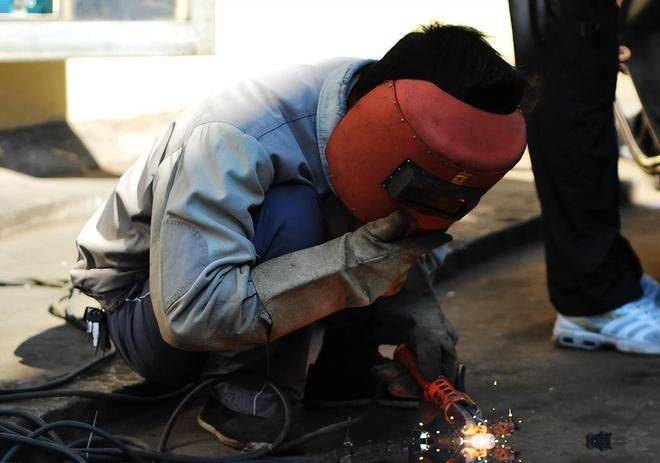
Behind the warranty of repair is a bare profit game. Data from the association for car circulation show that the share of maori in the sale of new energy vehicles is over 30 per cent, far above the margin of profit for the sale of new vehicles. New car market price wars have intensified, and the profits of car companies have continued to be reduced and are highly dependent on the exclusive after-sale system. Closed maintenance of ecology, high replacement costs for original plants are at the core of firm profits。
The ordinary car owners were the direct victims of this monopolistic game。
While many of the car owners suffered battery failure, even though it was a single module, small sensor damage, which could be solved with minor maintenance, the 4s store always requested that the battery packs be replaced as a whole, at a price of tens of thousands or even hundreds of thousands. Even if the owner knew that the offer was lower and the price was higher, he could not easily try it. Unauthorised maintenance is directly used as a whole guarantee, and insurance companies accept only the results of the original plant tests and the owner is completely deprived of the option of autonomous maintenance。
To break the industry monopoly, a new version of the new energy cell recycling and maintenance management scheme was officially landed last april. The policy explicitly requires that car companies open battery technology information to compliance third-party institutions, and industry measurements show that nearly 70 per cent of batteries are partially malfunctioning without the need to replace the package and that third-party maintenance can compress costs to between one and 30 per cent of the original plant price。
The policy appears to have opened the gap in market-based maintenance, with difficulties in moving forward。
The dual threshold of talent and equipment has blocked the vast majority of small and medium-sized car repair shops。
There are currently more than 30 million new energy vehicles in the country, fewer than 20,000 companies with compliance maintenance qualifications, fewer than 100,000 skilled professionals and a core talent gap of more than 800,000. It is difficult to quickly master new technologies such as high-voltage circuits and triple-testing, for middle-aged teachers to maintain fuel trucks. Young people are more inclined to choose low-threshold, fast-to-realization industries than to invest in new energy maintenance technologies at high cost。
Hardware inputs are more of a burden to small shops。
A standardized new energy maintenance capacity, with equipment, modifications and qualifications at the start of the process, would cost $200,000. The cost of such inputs is simply not affordable for most couples'shops and workshops. Added to this is the growing challenge of the sale of mines, with more than 20 new energy brands in the country now cut off and nearly 850,000 vehicles in the market in a state of repair. Customized fittings are out of supply and the post-sale system collapses, placing countless owners in a rights-based situation。
This industry change is similar to the logic of replacing functional machines with smartphones that year。
In the age of functional machines, the flowering of batteries and the repair of key stands have completely disappeared with the diffusion of integrated design of smart machines. New technologies have never been phased out by the product itself, but by a service package of old products。
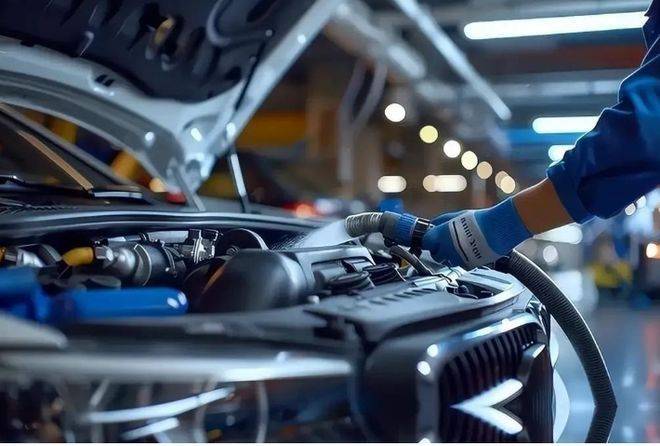
But the traditional car repair industry is not completely out of reach. Domestic fuel vehicle stocks remain large, with a large number of vehicles over six years old entering a period of high failure, general operations such as chassis maintenance, engine maintenance and tyre replacement, and a stable market. At the same time, the first new energy vehicles are moving away from the plant's quality assurance and the non-triple power infrastructure maintenance project will release large-volume market orders as a new breakthrough for small and medium-sized car repair shops。
Trade shuffles continue, and while monopolistic barriers are loose, it will take a long time to fully open up the market for ecological maintenance。
When technological trajectories speed up and fail to keep pace with changes in rules, practitioners are doomed to age. In the midst of a wave of full access to new energy sources, the question remains as to whether the old carpentry industry will be able to break the monopoly, complete the transition, and hold the street-side pyrotechnics in place。