We often hear of “maintenance of cars”, but what exactly does the specific maintenance include? What maintenance is required and what is measured by mileage or time? What specific items are covered by each maintenance? These issues may not be clear to many. Today, i will present you in detail so that, when asked by others, you will be able to respond in such a way as to avoid embarrassment。
Specific aspects of vehicle maintenance include:.

The vehicle maintenance system consists mainly of routine maintenance, regular maintenance (including level i maintenance, level ii maintenance) and occasional maintenance. Of these, primary maintenance is centred on tight and lubricant, while secondary maintenance focuses on inspection and adjustment. The core elements of vehicle maintenance can be summarized as cleaning, checking, securing, lubricating, adjusting and resupply。
Cleaning includes the removal of sewage from the outside, interior and parts of cars. The inspection covered the presence of rust, loosening, loss, deformation and leakage of oil, water, gas, electricity etc. In the relevant parts of the vehicle. Resupply mainly involves the replenishment and replacement of fuel, engine lubricants and cooling fluids, brake fluids and battery electrolytes. Lubrication involves the insertion or replacement of lubricants or lubricant for engines and their accessories, the main sum of chassis and other parts。
Daily maintenance focuses on cleaning and external inspection, including pre-departure, en route and post-entry maintenance, with the main elements of cleaning, tightening and resupply of oil and water。
Regular maintenance is carried out to determine specific maintenance items based on vehicle mileage or use interval, generally at the vehicle warranty or repair plant. The first level of maintenance, which is centred on lubrication and rigidity, is generally carried out at intervals of 7,500 to 15,000 km or six months, as recommended by the car manufacturer, whichever is achieved, and is carried out by professional maintenance workers, including, in addition to routine maintenance, the replacement of engine oils and oil filters, the examination of cooling fluids, brake fluids, transformers, gear oils within the motor bridge, the examination of batteries and brake systems, and the performance of the transition system. On this basis, secondary maintenance further checks and adjusts the performance of vehicle systems。
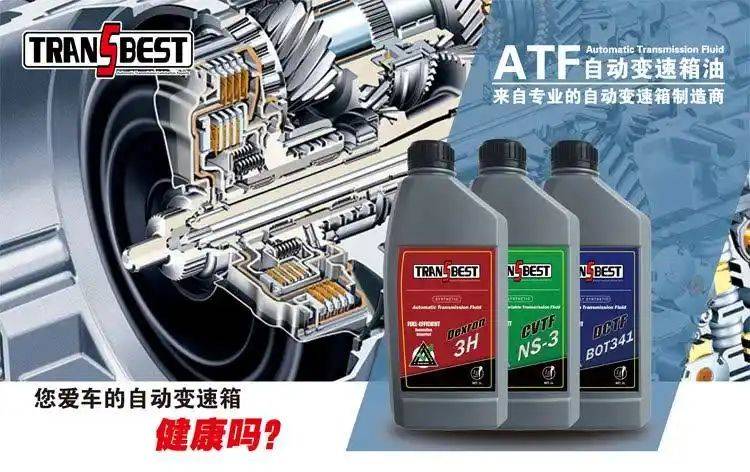
Level ii maintenance
Secondary maintenance is a primarily inspection-oriented maintenance project, usually mandatory after a longer mileage. The second level of maintenance should be preceded by vehicle detection diagnostics and technical evaluation. When the vehicle is travelling about 15,000 km or has been used for 12 months, it must be thoroughly inspected and adjusted to ensure that the vehicle is safe, dynamic and economical in its use. In addition to the operational items comprising the first level of maintenance, the second level of maintenance includes the following:
Cleaning or replacing air filter cores and spark plugs。
2. Check the tightness of the time belt and generator belts and make the necessary adjustments。
3. Check the thickness of brake friction blades and replace them as necessary。
Examination of various types of liquid, such as cooling fluids, brake fluids, gear oils, motor-directed hydraulic fluids, etc., and replacement in case of deterioration and addition in insufficient quantities。
5. Check and tighten into vents, bolts and screws of the total silencer。
6. Check the main bearings of the warp axes, the collage bearings, and tighten their bolts and bolts; check also the clutches and the lubricating separation bearings。
7. Check the securing of components such as transmission gearers, transmission axes, all-way and intermediate bearing axes and lubricate the relevant parts。
8. Adjustment and inspection of manual brakes, front and rear wheel brakes, brake subpumps and brake hoses。
9. Check the free-turn drive of the wheel。
10. Check pre-, pre-, post-, defibration and rotor and adjust the front beam of the wheel。
11. Examination of tyres and exchange of tyres。
12. Inspection of horns, signal lights, lights, transformers and electrical instrument circuits。
13. Replacement of engine lubricants。
Pre-maintenance testing diagnostic projects include:
1. Ignition system parameters such as contact closed angles, subwire overlapping angles, ignition voltage and ignition forward angles。
Engine power tests, such as loadless power, balance of tank power, etc。
3. Activate system parameters such as activated current and activated voltage。
4. Cylinder sealing tests, such as cylinder pressure, rotor case gas, etc。
5. Gas-filling phase checks, such as opening and closing angles of the vent door。
6. Engine acoustic detection, e. G., warp bearings, joint bearings, etc。
7. Surface condition checks of cylinders, such as carpentry marks, piston burns, etc。
8. Analytic analysis of motor oils, such as trace contamination indices, moisture, flash points, etc。
In addition, the engine, the switch system, and the transmission system are also included. For example, engine oil, water seals, oil leaks before and after warp axes, radiators, etc。
The diagnostic project for secondary maintenance is detailed and covers several important parts of the vehicle to ensure optimal performance and safety。
Non-regular maintenance programmes for driving systems and instrument signals
In the area of driving systems, attention is paid to tire grinding, steel plate springs and car frame fractures. For instrument signals, pay attention to oil pressure, cooling temperature, engine charge instructions, etc. Non-regular maintenance projects are determined on the basis of the special circumstances of the vehicle and can be divided into joint maintenance, seasonal maintenance, stop maintenance, etc。
The first phase of operation of a new vehicle or of a post-repair vehicle, also known as a grinding period, is typically 10 ~ 1500 km. This phase of maintenance is divided into initial, medium-term and later maintenance. In the initial phase, maintenance is usually carried out within 300 km of vehicle travel, mainly to check whether the vehicle has been exposed to oil spills, water leaks, whether the total quantity of lubricant for engines is sufficient, whether the cooling fluids are sufficient, whether the various sections are connected and secured, whether the lights are complete and whether the instrumentation and indicator lamps on the dashboard are normal。
Medium-term maintenance usually takes place at about 1,500 km of vehicle travel, including the hood of the cylinder, the rigidization of the vent bolt, the replacement of engine lubricating oil and oil filter filters, and the tightness, lubrication, etc. In addition, the brake pedals, the clutch pedals are to be checked, adjusted and the speed limit sheets removed。
The end-of-the-life maintenance is carried out when the new vehicle moves 2500 km, including cleaning the air filter and replacing the filter core, cleaning or replacing the petrol filter, releasing the sediment from the fuel tank, checking the flaccidness of the transfer belt in the fans, pumps, generators, etc., and thoroughly inspecting the vehicle and performing the necessary resupply, adjustment, tightening, etc。
Seasonal change maintenance refers to targeted maintenance of vehicles based on seasonal variations. Since car use is influenced by seasonal climate temperatures, maintenance measures vary from season to season. The maintenance of winter and summer is essential to prolong the life of vehicles and to ensure safe travel. Seasonal maintenance is divided into winter maintenance and summer maintenance。
Winter maintenance, usually carried out in late autumn and early winter, is designed to adapt vehicles to low temperatures. The main projects include: cleaning fuel tanks, checking cooling fluids and shutters, replacing lubricants and fuel with regional requirements, cleaning batteries and adjusting electrolytic fluid density (non-maintenance batteries), as well as checking heating units, ventilation and water discharge switches, and checking engine cold starters。
There are also specific maintenance methods for vehicles that are temporarily inactive. For example, vehicle maintenance should be suspended for vehicles that are not in use for more than a week but have not been sealed. The following maintenance should be carried out every 10 days or so for the duration of the vehicle's temporary storage: whole vehicle cleaning, examination of tyre pressure, start-up of the vehicle to allow the engine to be fully lubricated and battery charged。
For long-term sealed vehicles, a range of maintenance is also required prior to storage, such as engine lubricants and cooling fluids, clean air filters, leak removal and full body cleaning. During the storage period, vehicle dust is removed every half month, tire pressure is observed, engines are operated once a month, etc。
When permanently sealed vehicles are activated, care should be taken to check the conductivity of the electrical component and the normality of the light, switch and brake systems. The performance and safety of vehicles in different seasons and storage conditions can be ensured through appropriate seasonal shifts and storage maintenance。

Vehicle maintenance lamps are a form of signpost installed on the vehicle dashboard, and when the vehicle reaches a certain distance, they are activated to alert the owner of the vehicle for maintenance. The light is activated automatically if it is not maintained at the specified mileage. Upon completion of the maintenance, the maintenance light will not automatically be extinguished and a specific method will have to be applied to zero. When zero, the mileage of the next maintenance cycle will be calculated to provide the owner with a hint for the next maintenance. Cars of different types operate in different ways to maintain the light to zero。