Physico-chemical properties of trichlorophosphorus
Density: 1. 8 ± 0. 1 g/cm3
Boiling point: 105. 3 ± 9. 0 °c at 760 mmhg
Melting point: 1. 25 °c (lit.)
Molecular formula: cl3op
Molecular weight: 153. 332
Flash: 105. 8°c
Accurate quality: 151. 875229
Psa: 26. 88000
Logp: 1. 26
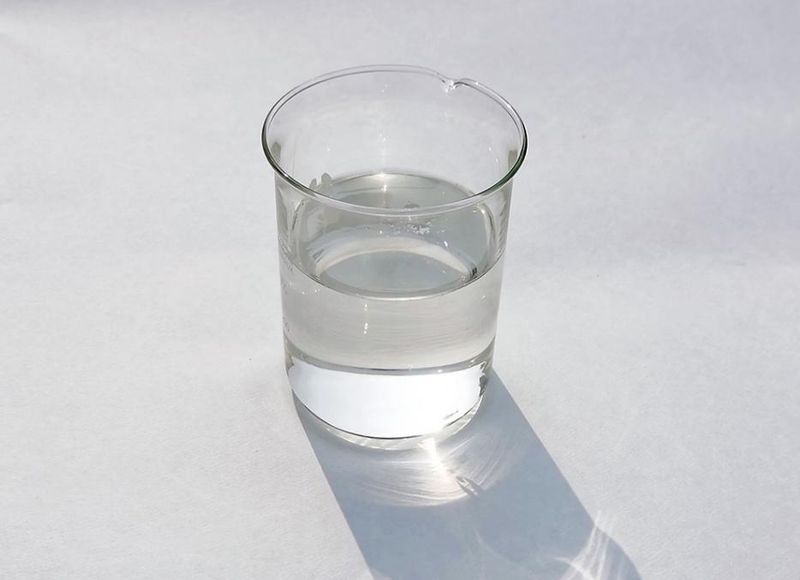
Appearance: transparent to light yellow liquid
Vapour density: 5. 3 (vs air)
Vapour pressure: 34. 6 ± 0. 2 mmhg at 25°c
Refraction rate: 1. 453
Storage conditions:
Storage alerts are stored in cold, dry and well-ventilated specialized storage rooms, with a “two-man, two-man, two-man” system. Stay away from the fire, the heat. Courage does not exceed 30°c and relative humidity does not exceed 75%. Packaging must be sealed so as not to be damp. Separated from reductive agents, activated metal powders, alcohols, etc., should be stored to avoid mixing. The storage area should be equipped with leak response equipment and suitable shelter materials。
Stability:
1. Red yellow when dissolved with chlorine gas or phosphorous pentachloride, and white smoke when exposed to humid air, i. E. Hydrolysed to produce phosphate and hydrogen chloride. Water and alcohol are decomposed and large amounts of heat and hydrochloric acid are released, irritating the eyes。
2. Stability
3. Prohibition of formulations force reduction agents, activated metal powder, water, alcohol category
4. Conditions for avoiding exposure
5. Syndication hazard
Decomposition products chloride, phosphorous oxide
Ii. Main uses:
Trichlorophosphorus has important applications in several areas, including:
1. Organic synthesis: used as a phosphorus and chlorine source for synthetic phosphate, carbamate and other multiple organic compounds。
Pharmaceutical industry: used in synthetic drug intermediates such as antibiotics, painkillers, etc。
3. Pesticide production: is an intermediate of many pesticides, especially the synthesis of herbicides and pesticides。
4. Cosmetics: used as additives in some cosmetics。
Electronic materials: special compounds used in the manufacture of optical fibres and semiconductor materials。

Iii. Description of synthetic routes:
There are two main methods of synthesis of trichlorophosphorus:
1. Phosphorus and chlorine gas reactions:
P + 3cl 2 \\rightarrow pocl 3 + 2pcl 3
This method is usually carried out at high temperatures and reacts to the generation of trichlorophosphorus and trichloride。
2. Phosphate and hydrogen chloride reactions:
H 3po 4 + 3hcl\rightarrow pocl 3 + 3h twenty
This process produces trichlorooxyphosphorus and water through phosphate and hydrogen chloride reactions, suitable for laboratory-scale synthesis。
Iv. Use care:
In the use of trichlorophosphorus, particular attention should be paid to the following:
Protective equipment: appropriate protective equipment, including gloves, goggles and masks, should be worn to avoid the irritation of skin and eyes。
Ventilating environment: ensure that it operates in a well-ventilated environment and avoids inhalation of its vapour。
Avoid exposure to water: exposure to water is avoided because the water reaction releases hydrogen chloride, resulting in corrosive gases。
Addressing leakage: in the event of leakage, prompt measures should be taken to clean up and use appropriate materials in combination。
Transport and storage:
Transport and storage of trichlorooxyphosphorus is subject to strict safety norms:
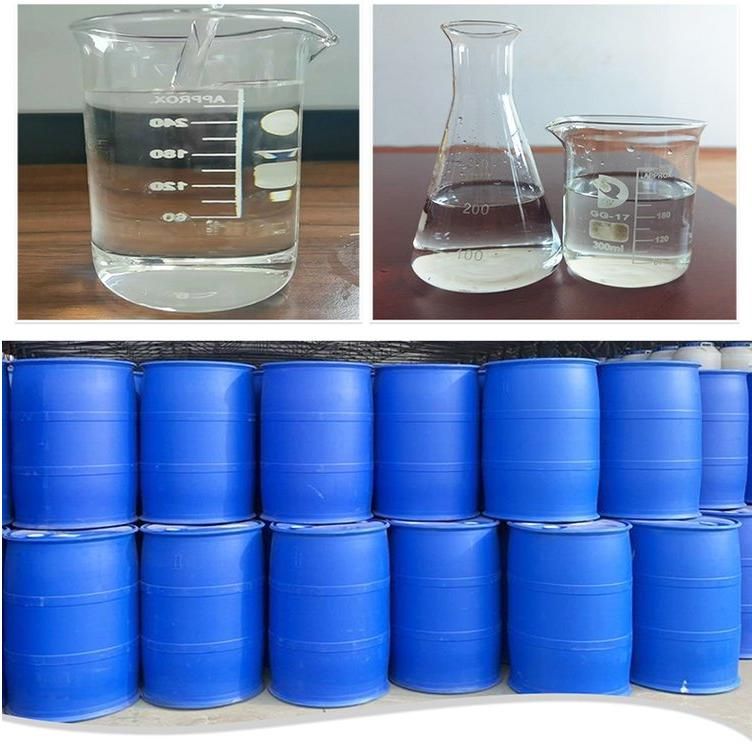
Transport requirements: packaging and labelling in accordance with dangerous goods transport requirements, and the transport of water and flammable substances is strictly prohibited。
Storage conditions: should be stored in cold, dry and ventilated areas, far from heat sources and strong acid。
Packaging selection: use a corrosive sealed container, which should be inspected periodically to prevent leakage and corrosion。
Conclusions
Trichlorooxyphosphorus has a wide range of applications and significant economic value as an important chemical feedstock. Understanding its fundamental attributes, synthesis methods and safe use measures is essential to increase the efficiency of its application and ensure operational safety. In practical applications, it is important to follow the relevant safety protocols to ensure the safety of persons and the environment。