In december 2025, the beijing intellectual property court completed a symbolic relocation of its office address from the 18th crown building of the seatian district zone, to 9th of the 3rd rim south road to the west of the tondai region, and officially opened its new site as of 8 december 2025. Relocation is a spatial migration, but it is more like a sign of transformation, born of a specialized court in the reform of the intellectual property justice system, which, after 11 years of operation, has become more than a “situation”, but rather a window of view of the development of china’s judicial role in intellectual property。
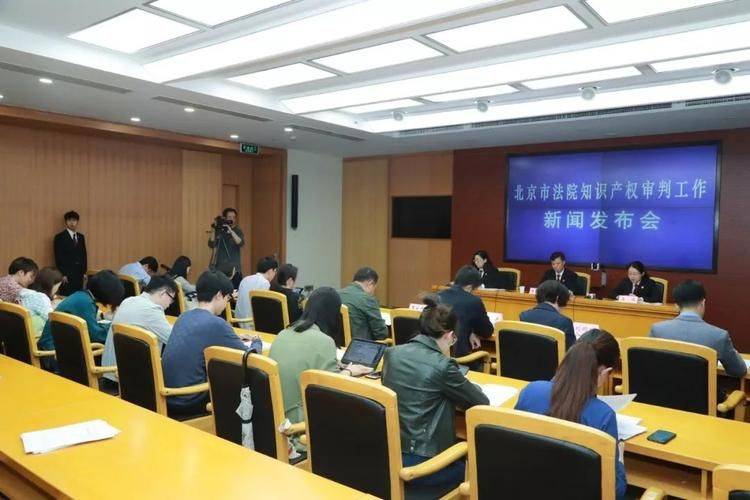
On 21 april 2026, the first world intellectual property day after relocation, the beijing intellectual property court held a press conference on 2025 cases, focusing on 10 annual cases and 9 annual nominations. The release itself has many bright spots, but more valuable is that, if it is to be placed in a long-term development observation for more than a decade, it is not simply a “sun case” but rather a demonstration of how the beijing intellectual property court will understand innovation, calibrate competition, and shape expectations。
The establishment of the beijing intellectual property court is itself an important point in china's intellectual property justice reform. Unlike the general intermediate courts, the beijing intellectual property court has, from the outset, assumed a more specialized and rule-based function, in particular with clear “national” and “ruleal” standards in administrative cases such as patents, trademarks and so forth. This is also true, as it is the institutional testing ground and the output end of rules in china's intellectual property rule-of-law system。
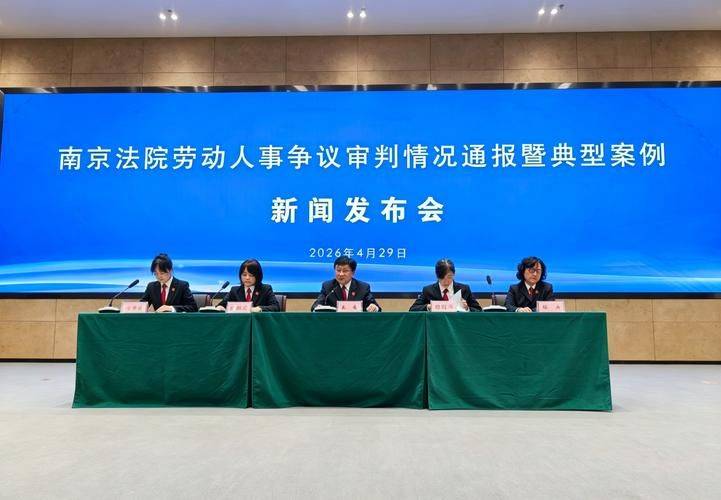
Over the past 11 years, the development of the beijing intellectual property court has gone through approximately three stages. Initially, it addressed the question of “where cases are heard and by whom”, a pilot of a system of centralized and professional jurisdiction in intellectual property cases; subsequently, it began to address the question of “how complex technical cases are tried and how new types of competitive conduct are judged” through technical investigators, specialized judicial mechanisms and a continuous response to new types of cases; and in the next two years, it has increasingly placed itself in the position of “suppliers of rules”, translating case decisions into rules of justice that can be disseminated, expected and followed through thematic cases, special white papers and annual case systems。
If we look back at the publicity of the beijing intellectual property court around “4/26” in recent years, the above leads will be clearer. Rather than merely expressing its position in adjudicative instruments, it has evolved into a conscious act of “dissemination through the publication of press-led rules”, continuing to produce thematic cases and white papers on new issues such as science, technology and innovation, and data competition. The beijing intellectual property court's annual case 2024 was officially published for the first time in april 2024, and it is clear that the previous year's typical case has been published in april each year since that year; by the time the 2025 case was published this year, the mechanism was in its second year. In other words, the change in the beijing intellectual property court over the years is not only about the number of cases it has heard, but also about its increasing initiative to translate trial experience into social rules and into market language。
It is against this background that this year's publication of the case goes beyond the “ten cases on merit”. In terms of public information, this group of cases was formed from the best results of nearly 29,000 cases in force in 2025, covering the four core areas of patent, trademark, copyright, competition monopoly, focusing on the key tracks of artificial intelligence, biomedicine, data elements, platform economy, seed industry protection, cultural creativity and antimonopoly. Together, they send a clear signal that today's intellectual property trials are no longer merely ex post facto judgements between rights holders and infringers, but are calibrated in a more sophisticated system between frontier industries, platform order, data flows and incentives for innovation. Intellectual property justice has moved from “after-action resolution” to a new phase of “pre-emptive shaping of expectations, calibration of order, and post-settling rules”。
Looking at these cases, the judicial expression behind them is complete。
On the one hand, the court is emphasizing the protection of “real innovation”. Whether the identification of competitive interests in the structure and parameters of the ai model, the refinement of the creative judgement of the chinese combination “activate” or the protection of the fruits of seeding, medicine and data processing, are releasing signals of support for real r&d inputs, real technological contributions and real industry values。
On the other hand, the courts are also defining the rules of “psychological innovation” and “abuse of rights”. From the conclusion of a monopoly agreement by the operator of the organization of the trade association to the mass defence of the “proprietary issue”, to the attempt to legalize the trademarks with pirated flow symbols, to improper seizure and deviance in the platform scene, to be included in the negative list of adjudicative rules. The protection of innovation no longer means taking everything in the name of “intellectual property rights”; rather, it requires courts to draw a clearer boundary between incentives for innovation and prevention of abuse。

This was also the most significant change in the beijing intellectual property court compared with its initial establishment. The early beijing intellectual property court, more like a “centralized jurisdiction” in the framework of reform, is today becoming more and more like a specialized court for rule-making through case law and rule-making. Its role has shifted from “to finish the case” to “to clarify the matter”. It answers not only who wins a particular case, but also whether artificial intelligence models are protected, when data are accessible to the public, how much attention should be given to the obligations of the platform, how geographical indications are coordinated with common trademarks, and where the boundaries of trade associations operate. That is why this year's publication is sending a clearly understood set of judicial signals to innovation subjects, platform enterprises, industry organizations and administrations, rather than demonstrating results。
From the promotion road to the western ring. In the past, the court's coordinates were in the case; now, its coordinates are extending beyond the case to link the rule of law and development. In general, three positions have been established in the judicial proceedings concerning intellectual property, which were published on behalf of china. First, it is a service provider of national strategies, closely linked to technological self-reliance, industrial upgrading, the unification of large markets and seed security, understood in the strategy of bringing intellectual property justice into the country's innovative development; secondly, it is a producer of front-line rules, pre-empting new issues such as ai, data, platforms, medicines, etc., and distilling case-by-case experience as a judicial standard to be followed; and thirdly, it is a calibrator of the market order, which rewards real innovation and combats abuse of rights, piracy, platform failures and industrial collusion。
The real value of this annual case published by the beijing court of intellectual property rights is reflected not only on the jurisprudence of the past year, but also on the future posture of intellectual property justice in the shaping of innovative ecology and market order。