Theoretical examination papers and answers for the red cross ambulance training course
Name: **
I. Selected topics (10 in total)
1. The best way to determine the state of consciousness of the wounded in emergency care? ( )
A. Observation of the breathing of the wounded
B. Slash and call the wounded
C. Examination of pulses
D. Observation of the injured
2. Cardiac arrest, first emergency response? ( )
A. Gas tube intubation
B. Open airways
C. Artificial respiration
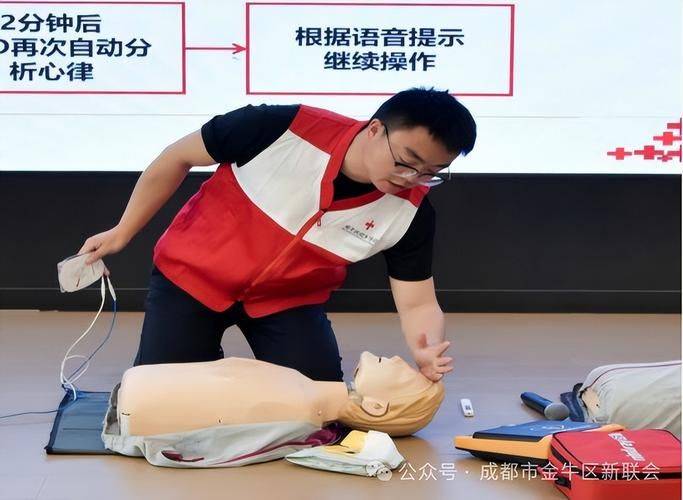
D. Cardiopulmonary resuscitation (cpr)
3. What should be the frequency of external pressure/minutes for cpr to the injured person? ( )
A. 80-100 minutes
B. 60-80 minutes
C. 100-120 minutes
D. 120-140 minutes
4. In the case of burn patients, which of the following treatment methods is incorrect? ( )
A. Keeping the burns clean and dry
B. Use of cold water to wash burns
C. Toothpaste or soy sauce on burns
D. Maintaining burn exposure
5. What circumstances, if any, do the following indicate that the injured person may have suffered a fracture while in the care of the wounded? ( )
A. Severe pain in the wounded
B. Wounded or swollen
C. Limited movement of the wounded
D. All the above
6. How is it correct to open the airways of the wounded when cpr takes place? ( )
A. Fingernails to crush the injured person's throat
B. Under the cheekbone of the injured person
C. Back of the head, down of the hip
D. Heads up, hips up
7. In dealing with haemorrhage, what methods are the following? ( )
Direct oppression to stop the bleeding
B. Use of tourniquets to stop bleeding
C. Pressure on the upper artery of the wound
D. Use of alcoholic cotton balls to wipe wounds
In first aid, what measures should be taken if the injured person has a respiratory barrier? ( )
A. Cardiopulmonary resuscitation
B. Artificial breathing
C. Heimlichmaneuver
D. Light patting on the back and calling
9. What should be the duration of each blowout for cpr? ( )
A. 1 seconds
B. 2 seconds
C. 3 seconds
D. 4 seconds
10. When treating the wounded, what would indicate that the injured may have died? ( )
The wounded are not breathing
The wounded have no pulse
C. No response from the wounded
D. All the above
Ii. Multi-selection topics (5 in total)
11. What are the following steps in the cpr process? ( )
A. Identification of site security
B. Examination of casualty awareness
C. Performing chest pressure
D. Artificial respiration
E. Continuous observation of casualty response
12. What are the following measures for dealing with patients with burns? ( )
A. Keeping the burns clean and dry
B. Use of cold water to wash burns
C. Toothpaste or soy sauce on burns
D. Maintaining burn exposure
E. Use of antibiotics to prevent infection
13. What are the following possible indications of fractures in the rescue of the wounded? ( )
A. Severe pain in the wounded
B. Wounded or swollen
C. Limited movement of the wounded
D. Wounded skin
E. Physical deformation of the wounded
Which of the following measures are correct in dealing with haemorrhage? ( )
Direct oppression to stop the bleeding
B. Use of tourniquets to stop bleeding
C. Pressure on the upper artery of the wound
D. Use of alcoholic cotton balls to wipe wounds
E. Keep the wounded quiet
15. In first aid, which of the following situations may require an immediate call? ( )
A. Loss of consciousness among the injured
B. Severe respiratory difficulties
C. Severe haemorrhaging
D. Cardiac arrest
E. Minor bruising of the wounded
Iii. Filling out of the question (5 in total)
16. Cpr should reach at least the depth of each ecstasy pressure。
17. In determining the state of consciousness of the wounded, the first should be 。
In the case of burn patients, the correct treatment is that the immediate use of cold water to wash the burn area should last 。
19. In dealing with fractures, should be avoided in order to avoid further harm。
In first aid, for patients whose breathing and heartbeat stop simultaneously, the procedure should be conducted first。
Iv. Questions of judgement (5 in total)
In emergency care, alcohol can be used to disinfect wounds in all circumstances. ( )
A. Correct b. Errors
22. In the event of a cardiac arrest, only medical personnel can perform cpr. ( )
A. Correct b. Errors
23. When dealing with burn patients, the burns should be covered immediately to prevent further heat damage. ( )
A. Correct b. Errors
24. In the case of cpr, if the injured are not breathing, there should be immediate artificial respiration. ( )
A. Correct b. Errors
25. In the event of a fracture in the casualty's condition, the injury should be fixed at a higher level than the injury. ( )
A. Correct b. Errors
V. Simplicity (5 topics)
26. Briefly describe how the state of consciousness of the wounded is assessed in emergency care。
27. Describe in detail the basic steps of cpr。
28. What needs to be noted when dealing with burn patients
29. How can the tourniquets be used correctly when treating the wounded
30. In first aid, how is it determined that there was a fracture in the injured person
Theoretical examination papers and answers for the red cross ambulance training course
I. Selected topics (10 in total)
1. [answer] b
[scrutinizing] the injured person's shoulders and calling for a determination of whether the injured person is conscious, while other options are important tests in first aid, they are not the best way to judge the state of consciousness。
2. Answer d
The [decomposition] heart arrest should begin with cpr, including ecstasy and artificial respiration. Open airways and pipe intubation are measures that follow the cpr。
3. A
[decomposition] for cpr, the external pressure should be 80-100 times/minute to ensure effective heart pressure。
4. Answer c
[disarmament] burn patients should not be coated with toothpaste or sauce, as this may aggravate the burns. The correct approach is to keep the burns clean and dry, to wash them with cold water and to maintain exposure to prevent infection。
5. Answer d
When [deconstructed] fractures occur, severe pain, blood silt or swelling, movement restrictions, etc. Are common. These circumstances therefore indicate that the injured may have suffered a fracture。
6. [answer]c
The correct approach is to retrace the head and press down to the hip so that the air can be opened and the air can enter the lungs of the injured。
7. Answer d
The use of alcohol cotton balls to wipe wounds is incorrect because alcohol can increase the risk of infection. The correct methods of stopping the bleeding include direct oppression, the use of tourniquets and pressure on the upper artery of the wound。
8. Answer c
When there is respiratory obstruction, the abdominal pressure (heimlichmaneuver) should be used to help extricate the alien。
9. "answer" b
[disarmament] when performing cpr, each blow should take two seconds to ensure that sufficient oxygen reaches the injured person's lungs。
10. Answer d
The failure to breathe, to pulse and to react may be signs of death. In such cases, cpr should be conducted immediately。
Ii. Multi-selection topics (5 in total)
11. Abcd
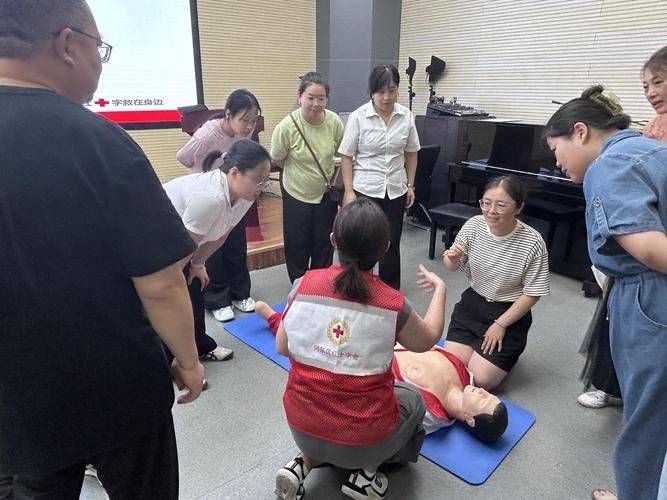
When [dialysis] is performed for cpr, first the site is identified as safe, then the awareness of the wounded is checked, followed by external pressure and artificial respiration, and continuous observation of the injured response。
12. Abde
[disarm] burn patients should keep their burns clean and dry, use cold water to wash them to relieve pain and keep exposure to prevent infection, but should not be coated with toothpaste or soy oil, as they may aggravate the burns。
13. Abce
When [deconstructed] fractures occur, the injured usually exhibit severe pain, blood silt or swelling, movement restrictions and deformation. Skin wounds are not necessarily a direct sign of fracture。
14. Abc
When dealing with haemorrhages, [dissociation] should be directed at stopping the bleeding, using a tourniquet, squeezing the artery above the wound and keeping the wounded quiet. The use of alcohol cotton balls to wipe wounds was incorrect, as alcohol could increase the risk of infection。
15. Abcd
[discussion] in first aid, if the injured person suffers from loss of consciousness, severe respiratory difficulties, severe haemorrhage or sudden heart stoppage, call the first aid phone immediately. Minor scratches usually do not require immediate calls for emergency calls。
Iii. Filling out of the question (5 in total)
16. Five centimeters
The depth of [decomposition] chest pressure is a key factor in the cpr operation to ensure that blood can be recycled more effectively at a pressure depth of at least 5 cm。
17. "answers" softly on the shoulder and calling out to the wounded
A light [discussion] of the injured person's shoulder and call is the first step in determining the state of the injured person's consciousness, and further assessment should continue if the injured person does not respond。
18. 10-15 minutes
[alysis] cold water washing can help to reduce burn pain and heat damage, usually recommended for 10-15 minutes。
19. Whether or not to move the wounded
When dealing with fractures, the movement of the injured should be minimized to avoid possible secondary injuries, such as neurological or vascular damage。
20. [the answer] cardiopulmonary resuscitation (cpr)
When the breathing and heartbeat stop at the same time, the cpr should be performed immediately to maintain the blood cycle and oxygen supply。
Iv. Questions of judgement (5 in total)
21. Errors
[dissect] alcohol has a poor effect on the wound and may stimulate the wound, often using iodized volts or saline water to disinfect the wound。
22. Errors
[disarmament] even non-medical personnel can perform cprs, especially in cases of heart failure, where early cprs can significantly improve survival。
23. Correct
[disarmament] in the case of burn patients, clean cloth or other cover should be immediately covered to reduce further heat damage and prevent infection。
24. Correct
[as a result of cpr, if the injured person is not breathing, he/she should immediately undergo artificial breathing to provide the necessary oxygen。
25. [answer] error
When dealing with fractures, the limbs should be fixed at a lower level than the wound in order to reduce obstacles to blood circulation。
V. Brief answers (5 in total)
26. In emergency care, [the answer] is to assess the state of consciousness of the injured person, including by taping the injured person's shoulder and calling his name to see if the injured person is responding; shaking the injured person's shoulder to check for consciousness; and examining the breathing and pulse of the injured person. If the injured person is not responding, is not breathing or has no pulse, cpr should be performed immediately。
Accurate assessment of the state of consciousness of the injured is essential for the timely delivery of the right first aid, avoiding unnecessary risks and delays in treatment。
27. The basic steps of [the answer] cardiopulmonary resuscitation (cpr) include: 1. Identification of safety on the scene; 2. Examination of the consciousness of the wounded; 3. Implementation of an outer chest pressure with a pressure depth of at least 5 cm with a frequency of 100-120 per minute; 4. Open airways to ensure the flow of the respiratory tract; 5. Conduct of artificial breathing for approximately one second each blow to ensure that sufficient gases enter the lung。
[discussion] the basic steps of mastery of the cpr are essential for the care of patients whose heart breaks, and can maximize their lives until the arrival of medical professionals。
28. [answer] in dealing with burn patients, the following needs to be noted: 1. Do not put toothpaste and soy sauce on the burn area; 2. Use cold water to wash the burn area to relieve pain and reduce heat damage; 3. Keep the burn area clean and dry to prevent infection; 4. If the burn area is large or deep, medical attention should be provided as soon as possible。
Proper treatment of burn patients can alleviate their suffering, prevent infection and create conditions conducive to subsequent treatment。
29. [the answer] in the treatment of the injured, the following methods are used: 1. Selection of the appropriate location above the wound; 2. Use of the tourniquet or bandages to entangle the upper part of the wound; 3. Ensuring that the tourniquet is loose and suitable to effectively stop the bleeding without being too tight to cause tissue damage; 4. Recording the time and location of use of the tourniquet so that medical followers can understand it。
The correct use of the tourniquet would effectively control the haemorrhage, but it would need to be handled carefully to avoid unnecessary harm to the injured。
30. [the answer] in first aid is to determine whether there has been a fracture of the injured person: 1. To observe whether the injured person has suffered severe pain; 2. To examine whether the injured person has silt or swelling; 3. To observe whether the injured person's activities have been restricted; and 4. To examine whether the injured person has been deformed. If the injured person has one of these symptoms, a possible fracture should be considered。
The timely determination of a fracture of the injured person would facilitate the correct emergency response to avoid further damage and inform subsequent treatment。