In the context of population ageing, older and middle-aged persons are increasingly undergoing replacement surgery as a result of hip lesions. A number of patients mistakenly think that “replacement of joints is once and for all” and ignore the details of post-operative care, which leads to various types of complications。
The replacement of hips is not a complex operation. It is essentially a replacement of damaged hips with artificial joints to help patients with pain relief and restoration of joint functions. It is a mature way of clinically treating serious hips, while the quality of post-operative care is a direct decision to recover。
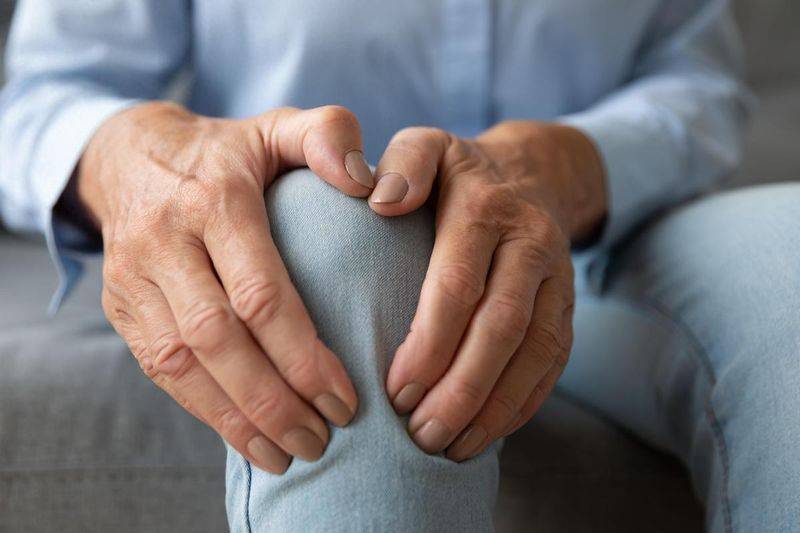
Post-operative position management is the first line of defence to avoid artificial dissociation and is the most easily neglected link. After the surgery, many patients turned around and sat in inappropriate positions, burying themselves quietly and leaving behind the danger。
More than 80 per cent of the approximately 1 to 3 per cent of the incidence of post-hysterectomy decomposition is related to inappropriate position, especially in the first three months of operation, where the soft tissue around the joint has not yet been fully healed and more careful。
Central to the management of the position is the avoidance of excessive cortex, incisiveness, internal rotation and, more generally, post-optimal leg-scratching, leg-scratching, and no bending to pick up heavy objects。

I suggest that a pillow be placed between the legs while sleeping after the surgery, and that the legs be separated; that the seat be chosen from a chair of moderate height, so that the hip is not lower than the knee, that the body rises on the side, and that the arm be used to support it more securely。
Post-operative pain does not have to be carried out so that scientific pain relief can help recover. Reasonable pain relief not only enhances post-operative comfort, but also avoids imperviousness due to pain, thus preventing stiff joints。
In cases of poor post-operative pain control, the restoration of joint function may be extended by more than 30 per cent and may be accompanied by anxiety, insomnia, etc., indirectly affecting the overall rehabilitation rhythm。

Post-operative pain can be divided into two main categories: severe oral pain, which is gradually reduced by 1-2 weeks after the surgery, and deep joint pain, which can last for 1-3 months, both of which require scientific intervention rather than mere patience。
When pain is light, it can be alleviated by deep breath and by listening to music; if pain is evident, medical advice must be strictly followed for non-inflammatory drugs such as broven, acetaminophenol, etc., and do not increase or stop。
Rehabilitation needs to be gradual and quantitative. There can be neither a rush to a successful, over-movement nor a long-term lack of mobility, leaving muscles to shrink, and moderate exercise can gradually restore joint functions。

The early recovery exercise after the hip replacement can increase the recovery of the function of the joint to more than 90 per cent for six months after the surgery and effectively reduce complications such as muscle atrophy and rigid joints。
Rehabilitation needs to be advanced in stages, with an ankle pump movement being carried out one or two days after the operation to facilitate the circulation of the blood; a week or so after the operation, exercise to raise the straight leg and enhance the muscle strength of the thigh。
The core principle of exercise is “without causing severe pain”, with initial exercise of 5 to 10 minutes each, followed by a gradual increase in length and intensity, avoidance of intense exercise, timely rest after exercise and elimination of overwork。

Prevention of post-operative infections is a top priority, and if infection occurs, it not only prolongs recovery, but may also lead to a loosening of artificial joints, even requiring a second operation。
The incidence of post-hematological infections is about 0. 5 to 1. 5 per cent, which, although not highly probable, is extremely harmful and no signs of post-opposure infection can be taken lightly。
Post-operative infections are typically characterized by oral haemorrhage, seepage, fever, or continued pain in the joint, limited activity, which, if they occur, requires immediate medical attention without delay。

In day-to-day care, mouths are kept clean and dry so as to avoid water contamination and contamination; antibiotics are strictly observed to prevent infection and cannot be stopped; and access to densely populated public places is minimized to reduce the risk of infection。
The diet seems irrelevant and is a “nutrient support” for rehabilitation. A reasonable diet can provide adequate nutrition to the body and accelerate the healing of soft tissues and bone repair, which cannot be overestimated。
Sufficient proteins, calcium and vitamin d ingestion after the operation can reduce the length of soft tissue healing around the joints by 20 per cent, while reducing the risk of osteoporosis and the possibility of a loose artificial joint。
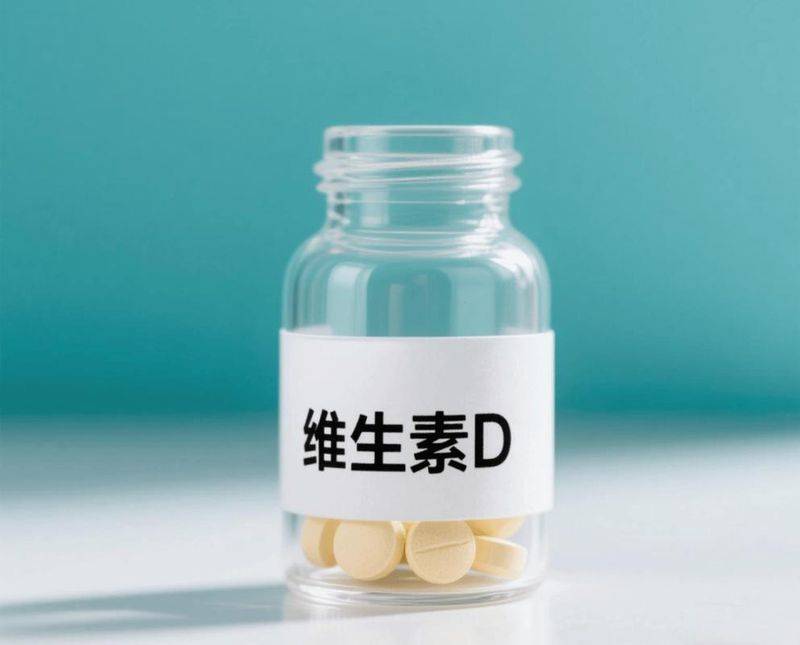
Protein can select eggs, milk, skinny meat, beans, etc., calcium can be fed with a focus on shrimp skin, sesame sauce, green leaf vegetables, etc., and vitamin d can be absorbed with more sun-burning, helping calcium。
And we need to avoid high sugar, oil, salty diets, less spicy stimuli, and stop smoking and drinking. - alcohol and tobacco can affect blood circulation and tissue healing and slow the recovery process。
Excessive weight is avoided in order to extend the useful life of the artificial joints. Many patients are anxious to resume normal activities after the operation and bear a premature burden, resulting in accelerated wear and tear of artificial joints and shorter life periods。
The active life of artificial hips is closely related to weight, normally up to 15-20 years, and in the case of long periods of excessive weight, the useful life may be reduced to less than 10 years without loss。

During the first three months of the operation, the weight of the load shall be gradually reduced by walking with crutches or mobility aids, and within six months of the operation, the lifting of weights and the climbing of steep slopes shall be avoided, as well as long standing or walking。
For those overweight, it is recommended that reasonable weight reduction be done under the supervision of a doctor to reduce the hip burden - a point that is also key to the easily neglected rehabilitation of many obese patients。
Regular review cannot be overlooked as a “key link” in the timely identification of problems. Many patients feel that they have recovered well and then stop reviewing without permission, even though this may miss the best opportunity to address the issue。
One month, three months, six months and one year after the replacement of the hip are subject to periodic review, followed by annual review to monitor the location and functioning of the artificial joint in a timely manner。

The review is carried out with a history and a report of the examination, and the doctor evaluates the recovery of the joint through an x-ray examination, adjusts the rehabilitation plan to the progress made, and identifies and addresses potential problems in a timely manner。
A number of patients find it difficult to review them until there is a clear delay in the appearance of joint pain, restrictions on movement, etc., and often serious problems have arisen, making follow-up more difficult。
Psychological regulation, while easily neglected, is essential for rehabilitation. Good mentalities accelerate physical recovery, while negative emotions not only affect recovery but may also exacerbate physical discomfort。
Patients who maintain a positive optimism after surgery recover more than 25 per cent faster than those who suffer from negative anxiety and have a lower incidence of complications, which can be seen as important。
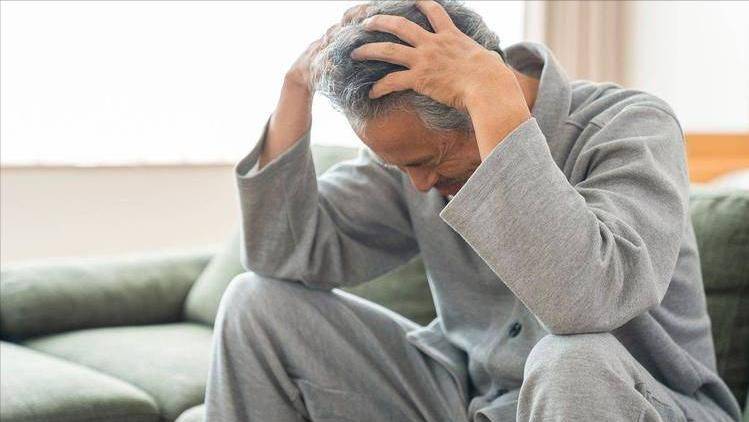
After the operation, anxiety, irritation, etc., are normal due to lack of mobility and fear of recovery, but need to be managed in a timely manner to avoid chronic inactivity。
It is possible to communicate more with family members and friends to ease psychological stress; it is also possible to develop a few easy interests and divert attention from rehabilitation with a positive mindset。
The success of hip replacement never ends in the operation itself, but in post-operative scientific care. Physical management, pain management, rehabilitation exercise, infection prevention, dietary regulation, avoidance of burden, periodic review and psychological regulation are essential。
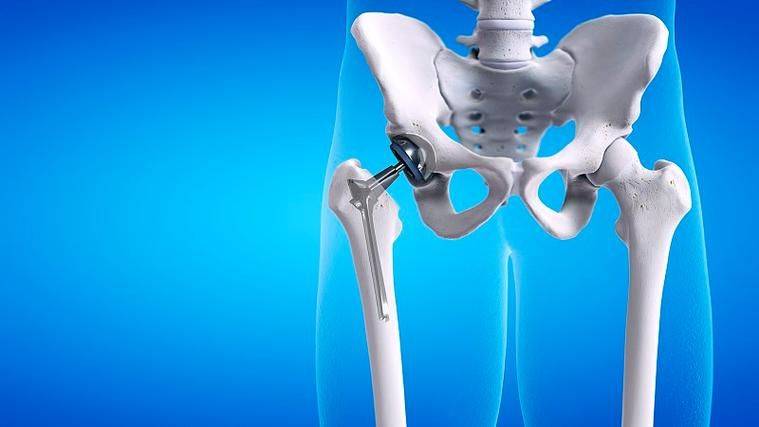
I recommend that patients who have undergone hip replacements should bear in mind the above points, abandon the false perception of “post-operative neglect” and strictly follow the guidance of doctors, scientific care and gradual progress in order to better restore joint function and return to normal life。
What other questions do you have about post-hemorrhoid care? What difficulties have they encountered in post-operative care when there are people with this operation? Welcome to the comment section。