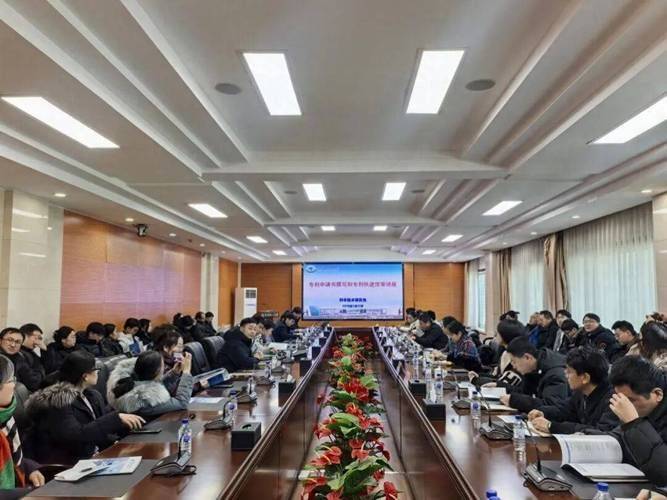
A day before the china quality news network, the centre for the protection of intellectual property in nanning city went to guangxi medical university to conduct training on the subject of patent pre-trial operations, further spread knowledge about intellectual property protection, and help the university to ensure efficient control over the results of scientific research and innovation in the field of medicine in china and china. The training attracted the active participation of teachers and students from various faculties, such as the school of basic medicine, the faculty of pharmacy, the institute of chinese medicine, the institute of marine studies and the graduate institute, with a strong field learning atmosphere。
The guangxi central medical university is the state administration of chinese medicine and the guangxi autonomous region for the construction of higher education institutions, as well as for the basic capacity-building in the central and western parts of the country. The school's path to the development of chinese medicine and ethnic medicine is based on a combination of chinese medicine and medicine disciplines, with a well-established foundation for the integrated development of medical research and medicine, and a significant advantage in the exchange of resources for cooperation. The school has focused its efforts on the three leading disciplines of chinese medicine, chinese pharmacology, chinese medicine and western medicine, focusing on the entire industrial chain of chinese medicine in the quail, and has approved a number of high-level scientific innovation platforms, including the national centre for the export of chinese medicine services and the engineering research centre of the ministry of education. For a long time, schools have been building on regional-specific medical resources, building on the enabling industries of science, technology and innovation, and reaching out to asean in the field of pharmaceutical cooperation, continuously promoting quality scientific research to serve local economies and cross-border industrial development。
In the course of the training, the commissioner of patent pre-trial operations of the centre for intellectual property protection of the city of nanning, taking into account the actual situation in the field of research in the fields of biomedicine, chinese medicine research and development, went into reading the policy of rapid pre-trial registration of patents, systematically combing the full process of patent declaration on the patent line, elaborating on practical points such as material filling, business processing and patent layout, analyzing common areas of error and attention in the day-to-day filing process, and providing an overview of the various types of intellectual property pre-trial services. Through specialized and targeted lectures, students and teachers have been effectively helped to gain access to pre-privileged patent operations and to acquire skills in rapid authentication of claims。
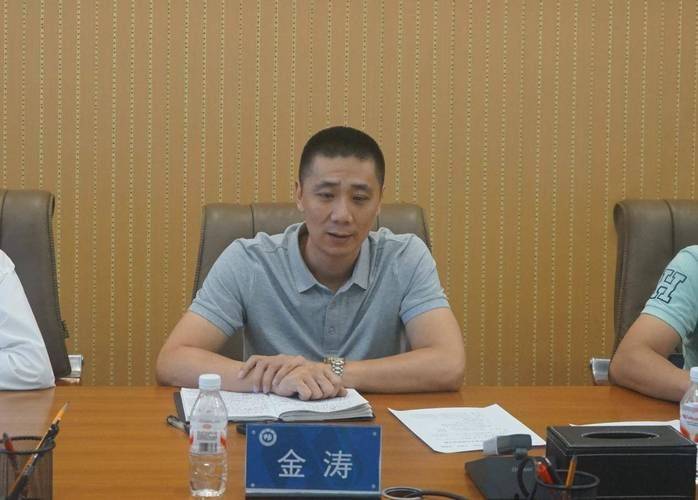
Interactive question-and-answer sessions, in which teachers and students present are actively asking questions in connection with the development of day-to-day research projects, the organization of academic results and the planning of patent applications. The instructors are patiently responding to each of the issues related to the scope of patent pre-trial processing, the rules governing the conduct of business, the difficulty of blocking the process, and the points of protection of interests, face-to-face precision in responding to teacher and student questions and breaking down the cognitive barriers to intellectual property policy. The participants expressed the view that the content of the training was practical and practical, both in terms of improving the understanding of patent pre-trial work and in terms of clarifying future academic research and patent filing, and that it was highly instructive for planning intellectual property for research。
This thematic training programme has effectively strengthened awareness of intellectual property protection among students and teachers in higher education, building the foundation of innovative intellectual property protection in schools and building bridges between government schools and co-services to provide strong support for scientific innovation, rational patent layout and copyright protection in the field of chinese medicine。
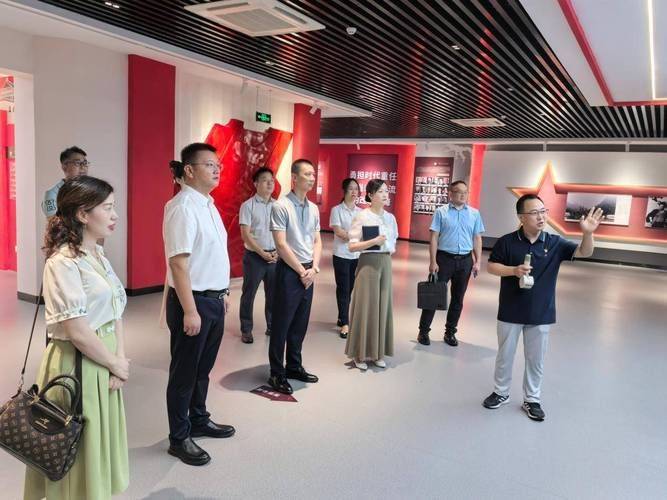
In the next step, the centre for intellectual property protection in nanning will continue to deepen the institutionalization of long-term intellectual property services in government schools. Regularization will be carried out through a series of policy presentations, hands-on training and one-to-one mentoring activities in universities and universities in the districts. At the same time, keeping pace with the evolution of science, technology and innovation in higher education, tailoring the demand for innovative research and development and the protection of results for students and teachers, providing the school scientific community and various subjects of innovation with rapid, professional, efficient and accessible patenting services, and facilitating the translation of high-quality scientific research results into higher education. Ho jungjun, qin zawa