I know fire protection facilities, i know life-saving skills
Within the building, we often see red or silver grey boxes embedded in walls, with the words “flammation bolt”. Many people are familiar with it and unfamiliar with it — knowing that it is used to extinguish fires, but not many can really and dare to use it. When fires start and smoke is not closed, the proper use of the most recent emboss from you tends to contain fire before firefighters arrive and buy precious time for life. Today, we are here to meet this critical “life-saving box”。
What's an indoor embolism
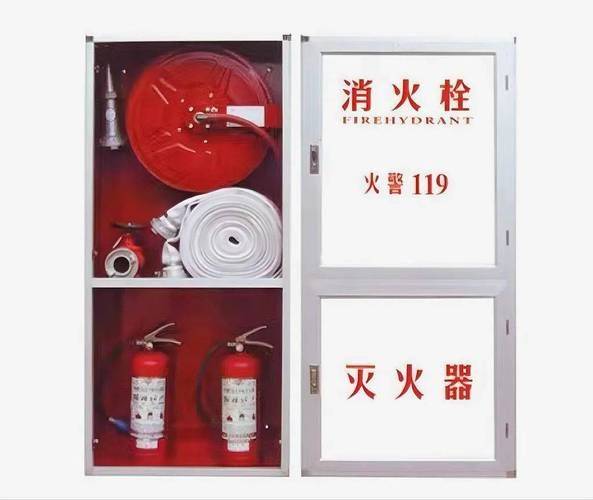
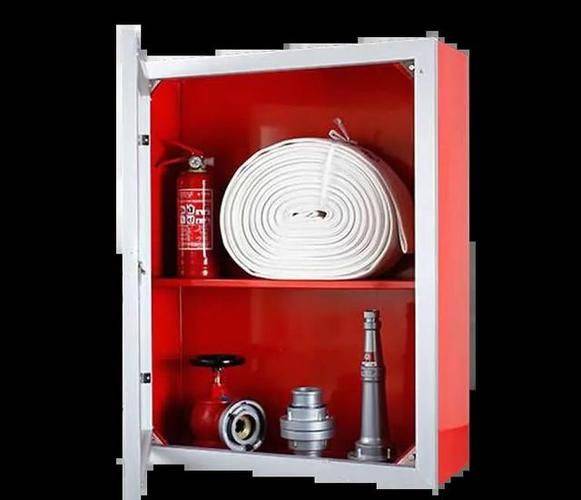
Indoor embolisms are fixed fire suppression devices installed in buildings on water pipelines. It usually consists of a box, which combines water supply, fire suppression, control, alarm, etc. Simply put, it's a small fire station hidden in a wall。
A complete interior flaming tank containing, inter alia:
02 central role of indoor embolism
The interior embolism was originally designed to provide the building's personnel with the capacity to fire close to the water. Its water quantity is sufficient and its water pressure is stable, and it has had a significant effect on the rescue of ordinary solid fire (e. G. Wood, paper, fabric). N. B. Fire suppression bolts do not apply to electrical equipment fire and oil fire, which may otherwise cause electrical exposure or fire proliferation. Common types and settings are divided into two main types, depending on the type of building and the demand for use:
01 normal flaring bolt
02 pressure-repressure-type embolism
Pressure-reducing pressure control devices have been added to the normal type. Low-floor areas, mainly used for high-rise buildings, prevent high water pressure from causing operational difficulties and injuries. Establishment requirements: in accordance with the building design fire code (gb 50016), an indoor fire suppression system shall be put in place for the construction of dwellings above 21 m height, public buildings, factories, warehouses, etc. With a volume exceeding 5,000 m3. The straight line distance from any position on the same layer to the nearest defunct should not exceed 30 metres。
03 usage method
When a fire occurs, if the fire is small (e. G., garbage cans, curtains, sofas are partially on fire), an attempt may be made to extinguish the fire with a flaming mechanism. Please proceed as follows:
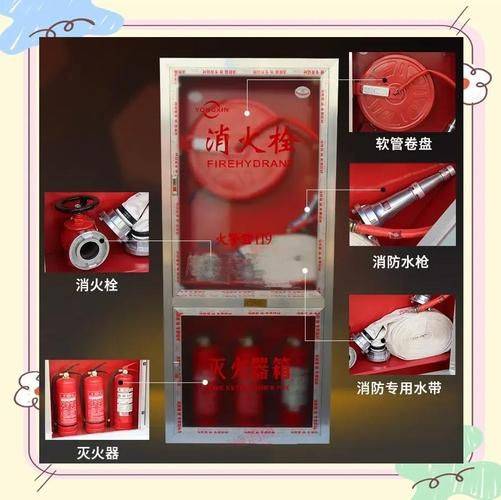
Open the door: break or press the lock of the door, open the fire-freet door。
Press the button: press the manual alarm button in the box, activate the fire pumps and issue the alarm。
Grab a water gun: take out the water belt and the water gun, and screw the water gun interface around the clock。
Pull the water belt: pull it in the direction of the fire, avoiding twists and knots。
Open valve: one operator holds the water gun and points it to the root of the fire, and the other rotates the handle of the anti-clockwise anti-fence valve and opens the current。
In particular, if two persons operate, one is responsible for the valve, the water supply and one is responsible for carrying the gun and putting out the fire. In the case of single-person operations, it is recommended that the water belt be pulled out, connected to the water gun and placed near the source of the fire before returning to the valve and avoiding the movement of the water belts with the water recharge。
Common issues and concerns
1. What about the flaming tank being shielded by miscellaneous items
Can't get the water belt stuck at the interface
3. What about the knots and reversals
4. The water pressure behind the opening valves is so heavy that it can't hold
5. Under what circumstances should fire suppression be excluded