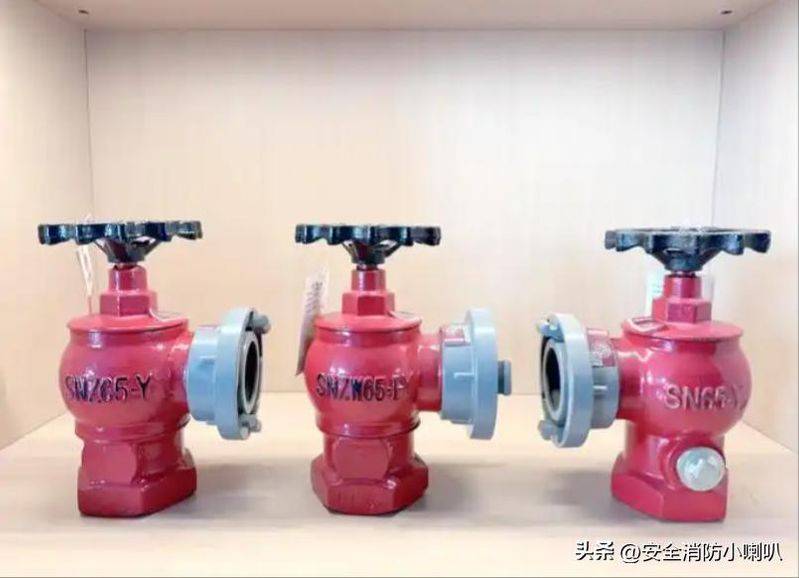
The design description for drainage at a certain a industrial plant was consulted at the preceding time and it was found that the design note described only one model of the sn65 model for the internal defunct embolism box export valve, without any other detailed description, and that the procurement could not be performed accordingly, and the issue was reflected to the designer。
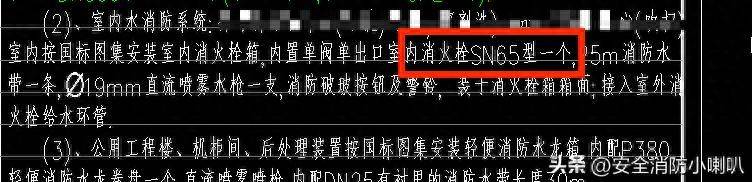
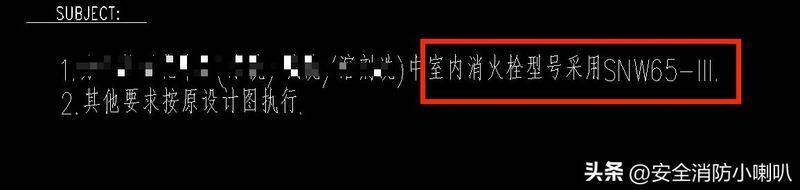
The communication with the designer resulted in the issuance of a design change order specifying that the indoor impregnation model was snw65-iii。
The key to the selection of an indoor pressure-reducing pressure-reducing embolism is to determine the type of pressure, i. E. The pressure to enter the indoor impregnation (import pressure) and the water discharge pressure from the embolden (export pressure)
Indoor embolism pressure and fire-fired water pistols shall fill the water column in accordance with the following provisions:
1 equilibrium embolism mouth pressure shall not exceed 0. 50 mpa; pressure relief devices shall be provided when greater than 0. 70 mpa
2 high-level buildings, plant buildings, storage rooms, and civil buildings with a net empty interior height of more than 8 m shall have no less than 0. 35 mpa for the discharge emboldens and shall be calculated on the basis of 13 m for the fire-fighting water pistols; on other sites, for the discharge emboldens, the pressure shall not be less than 0. 25 mpa and for the fire-fighting pistols shall be calculated on the basis of 10 m. (the original level i fire engineer examination also included an excuse for a “high-working eight” building embolism pressure of 0. 35 mpa)。
Why should the technical parameters of the defunct embolism vent pressure not be greater than 0. 50 mpa; when greater than 0. 70 mpa, pressure-relief devices must be installed, as described in the note to the article: the indoor defunct is typically equipped with a direct water gun, and if the water gun has a reaction force exceeding 200 n, it is difficult for a firefighter to control the rescue. If the dn65 extinguisher mouth water pressure is greater than 0. 50 mpa, the water gun will have a reaction force greater than 220 n, so this paragraph suggests that the extinguisher mouth pressure should not be greater than 0. 50 mpa, and if the embolden pressure is greater than 0. 70 mpa, the water gun will have a reaction force greater than 350 n and it is difficult for two firefighters to control the fire suppression. Therefore, the discharge embolism mouth water pressure greater than 0. 70 mpa shall be subject to relief measures。
Section 5. 13. 2 of the indoor pyramid (gb 3445-2018) provides for three types of pyropressure pyramid and gives parameters for import/export pressure. Among them, water intake pressure 0. 5-0. 8 mpa type i, water intake pressure 0. 25-0. 40 mpa type ii, water intake pressure 0. 7-1. 2 mpa type ii, water intake pressure 0. 35-0. 45 mpa type iii and pipe pressure 0. 35-0. 45 mpa type iii, so that high-level buildings, plant buildings, storage rooms and civil buildings with a net indoor air space above 8 m above 0. 35 m mpa require a choice between type ii and type iii, and the choice of type i may result in low water mouth pressure. The second or third type is matched by a combination of water intake pressure, but priority is given to the requirements of export pressure。
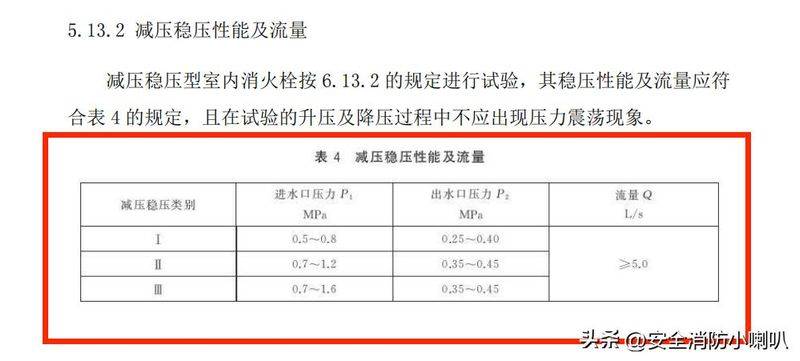
A combination of product and water-abuse regulations makes it clear that the embolism pressure of the various layers of civilian buildings above 8 m is in the range of 0. 35 ~ 0. 5 mpa and the embolism pressure of the other layers is in the range of 0. 25 ~ 0. 5 mpa。
Indoor flammatories should be the most common problem, and they do not comply with regulatory requirements that may result in the pressure of the emboldens at the time of the on-site acceptance test, which would affect the passage of fire protection tests and, in their subsequent use, the efficiency of fire-fighting relief, which must be clearly defined during the design process, and the construction quality personnel must have the appropriate knowledge to make a judgement. Personal learning notes。