In the regulation on technical instructions for fire supply water and fence elimination systems gb50974-2014, the following provision is made for pressure relief: 1. Episode embolism thrust pressure shall not exceed 0. 5 mpa and when greater than 0. 7 mpa, pressure relief devices shall be provided. The knowledge-based pressure-relief devices known include pressure-relief valves, pressure-relief perforation panels, flow-control tubes, pressure-restrictive pressure-type embolisms, etc. Today, i'm talking about the pressure-repressure embolism:
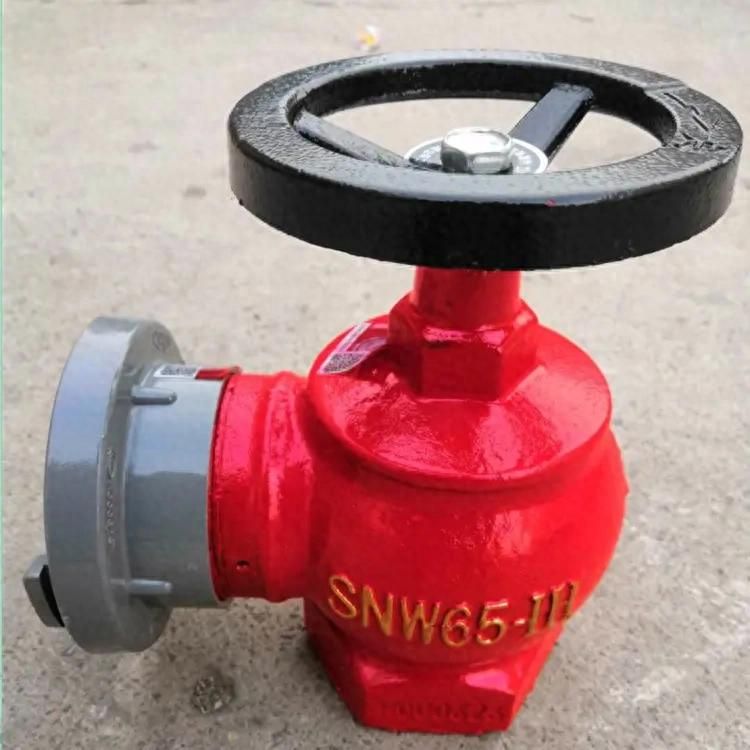
Pressure-repressure embolism
Pressure-restrictive pressure-free embolisms are auto-resilient devices that use the energy of the medium itself to change the current-resilient area of the pressure-resilient device, reduce the pressure of the vent within the specified range to a required vent pressure and automatically maintain a stable indoor impregnator. It has a fluid flow of water and precise pressure, making the fire-fighting process more efficient and reliable。
Pressure-reducing pressure-restrictive embolism, which is centred on a piston-type structure to achieve pressure-repressure function. This unique structure allows the piston to move upwards and downwards in response to changes in the water pressure at the mouth, thereby automatically adjusting the water pressure and ensuring its stability. The piston moves upwards when the water pressure is higher; it reduces the vent and lowers the water pressure; and when the water pressure is lower, the springs on the piston move downwards, increasing the piston and ensuring the stability of the export pressure. This piston structure, like a smart butler, keeps an eye on changes in water pressure, thus effectively avoiding water-outstretch instability caused by fluctuations in water pressure。
Pressure-restricted pressure-type flaring is effective in stabilizing the water pressure and volume of the water supplied, ensuring that the discharge and pressure of the flail are consistent during fire rescue and avoiding the impact of excessive or inadequate water pressure. It can reduce the occurrence of water hammers by reducing network pressure, thereby extending the useful life of equipment and providing more reliable and safe security for fire-field rescue。
Pressure-repressive embolisms, as custodians of high-level buildings, have an important mission to ensure the stability and reliability of fire-fighting sources. At the time of the fire, it accurately regulates the flow and pressure of the water in the water mouth so that the water source for fire suppression remains constant, avoiding the increase or ineffectiveness of the fire as a result of excessive or too small pressure。
The application of the pressure-restrictive pressure-type embolism in the actual works was to address the problem of excessive water pressure in the building. Some high-level buildings may increase water pressure as the number of floors increases due to restrictions on water pipelines, and the direct use of these high-pressure water sources for fire suppression at the time of the fire may result in an increase in the fire or its ineffectiveness. The second is to stabilize the water supply system in buildings. Pressure-repressure embolisms also serve to stabilize the water supply system in buildings and to avoid a complete breakdown of the water supply system in buildings due to fires。
Pressure-repressure flavouring will still be necessary in some cases for engineering. Pressure-repressure flavouring is characterized by the ability to reduce static and kinetic pressure simultaneously, which allows them to reduce partitioning and save investment when used in conjunction with proportional pressure-reducing valves or adjustable pressure-reducing valves. As a result, pressure-restrictive flavouring bolts were widely used in high-rise building fire design and construction. For other types of construction or construction, such as low-level or small-scale buildings, a general flaring mechanism may be sufficient。
Don't get lost