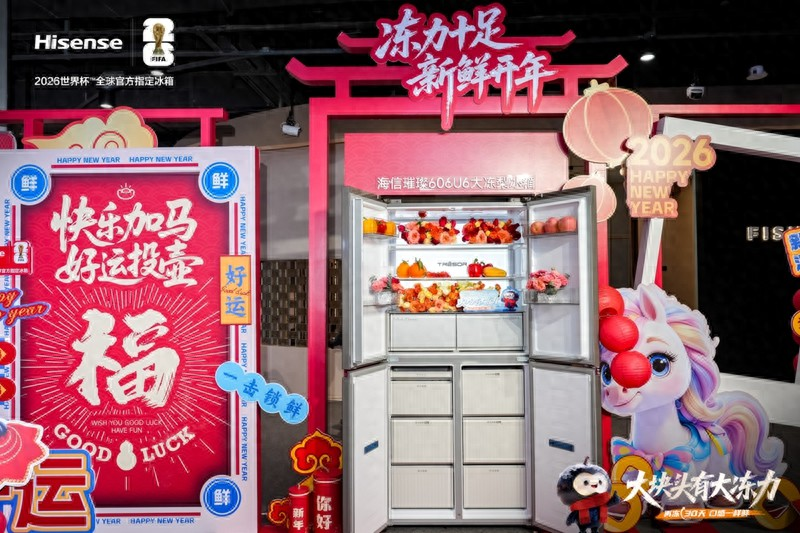
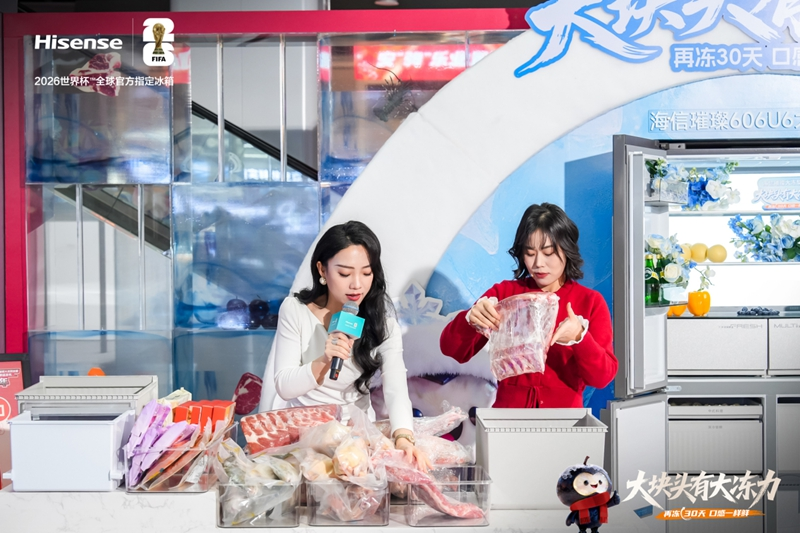
Accumulation of food material leads to lack of access; the central temperature is difficult to reduce when large stocks are hoarded; and frozen meat is drying up wood and the loss of fresh food ... These specific problems arising from the upgrading of dietary structure and changes in storage habits have long existed in many family kitchens. On 31 january, the haishin refrigerator was released in tianjin, the core of which points to the systematic solution of these industrial pain spots. The introduction of this product is more than just a technology overlay, and it reflects the path choices of the head enterprise in finding a breakthrough in innovation when the industry matures。
From `silence pain point' to `big table': a deep response to user needs
“these pains are not unknown, but are caught up in the inertia of industrial innovation.” the head of the sealine refrigerator said. For a long time, the refrigeration sector has been highly focused on quantifiable and diffuse indicators such as total volume, energy efficiency levels, etc. The increase in refrigerated space often leads to a “no gain or fall” in total volume figures, which may be at a disadvantage in marketing; at the same time, the reshaping of refrigeration systems involves complex re-engineering of the refrigeration chain, with high technology and cost thresholds. Under multiple factors, the true experience of the user becomes a compromised “silent corner”。
However, market data reveal another picture: china's domestic demand for frozen space continues to grow rapidly, with the improvement of cold-chain logistics and widespread household feeding habits. The first step in the decision to break this deadlock was to try to remodel the industry language system, leading the development of the refrigerator refrigeration performance assessment standard, which proposes a four-dimensional system of “real freezing” evaluation covering refrigeration capacity, volume, volume and deep cooling temperature. This is intended to translate sensory experiences such as “frozen” “facility” into measurable and comparable hard indicators。
This new standard is the physicalization of the haishin-pilex refrigerator. Most notably, 267l of frozen space was achieved within the total volume of 606l, equivalent to the configuration of one refrigerator equal to one refrigerator plus one freezer. This is not a simple space distribution game, but a redesign of the whole machine system. The structure of the high waist line allows access to food items to avoid frequent deep bending; the “3+3+1” partition and the design of the max drawer are based on in-depth insight into the storage of a wide variety of food items (from the whole of the ribs to the hand-fed water dumplings) in chinese households, with a view to harmonizing orderly intake with space flexibility。
Core technological innovation: “efficient conservation” in refrigeration
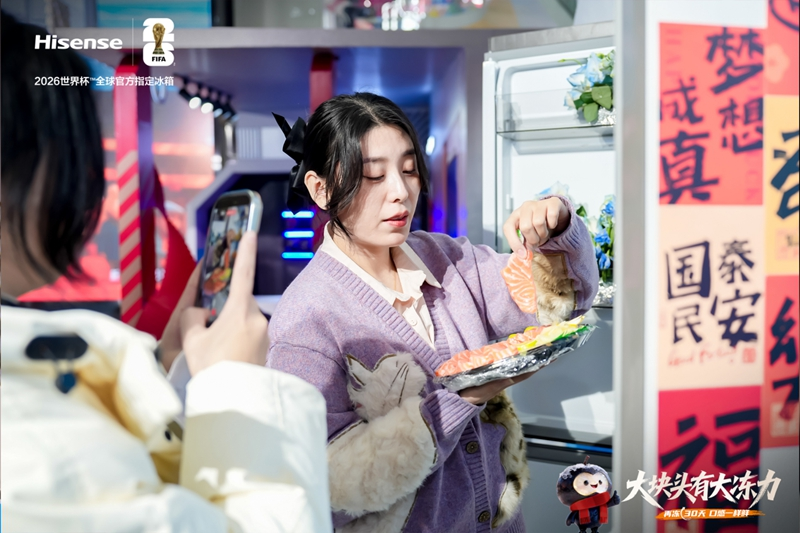
If remodeling space is “form”, then the breakthrough in core frozen technology is “god”. One of the core weapons of the sea-vine tundra is the technology of freezing ice at 36°c. In the ordinary process of freezing, slow cooling results in the formation of coarse ice crystals within the edible cells and the puncture of cell walls, resulting in the loss of nutrient juice during the thawing. -36°c extremely frozen ice-cream technology allows the food to be quickly generated through the crystal belt, increasing speed by 125% and avoiding the coarse crystals that puncture the food cells. After 30 days of freezing, salmon feel almost the same way as fresh food, making it a reality that “another 30 days of freezing is as fresh”。
Another hard indicator is refrigeration capacity up to 13. 5 kg/12h. An increase of 90 per cent over the traditional refrigerator, which can freeze up to 54 pounds of meat a day, can freeze quickly, even in equal depth, even if it is filled with large quantities of food. This means that, in the face of the large amount of food purchased centrally over weekends, refrigerators can rapidly stabilize central temperatures with strong freezing power, avoid the risk of material deterioration due to slow cooling, and achieve a smooth and rapid external-to-internal freeze。
Beyond hardware: redefining the role of refrigerators in the family
The innovative thinking of the sealine refrigerator does not stop at freezing performance。
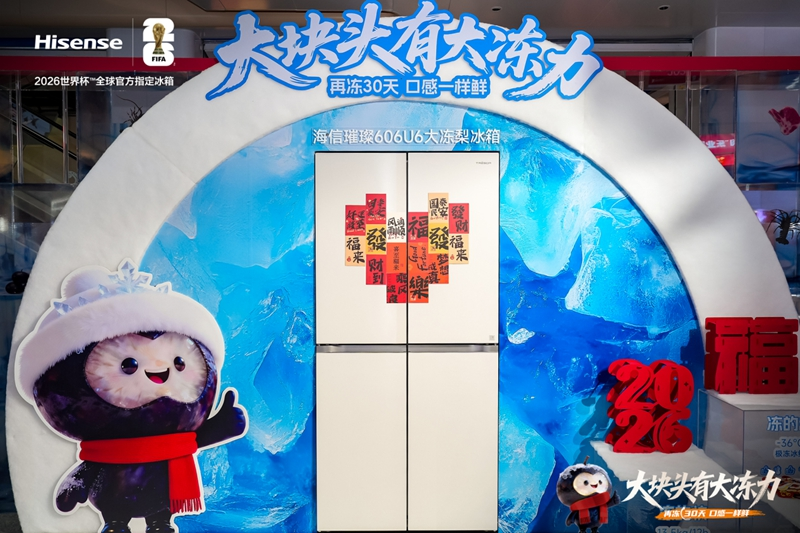
It is well known that the glass panels of the refrigerator, while good, do not fit the refrigerator; the metal panels can put on the refrigerator, but their beauty is much less. In order to address this problem, haishin launched the industry's first-ever magnetic-sucking glass doorboard, the star-lighted magnetic-suction doorboard. It uses special glass and innovative smi processes, which for the first time integrate the magnetic suction function with the quality of glass. The contradiction between the glass panel beauty and the metal panel was defused, making the refrigerator door a “showboard” for family memory and emotion. It creates an elegant aesthetic sense of quality for the home and is a steady adhesive to all kinds of beloved refrigerators. At the same time, it takes into account the practical attributes of fingerprint protection and shaving resistance, which have been awarded the international cmf award, not only to redefine the new high-end standards of the industry, but also to further the deep experience of integrating electricity into family emotional interaction。
At the level of health and safety, the haishin refrigerators are equipped with a kinetic protection system. Refrigeration rooms employ dbd ion pro-bacterial smelting techniques that proactively release ions, which are full-time, intelligent and active, e. G., high-efficiency debacterial, fast-cleaning, etc., while for cryogenic environments in the freezer rooms, specialized chiller modules for precious metals have been developed, which are effective in curbing the growth of cold bacteria and ensuring that cold conditions are equally clean and healthy. This fine-tuning exercise reflects a careful consideration of the health needs of the user landscape。
From listening to specific and minor points of life pain, to reshaping the criteria for industrial evaluation, to landing as a solid technological innovation, the birth process of the haisin tundra refrigerator mirrors the enterprise's “user-centred” philosophy of research and development. In the midst of intense market competition, it has chosen a more challenging path: not to pursue short-term parameters, but to deepen the real scene of life and create long-term value by addressing fundamental problems. This may augur well for an innovation competition in the domestic electricity industry that is entering a deep water zone where users know better and who can solve problems more systematically。