1. Prepare seedbeds
First of all, of course, we have to prepare a nursery for the fruit. The holy fruit prefers to grow in a warm environment, so the nursery bed must ensure a backwind, adequate light, good drainage and permeability. The seedbed soil is then pushed to about 25 cm deep, the soil structure is improved and the seed germinate rate is increased. In the field as a whole, the application of sufficient base fertilizers, based on soil and area of cultivation, is also required to improve soil fertility and to meet the demand for seed germinates. The base weight is dominated by decomposed farm fertilizer, which is applied to cover an appropriate amount of soil。
2. Scropping in due course
First of all, we need to select high-quality seeds that are highly resistant to disease and have high growth rates. Depending on the area under cultivation, seeding is carried out with a solution such as potassium permanganate before seeding, which is controlled for about 10 minutes. It is then taken out in warm water for about five hours. It is then extracted with wet cloth packages placed in an environment of around 24 degrees to seed most seeds when they are white. The planting can take place at an appropriate early stage and can prolong the harvest period of the sacred fruit, usually on or around the festival。
3. Sterilization management
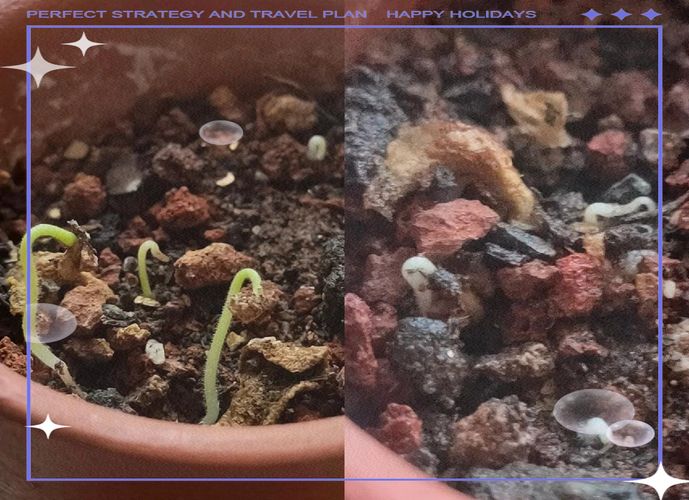
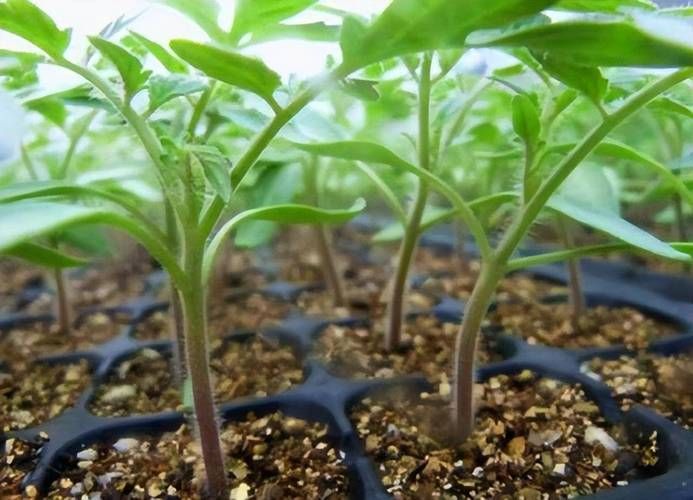
In order to increase seeding rates, seeds should be ploughed in an organized manner. The soil is covered by seeding and the temperature can be increased appropriately until seed is seeded. However, when seedlings are produced, the temperature needs to be reduced appropriately, as it can easily lead to the growth of young seedlings. So be careful to ventilate and control the temperature. When the seedlings grow two leafs and a heart leaf, it is chosen to falsify the seedlings, which are strong and infested. The choice of false seedling beds is consistent with that of nursery beds, after which care is taken to water them。
4. Pest management
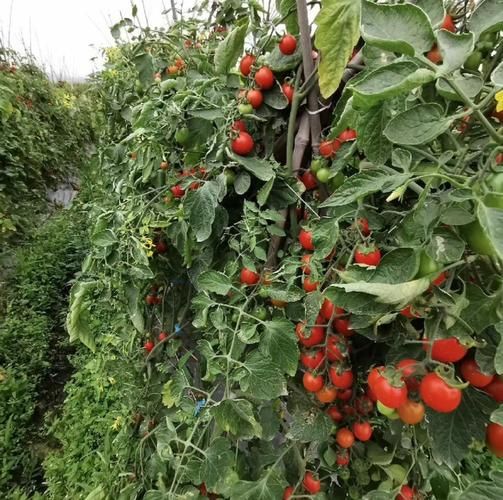
The resistance to the disease is relatively poor during the precubous period. Therefore, care must be taken to combat pests and diseases, and we need to know what are the common pests and pests in the fruit of the holy virgin. During cultivation, the growth of sacred fruit is observed on a regular basis, field management is strengthened and pest control and control is carried out. When an abnormal situation is detected, the specific cause is examined in a timely manner and measures are taken accordingly. Prevention and treatment of the spread of the disease and expansion of the area affected the effectiveness of cultivation。