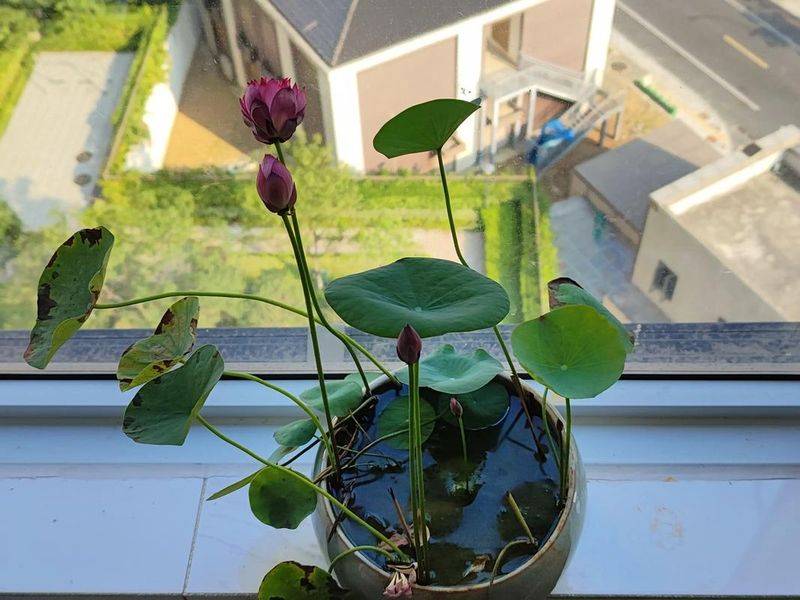
The bowl consists of sleeping lotus, lichen, aquatic plants with many roots over the years. Anonyms: bronx, treasure, table lotus. China is a country of origin, and our southern region has more. The bowls are colourful, fragrance, lantern caps, potted or bottled, and are placed in a different style at the head of the window. At the same time, the bowl can be planted in lakes for riverine management, greening of waters, use of wetlands, purification of water quality, etc., and is widely used in modern gardens。
The bowl is long and thick and has long holidays. The turret is round, and the thick bearings are stabbing. Flowers are born at the top of a flower canal, most of them are petals, and are embedded in a flower cavity. They are red, pink, white, yellow, green, etc., or they have colours and sides. Nut ellipses, seed eggs. The lotus grows. June-september, july-september. The bowl is radiant, intolerant, heat-resistant, wet and dry, and is planted in a fertile, micro-acid clay rich in energy。
It's a gardening technique
(1) feeding techniques:
The base of the recovered lotion, which is the end of its cavity, is cut with scissors from a 2-3 mm crack, so as not to hurt the embryo. They are soaked with 50 °c water that they remain at 28 °c and change water once a day. After 5 to 7 days, they will germinate, and when they grow to 10 cm, they will fertilize。
(2) cultivation techniques:
The bowl is planted to select the organically fertilized micro-acid clay. Cultivated with a small amount of base fertilizer from fertile pond mud, suitable size for planting containers, planting water seedlings in the middle of the flower basin, maintaining a water layer of 3-5 centimetres in the mud, planting depths in which all the seeds enter the mud, sprout the surface, and then moving them to adequate light for conservation. Fertilizer is applied in accordance with the principle of hard labour. When the leaves are too dense, some of them may be duly trimmed to allow for a ventilated plant to open the flowers。
It's not soil-growing
(1) landless cultivation
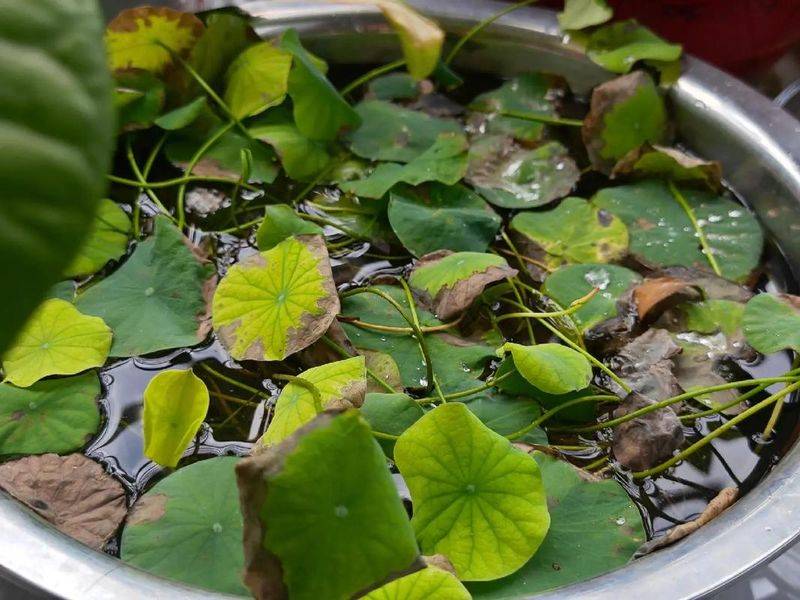
Since the bowl is planted using seeds and planting methods, it can also be done without soil. The introduction of seed planting requires seed seeding to grow small seedlings, which are transplanted when they grow to about 10 cm, and the use of seedlings is relatively simple and easier to survive. The timing of planting is more suitable for the growth of a bowl when the temperature is above 15 degrees. (c) set in the packaging a matrix for the fixing of a bowl of lichen and then place it in the form of seedlings or saplings, pouring water and making sure that the top buds of the bowl are buried in the water, with a 5 cm layer of water in the water and medium。
(2) conservation management
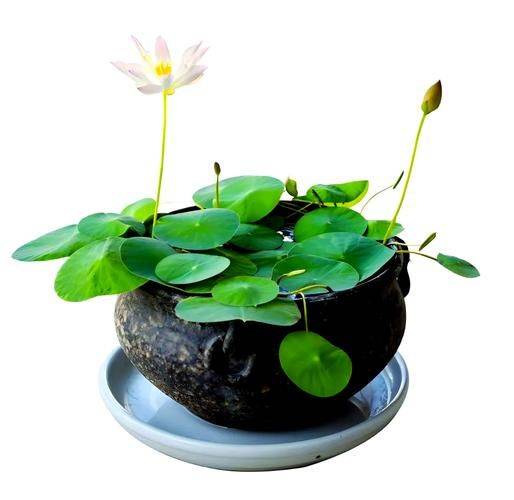
The development of a bowl requires an appropriate amount of nutrient, which is used once a week and adjusted for the condition of the bowl. With the growth of a bowl, the roots grow, the use of nutrients is adjusted, sufficient gaps are left to allow the roots of a bowl to grow further, and containers are often cleaned. Based on the growth habits of the bowls, the daily management of the bowls is maintained at a temperature of between 20 and 30 degrees. For sunlight, there is a need for sufficient light, but there is no need for it. In addition, care is taken to prevent pests and diseases during the growth of the bowls and to detect timely treatment。
In the view of the editor, the value of the bowl is higher than the value of the flower, because it can be a basin view or a plant, and the method of planting is simple. If you like it as much as the editor, you can quickly collect its planting skills。