The old people who grow pasta fruit in their homes, whether they are gardening, gardening or balconies, are likely to be troubled by the fact that the vines are particularly growing, and the leaves are swollen, and they look at them, but they don't bloom, they don't produce, they wait for seasons and seasons, they don't wear fruit, they waste their time and their fertilizer。
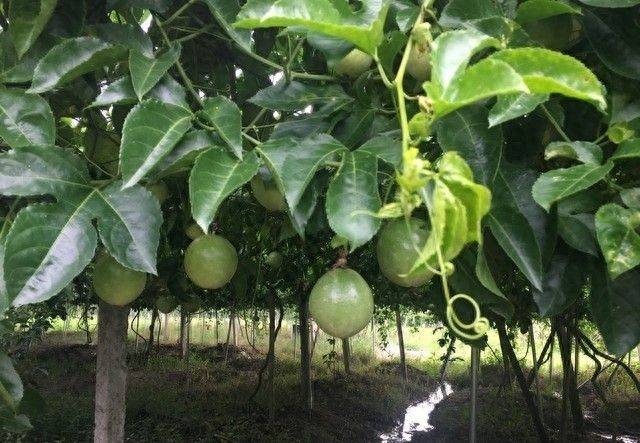
In fact, it's not a bad breed, it's not a bad planting environment, it's mostly a bad management, it's a bad feed, and it's not a bad turn. Many grow freshmen to water and fertilize, do not know how to trim, do not match the fertilizer, and grow the fragrance fruit, which naturally has no effect but the ivy。
I've been growing bagels for years, and my friends around me have come to me for advice. In fact, the solution is not difficult, it is not complicated, it does not use drugs, it does well to control the branches, it does well to control the water, and it guides the nutrients to produce the fruit, and the fragrance of the fragrance, which is full of fruit and sweetness. Today, using the big words that our natives can understand, we share all of the details of how to do it and how to avoid the pits, so that new hands can grow high-yield cloves。
First, let's get this straight: why is the fragrance of the fragrance
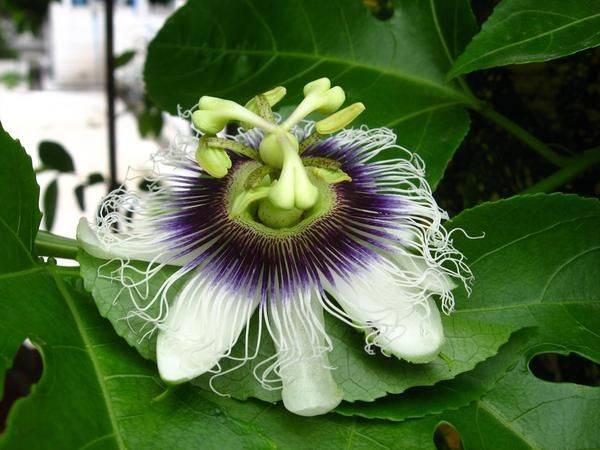
Let's talk about it before we talk about it. Let's get to the bottom of it. In the absence of results, the core is due to two causes, which are due to poor day-to-day management。
The first reason is that the vines and the vines are all wasted on the leaves. The top edge of the cloves is particularly strong if they are not trimmed, the main chicken grows up, the side branches are sprouted and the wind is inert, all the nutrients are taken away by the new vines and leaves, there is no extra bouquet, and there is no flowering, no fruit. The typical expression is the length of the vines, the size of the leaves and the thinness of the leaves, the thickness of the branches, the absence of flowers。
The second reason is poor water fattening, and nutritional growth covers reproductive growth. Many people feel that the growth of pasta fruit requires more fertilizer, more water, more nitrogen-based fertilizer, such as urea, high nitrogen compound fertilizer, which directly stimulates the frenzy of vines and inhibits the growth of buds; too much water also exacerbates the growth and leaves the plant with only long leaves. This, together with insufficient light and poor ventilation, will make the problem even more serious, resulting in a situation in which there is no result but ito。
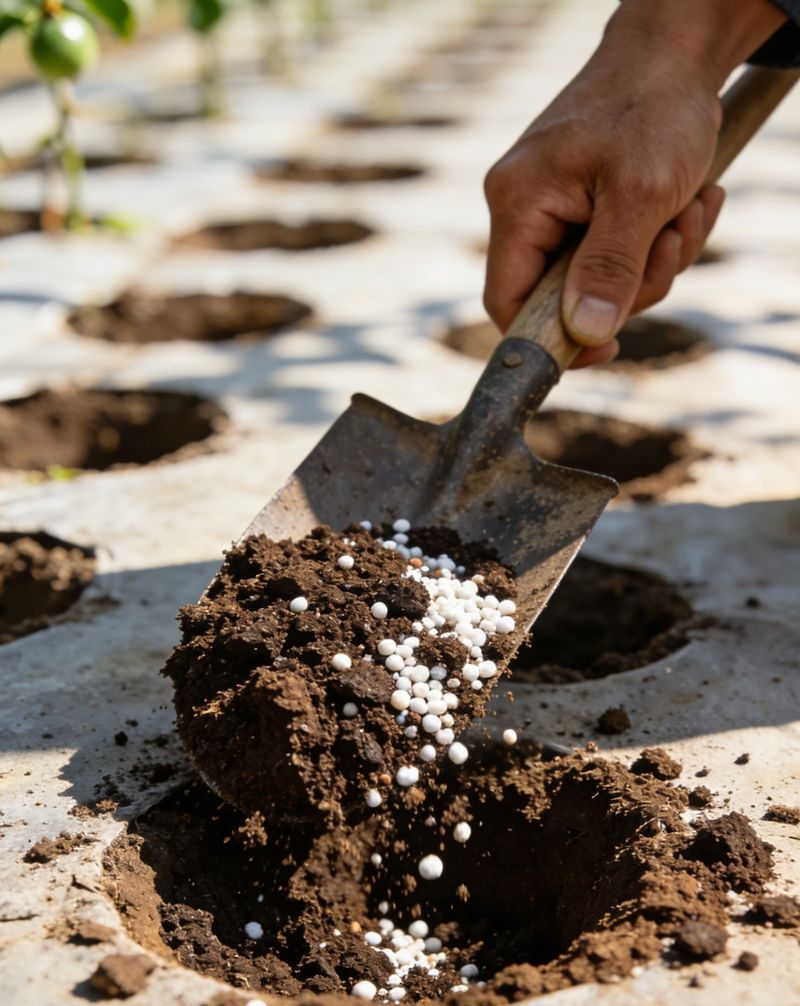
To figure out these two core reasons, we can do two things in a way that is easy to solve. We don't have to do anything. We don't have to do anything。
First thing: control the whole branch, strangling the bud, cutting the branches, and feeding the fruit
This is a central step in the solution to the problem of the flowering fruit of the pasta, and it is also the most critical step, which can work without spending money, cutting and cutting, and making it easier for new players to operate. The whole of the clove is trimmed, remembering the three main points of “during the main chicken, taking the top to the heart, stinging the branch”, and one step at a time。
1. Fixing the main chicken and removing the extra sprouts
And there was only one of the most robust chickens left before the clover, and the rest sprouts and branches were removed. This allows all nutrients to concentrate on the growth of the main chicken, allows it to climb up quickly to the shelf, lays the basis for growth and avoids multiple branches fighting for nutrients, leading to weak vines that are difficult to produce。
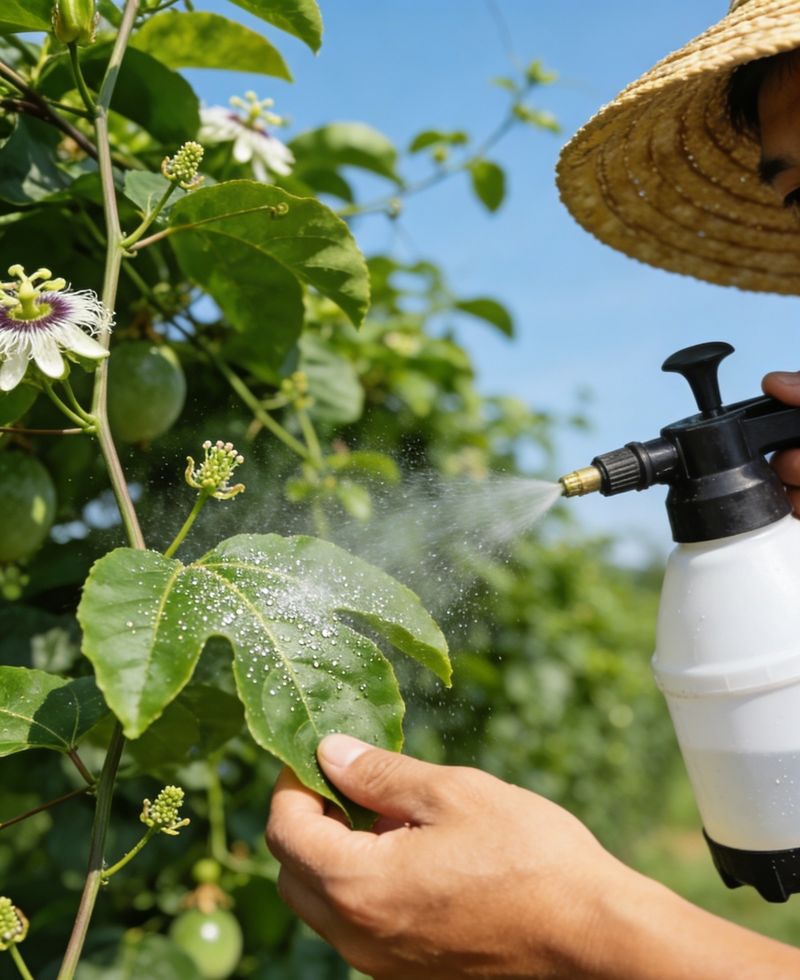
When the main chicken grows to the top of the shelf, that is to say, to reach the right height, to hit the top in time, to cut off the top of the chicken, to break the top edge, and to force the main chicken to grow the side branches, which are the subsequent branches, without which there is no flower, no fruit。
2. The side branch is heart-drinking and control of the lumber
The side branches of the brocade, which grow to 80-100 centimetres, take their hearts again and cut off the buds at the top of the side branches. After two heart breaks, the vines no longer grow up mad, the nutrients begin to turn to the buds, and they grow。
At the same time, the breeching, steeding, i. E. The small branch growing on the side branch, must be removed in time to reduce nutrient consumption. It is important not to fail to cut the extra branches, which will only take nutrients, will not produce flowers, and will only increase the number of pupils and affect the overall fruit。
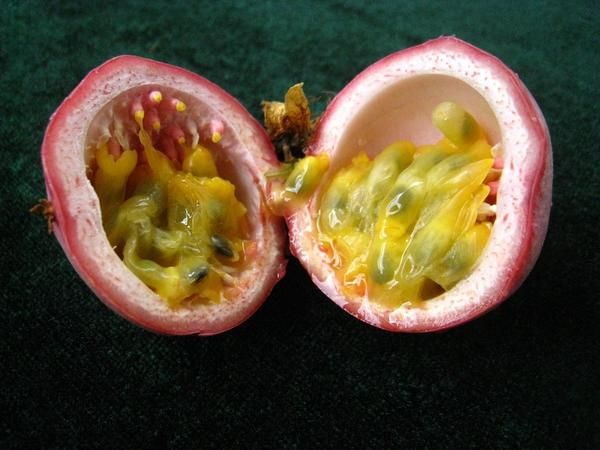
3. To remove useless branches and ensure ventilation
Cutting the weak branches on the plant, the sick branches, the overlapping branches, the long branches, and the old branches and the secret branches on the bottom, which are close to the ground, so that the entire shelf can be radiant. The branches are too dense, not only to increase the number of students, but also to breed pests and pests, shielding the light and affecting the formation of buds。
When shearing, use clean scissors, cut as smooth as possible, and do not trim during the rainy days to avoid infection with the disease. No special treatment is required, normal maintenance is sufficient and the wound heals naturally。
Through this whole operation, the vine masters are completely controlled, the nutrients are locked in the branches of the outcome, and the nutrient supply is shifting from the “long leaves” to the “long flower fruit”, which will naturally grow successfully and lay the foundation for the subsequent berries。
Iii. Second thing: management of water fertilizer, reduction of potassium phosphorus, rational control of water, more flowers and more fruit
It is not enough to trim it, and the water fertilizer mix must be kept up, the fertilizer type adjusted, the water draught controlled, and the cut together, in both ways, in order for the fragrance fruit to be full of fruit. A lot of people are unmanageable, we're cut, we're not gonna make it. We have to avoid this。
1. Fertilisation: reduction of nitrogen fertilizer and increase of potassium phosphate fertilizer
It's the core principle of fertilizer, remember
- to stop the application of urea and high nitrogen compound fertilizer, which will continue to drive vermin and the total elimination of excess nitrogen fertilizer
- focusing on phosphorus, potassium fertilizer, which promotes eutrophication, preservation of flowers, so that the flowers are abundant, sit firm and sweeter。
Day-to-day fertilisation, with a formal high potassium compound fertilizer or with a water soluble fertilizer dominated by potassium phosphorus, in accordance with the instructions, is applied in a small manner every 15 to 20 days, without excessive one-time fertilization and avoiding the burning of roots。
At the same time, during the sprouts and blooming seasons of the clots, it can be combined with the application of conforming boron fertilizers, which can be sprayed after dilution as described, with a view to improving the quality of the flowers and the rate of the fruits and reducing the incidence of the fall. The whole process is free of any kind of formulaic fertilizer and does not blindly mix with homemade fertilizer, avoiding root and plant injuries。
2. Watering: reasonable control of water, no water, no wetness
Phamfruit is drought-resistant, without frequent watering, and excessive watering is an important factor in the rise. Following the principle of “no, no, no, no, no, no, no, no, no, no。
During the rainy season, drainage is done in a timely manner, the garden and vegetable gardens are planted with fragrances, and the drains are dug in advance, so that the roots do not accumulate water; and the pots are made to ensure that the bottom of the flower basin is flooded with water and that the roots are not sunk. Properly managed water can contain vines and vines and accelerate the growth of buds, which is better than more water。
3. Light and ventilation: assistive flower promotion, essential
Bacon fruit, which is a radiant crop, takes no less than six hours of light per day, before the flowering results. Plantation is selected to the sun, not to be planted in areas where light is insufficient, such as shades and walls, and to ensure adequate light and ventilation on a daily basis, which can further increase the seating rate and reduce pests and diseases。
Iv. Cultivation of pits: these mistakes must not be repeated
1. If they cannot be trimmed, they feel that as many vines as possible will be left to the length of their branches, and will end up in the air, and will grow completely
2. The application of nitrogen fertilizers with the sole intention of increasing the plant, ignoring the recharge of phosphate potassium fertilizers and inhibiting the fracturing of flowers
3. Frequent watering, which causes the soil to become too wet, increases the length of the body and makes it easier to rot
4. Inadequate lighting and poor ventilation of the plant, which makes it impossible for the buds to form properly, but only for the ivy
5. Large-water fattening after trimmed to stimulate vines to grow again, with the pre-cut work being wasteful。
V. The case of exercise: the same kind of cloves, different trims and fertilizers, with different results
Last year, my neighbour planted pasta, a seed that i bought at the same time. He spent the whole time trying to cut, watered every day, and regularly applied urea, which grew particularly well, crawling over the whole shelf, or he didn't bloom。
I have managed it in a way that controls the whole branch, reduces the nitrogen, increases the potassium phosphorus, regularly trims the heart, rational water fattening, strong vines and vines, with no growth, flowers with end-of-life bouquets, and a particularly large number of hanging fruit. In the harvest season, the neighbouring family almost confiscated the fruit, and my family's vanilla fruit was full of branches, sweet and sweet。
Neighbors then adjusted according to my methods, with the flowering season coming up this year, and without any further failure of light and longyto. This suggests that the management of the plant is more important than the application of fertilizers and water, and that two steps to the core can easily lead to high yields。
Topical interaction
Do you folks grow pasta? Do you have any cases where the pasta is not working? How do you trim and fatten? Do you have any other tricks? Welcome to the comment section, share your comments, share your experiences, and grow fruited cloves
A sweet hint
The fragrance cutter is carried out on a clear day, the nitrogen is strictly reduced and the potassium phosphate is applied, and the water is applied in a manner that ensures sufficient light. Depending on the actual strength of the plant, different climate regions can be flexible in adjusting the strength of the cut and the frequency of fertilization, with patient maintenance of the hanging fruit。