On 19 may, a brand-new standardized plant was installed in the production base of ningxia xianchon, the former regional camp, and fully operational on the automated production line. This is now the largest and most productive annual edible enterprise in our city, and the only city-wide site devoted to the industrial cultivation of deer mushrooms, the first to be fully automated。
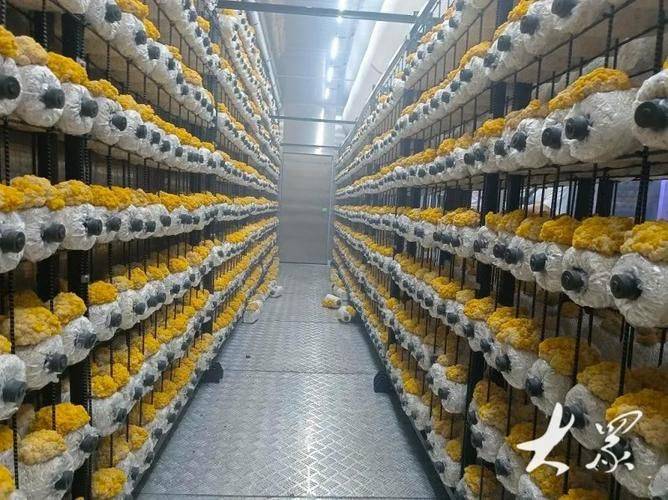
Entering the production workshop, the fully automatic culture mixer fully mixes the raw materials, such as yung bark, corn cores and wheat mills, and is sent to the charterer with an accurate conveyor belt, a bag of standardized deer fungus packs quickly forming and queuing; the machine operates in an orderly manner and the bags are in an orderly manner. “twenty thousand bags of daily production are now expected to be produced in june after the end of the post-natal period, 50,000 bags of daily bacterial packs and 12,000 tons of deer mushrooms per year. The director of the company, daiyanjiang, introduced him。
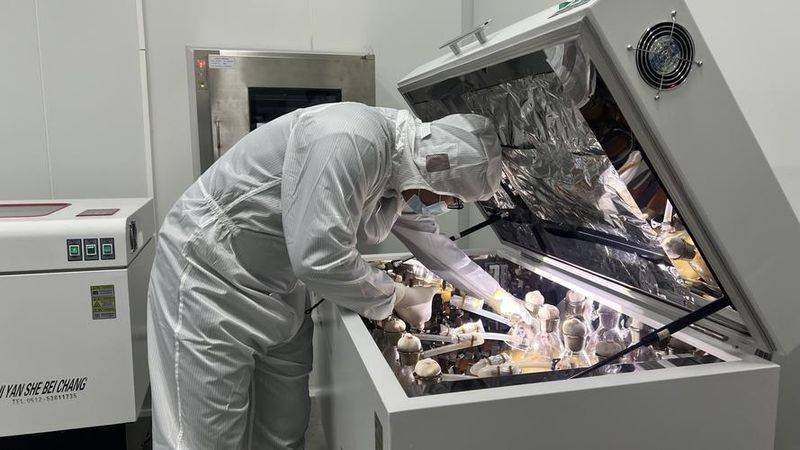
As part of the project to modernize agricultural science and technology, which was introduced in our city at the end of 2023, the production base was built by the state-owned high-tech enterprise, jiangxi province agricultural industrial industrialization corporation, jiang xiagawa biotechnic co. Ltd. The project, which covers a total of 70 acres of land and invests a total of 600 million yuan, has been steadily advancing in three phases, building a complete industrial chain that combines r & d, nurturing, extension, processing and marketing. The first phase, which began in april 2025 and began in may of this year, is currently in the packing and vaccination phase, with mushrooms expected to be out in two to three months, to be marketed and sold throughout the country in august; the second phase will build a 200,000-pack production facility for edible fungi; and the third phase will build a 10,000-ton annual edible plant and 30,000 tons of organic fertilizer. At the same time, applying the economic concept of circularity, waste capsules can be recycled and processed into organic fertilizers, and raw materials such as maize for production are purchased from local farmers as a priority, effectively leading to the development of synergies in upstream and downstream industries。
In order to play its role as a leading business, the company translates the benefits of industrial development into tangible income for the population by absorbing workers close to home and establishing a benefit-linking mechanism with nearby farmers, so that more farmers can achieve steady employment and a sustained increase in income at the “door of home.” previously, it had been able to take care of children at home, and was now able to travel 10 minutes to work at the factory, with a monthly wage of around $3,000, which is both profitable and profitable. The staff member who took up his post in april said: to date, the first phase of the project has led to steady employment for 50 people in the neighbourhood。
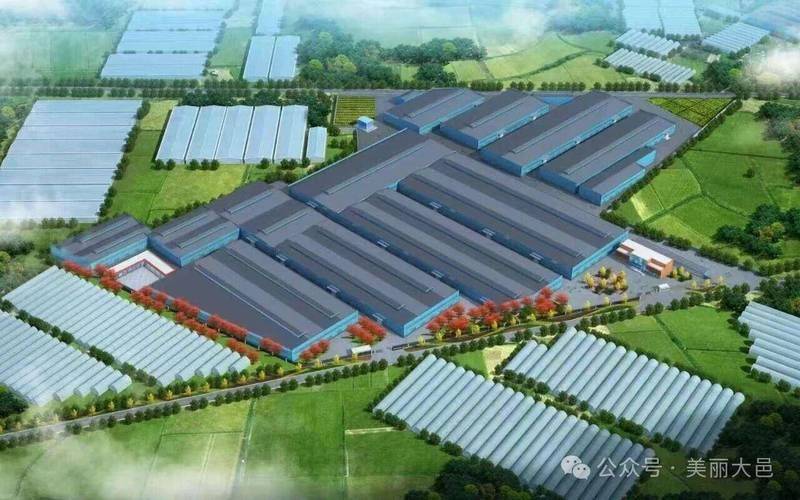
In recent years, building on the unique and cold ecological resources of the six mountain regions, our city has been able to consolidate the precision of the fungus and mushroom-specific industries, building on the capacity of the zabinin collaboration to develop the industrial pattern of “multipoint demonstration, global connectivity, full chain development” and moving steadily towards the goal of “south with ancient fields, north with solid areas”. Prior to this, the production of the ningxia chaakawa vegetable bacillus company, which had been built on short boards such as the lack of lead enterprise-led capacity, decentralized production and delayed processing, not only filled the gap between the industrial cultivation of deer mushrooms and the production of fully automated bacterium rods in our city, but also made a more effective contribution to the short sheeting of key elements of stock development, standardized production, precision processing, marketing and promotion of industry from traditional decentralized cultivation to standardization, intellectualization and full chain。