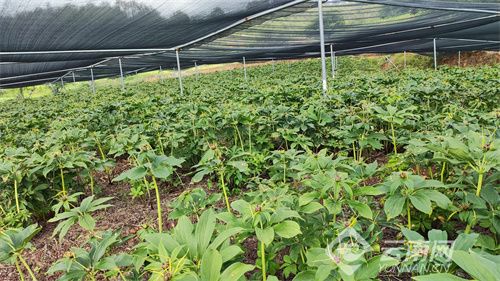
In recent years, the domestic soybean cultivation support policy has continued to land, with many farmers opting to expand soybean cultivation. Most of the soybeans are grown on a permanent basis in 300 to 400 pounds, with some of the plots growing and growing, growing thick, peeling and looking at the soybean soybean soybean, with small branches and thin bean, with a high percentage of empty soybean grains, and an unsatisfactory production during a season。
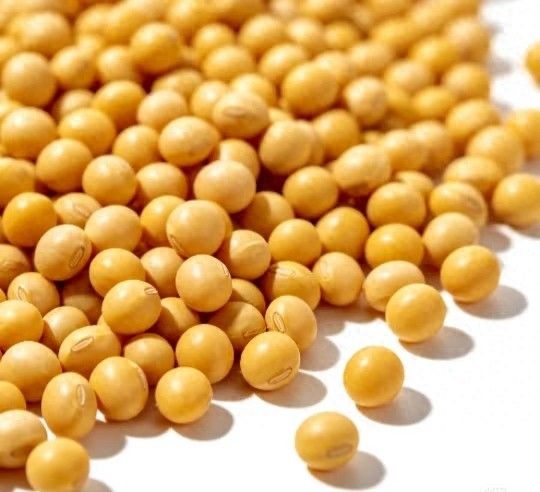
Many farmers unilaterally believe that soybeans can be harvested without precision. In the actual planting process, soybeans are the most vulnerable to two major problems, namely, excessive use of nitrogen fertilizers, water-composed imbalances, and growing plants, all of which are fully fed by tubing leaves, with few flowers and crochets, and very low yields at a later stage; and extensive field management, with unreasonable planting density, lack of water during critical periods, severe runoff and limited final production。
Reference is made to local examples of high-yield farming in agro-technical sectors, where the management of regulated cultivation is implemented in medium-soil conditions and in a climate-normal field, where the stabilization of acre production of more than 500 pounds is sufficiently feasible and multi-land farming households achieve this level of production through scientific management. Soybeans themselves have the capacity to sequester the nitrogen, and the core of management is not a large amount of input into fertilizer, but rather long-term regulation, nutrient matching and field environmental control。
This paper consolidates the experience of mature soybean cultivation in different regions of the country and brings together six highly localized management points, using plain and plain language throughout the process, with clear operational time, usage and application. The seeding is selected in the previous period to be controlled in the medium term, and in the later period to be protected against the pellet, with a complete series of processes. The ability to avoid the problem of long-growing plants in a rational manner has led to an increase in the number of branches and the denseness of the branches, as well as to a significant increase in soybean production as a whole by ordinary farmers. The full text has been verified by agrotechnical information, is not exaggerated and is consistent with the reality of the field。
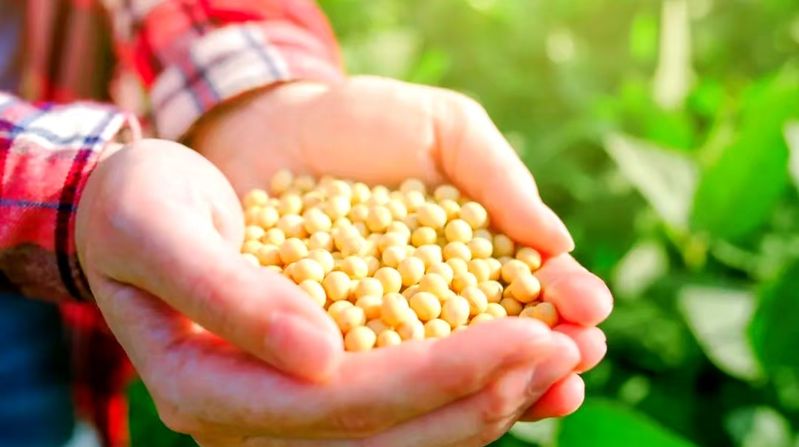
I. Optimum selection of suitable seeds, scientific treatment of seeds and establishment of a high productive base
Many farmers grow soybeans with problems of blind selection, random acquisition of varieties, cross-regional seeding, lack of maturity, weak resilience, low numbers of corsets, and poor field management. That's the first point of control for soybeans。
1. Principles for selection of varieties
Priority is given to the local agricultural sector to validate and promote soybean varieties. In the north-eastern region, medium-sized and resistant varieties are selected for spring soybeans; in the cyanhai region, the soybeans are selected for low-fertility, flood-resistant varieties; and in the southern region, the wet-resistant, anti-dry varieties are selected. The selection of varieties focuses on three characteristics, with limited maturation, medium height of plant cultivation and high invertability. Such varieties are not easy to grow wildly, are symmetrically, are concentrated and are more likely to produce more productively. The blind selection of late-finished varieties makes it extremely vulnerable to late-temperature temperatures and insufficient seed grains。
Seed screening and treatment
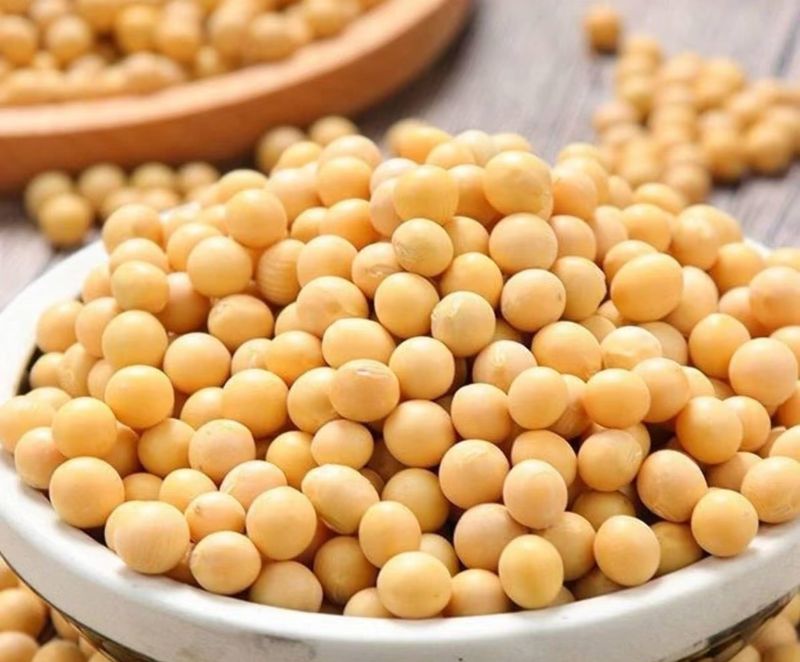
Artificial screening of pulses before seeding, removing broken, moldy and granules and ensuring that seed particles are full. Clear weather runs the seeds for one to two days, breaking their hibernation and increasing their integrity。
There are two conservative approaches. First, formal soybean-specific clothing should be used to prevent scabs, tigers and root-breeding and to ensure soybean growth; second, soybean root tumors should be used. Soybeans rely on root tumors to stabilize nitrogen in the soil and are sufficiently active to significantly reduce late nitrogen fertilizer inputs and to reduce the high risk from the source. Either of them is sufficient and cannot be used in combination。
3. Accompanying land requirements
The soybeans are being grown year after year, with the same land growing soybeans successively, with increased soil disease, reduced tumour activity, weak growth and declining production. Priority and crop rotations such as maize and wheat. The earth is fragmented, the fields are drained horizontally and vertically, the rain-fed areas of the south being particularly critical, and the roots of the fields are eliminated。
Ii. Strictly controlled seed density, reasonable control depth, and avoidance of subsequent depression
Soybeans are soybean, most of which are directly related to crop density. Some farmers feel that the more they sow, the more they sow, the more they sow, the more they sow, the more they sow, the more they grow, the more they grow, the more they sow, the less they get, the less they get, the less they get, the more they get。
1. Subregional regulation of seedlings
The whole is guided by the principle that the higher the fertility of the soil, the lower the intensity of cultivation, and the low-energy plots of land, which can be moderately planted。
(a) soybeans in the north-east: between 12,000 and 15,000 units per acre of medium ground capacity
(b) soybeans in the cyanhai: between 13,000 and 17,000 per acre
Soybeans in the south spring and summer: 14,000 to 18,000 units per acre。
The soybean species with more branches floated down 10 per cent. Regular soybean seeding is maintained at between 4 and 5 kg per acre, so as not to increase it at will。
2. Sowing deep and light control
Appropriate sowing depths of 3 to 4 cm. Soils can deepen to 5 cm due to aridity; adhesive land, plentiful plots, can soak 3 cm. Scrolling is shallow, and the timing of seeding is uniform, so that the seedlings do not come in a position to oppress the seedlings, so that the balance of the later periods is balanced and the overall strength of the strains is reduced。
3. Sapling in time after seeding
The soybeans grow to the stage of two leafy leaves, patrol the fields in a timely manner, and seedlings are replaced with seedlings of the same age. The plots are over-stretched and artificially removed. To ensure that the whole field is smouldered, and that the fields are ventilated and the long conditions of depression are circumvented early。
Iii. Fertilizers insist on less nitrogeny potassium phosphorus, adding trace elements as required and eliminating blind pursuit of fattening
The biggest error in soybean cultivation is the large-scale application of urea. The soybean root gynaecosis absorbs nitrogen in the air on its own. Nitrogen is overweight and most likely to cause the leaf to grow and torn apart. The scientific fertilisation logic is the steady application of potassium phosphorus to the base fertilizer, with a small amount of extra fat for the flowering period, when required, combined with trace element promotion。
1. Bottom fertilizer application programme
Medium fertilized fields with about 1,000 kg of fertilizer per acre for mature farmers, with 12 kg of ammonium phosphate and 6 kg of potassium chloride; or directly with 15 to 20 kg of soybeans-specific compound fertilizers, with the side being applied deep below the seed 8 to 10 cm to avoid sprouts from direct contact with the fertilizer。
The ground is fertile and bottom fertilizer directly reduces nitrogen fertilizer inputs, mainly on phosphate potassium。
2. Long-term fertilizer-seeking guidelines
Overall control: long and robust plots with no urea applied at all。
One branch: soybeans are yellow, thin, urea is applied in small quantities of 3 to 5 kilograms per acre, and they are not fat。
In the first two flowering periods, which are key nodes for nutrient conversion, a weak field is planted, with 10 kg of high potassium compound fat per acre; the plant is thick and tendentious, with no fatting on the ground and only leaves supplementing nutrients。
3. Leaf supplementation corrosive stupor (universal)
The first flower, the beginning of the condensation, and the stage of the drums are sprayed once. Matching programme: 200 grams per acre of potassium phosphate, 50 grams per acre, 25 grams per ammonium molyte, evenly sprayed 35 to 45 kg of leaf。
Bronze promotes flowering, molybdenum increases the nitrogen-fixing capacity of root tumors, phosphate dihydrohydrocyancinosis is strong, and combinations can be used effectively to reduce the falling of flowers, increase the number of single active beans, reduce the number of empty seed grains and form a fixed-use foliage mix for most high-yielding farmers。
Iv. Phased water control, planting of seedlings and drought and flood prevention during flower season
Water control directly determines the direction of soybeans. The soil is disproportionately watered, its roots are shallow, and its plants are prone to long run-downs; and the critical magma period is characterized by a shortage of water and a large number of flowers fall off. Soybeans water management can be divided into three phases。
1. Shrimp control
The soybeans grow before they bloom, so long as the leaves do not show visible atrophy and drying up, and they do not water. A moderate drought can force soybean roots to deepen downwards and to become more resilient and resistant to drought in the later stages after they have developed。
2. Adequate water supply between flowering and endowing
This is a critical time period for soybeans, where the soil is dryed with small ditches or sprayed to refill the water, which is strictly forbidden. Single irrigation can be wet on the surface of the soil, avoiding water accumulation in the field。
This period was characterized by heavy rainfall, with the first wiring of the drains so that the rains stopped without water. The soybean roots have suffered from a shortage of oxygen and decay for more than three days, and the root tumor has died, causing the plant to fall directly into the larvae, and causing a premature failure。
3. Post-drum water control
The soybeans graft phase reduces soil moisture in the fields, promotes the rapid abundance of the soybean grains, avoids the secondary expansion of the leaves and guarantees mature harvests。
V. Rationally conducting dynamic operations that shift control time and usage to nutrients
The first four were managed in such a way that most parcels would not grow significantly. However, in the years when rain is abundant and the earth is fertile, there are still long-growing plants, fat leaves, and premature long-term growth. Control is not the only way to suppress soybeans growth, but the central aim is to contain the growth of the top nutrients and to feed the nutrients to the soybeans。
1. Time for precision judgement control
Best control time frame: soybeans first flower. The assessment is that soybean plants are 45 to 55 centimetres tall, that field blades are bound to each other, and that the length of the main tubing is increased requires control。
2. Compliance levels and operations
Priority is given to the use of 15% more than thorium wettable powder, with 15 to 20 grams per acre, 40 kg of water and even application of the evening lobe; it is also possible to use the acetate control agent, which is mild and not easily excessive。
The main soybean plant is sprayed at the top and upper middle and only once. Large and extremely dynamic plots can be replaced with a seven-day interval to reduce pharmaceutical use。
3. Artificial auxiliary control and dynamic supplementation
The fertilizing and infinity of soybean varieties allows for the artificial removal of 2 cm of the upper tip of the main tuber during the flowering period, breaking the top advantage and promoting the growth of the side branches. Bad plots, limited mating varieties are not recommended for peaking and can easily be reduced。
A clear reminder that long, thin, dry plots, and the prohibition of any form of control, can lead directly to stunting of soybeans and declining yields。
Early prevention of diseases and pests in the medium to long term to reduce the depletion of soybeans and to preserve overall production
Even when soybeans are sprawled and condensed, medium- and late-stage pests and pests erupt, they cause the soybeans to fall off, the seeds torn apart and the yields to shrink significantly. Soybeans and pests maintain a pre-preventive focus and reduce the production reduction associated with them。
1. Focused objects for different periods of time
The first stage of the acupuncture is from aphids, smoke and lice, which induce soybeans viruses and can be sprayed with low-toxic conventional insecticides。
2 pumping stage: core protection against soybeans and soybeans, which are drilled into soybeans and produce large amounts of soybean. In the later stages of soybean blooms, pharmaceutical prophylactics are generally applied to reduce the cost of individual drug treatments by combining leaf fertilizers。
Common diseases: froste, purple spots, high-rain and wet weather prone to outbreaks, the maintenance of ventilated light in the field can significantly reduce the likelihood of a disease, the occurrence of disease is sporadic, and treatment is selected with a registered compliance microbicide。
2. Field support impairment management
In the middle and later stages of soybean growth, old and sick leaves close to the ground can be moderately removed from the base of the plant, with an increase in inter-walk ventilation, a reduction in field moisture, a reduction in the incidence of disease, and more nutrients for the upper leg of the soybeans。
The soybeans are approaching the stage of maturity, avoiding any random step on the branches of the field, preventing the soybeans from falling off and securing the return of the particles。
Vii. Integration of management logic and rational view of the 500-pound acre target
The core logic of high soybean production is easily understood by reading six management points: a solid pre-sprout plant, a controlled density of water fattening, a medium-term high-strength promotion of branches, supplementation of potassium phosphate plumbing, and a reduction in losses and losses in post-preservative plume。
There is a need for an objective and straightforward explanation that soybean acre production is stable at 500 pounds and that it requires a combination of suitable climatic conditions, medium and above, followed by a set of management measures. Production fluctuates in marginal drylands and disaster-prone regions, but increased production of 60 to 120 pounds per acre is common compared to gross cultivation patterns, which are strictly managed according to six main points。
Many farmers grow soybeans only to catch up on fat, neglect density, water control, and the management of the soybeans, which eventually thrive. Soybeans are cash crops, but soybeans do not amount to neglect. The ministry of agriculture and rural development's soybean high-yielding extension programme makes it clear that ordinary daejeon has standardized field management through a good mix of seeds, that acre production exceeding 500 pounds is a practical and normal target, and that there are a large number of agricultural household practices validated in various locations。
Farmer farming does not have to be blindly investing in large amounts of agricultural resources to capture the above-mentioned six core elements and avoid the three wrongs of excessive nitrogen fattening, excessive density and flooding。
End topic discussion
1. In previous years, where soybeans had been grown from home, was the production low mainly due to the presence of large and long-lived ovines or pests and weather causes
2. What are the six soybeans management points, what are your daily plantings and what practical experience can be shared
An exchange of soybeans cultivation ideas and cross-references in the comment area would be welcome。