Summer life plays katy
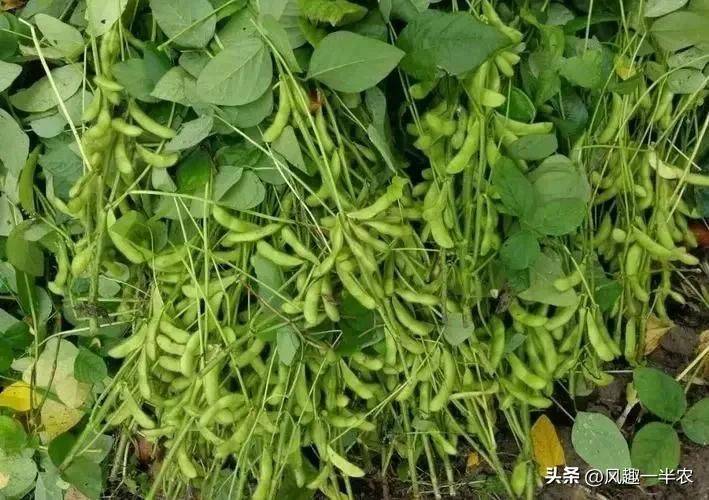
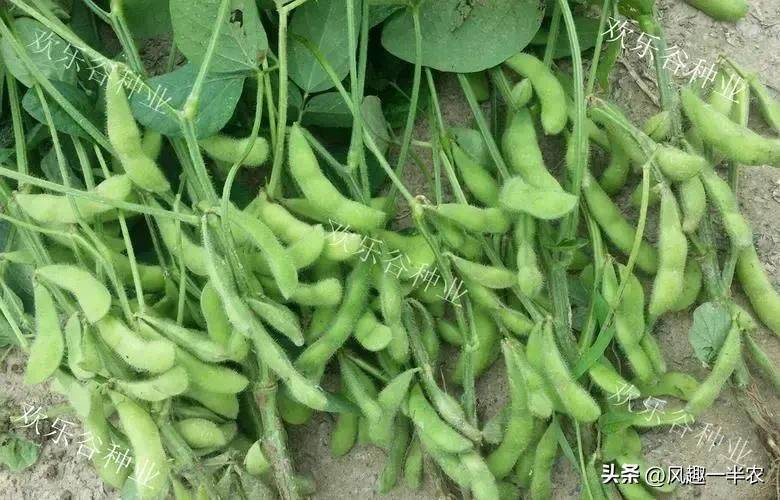
Fresh soybeans are a type of vegetable that smells different from ordinary soybeans and is very popular with consumers. For growers, an acre of fresh soybean income is 2 acre. In particular, the development of new soybeans in the autumn, which are sold on holiday or late seasons, results in higher revenues. In order to grow fresh soybeans in the summer, the following key aspects of planting techniques are shared。
I. Selection of excellent varieties
High-yielding, high-protein, good quality, insinuation resistance and adaptive, high-quality soybean varieties documented through validation or seed. The gangnam region has a relatively long reproductive life, with medium- and late-term soybean varieties such as soybean 17, 18, 21, soybean 4. Pre-cooked varieties with relatively short reproductive periods are selected in the quasi-northern regions, such as wee bean 16, xu bean 18 and xu bean 15. Seeds should be selected and sprouts tested prior to sowing, and seeds with low growth and low vitality should be banned。
In order to prevent endemic diseases, such as soybean scabs, scabs and scavengers, which are common to soybeans, it has been chosen to plant pre-planting with clothing or to buy wrapping seeds. Embroidery, microfertilizers and seed wrappings can also be used simultaneously, with microfertilizers followed by drying and seed wrapping。
Ii. Requiring
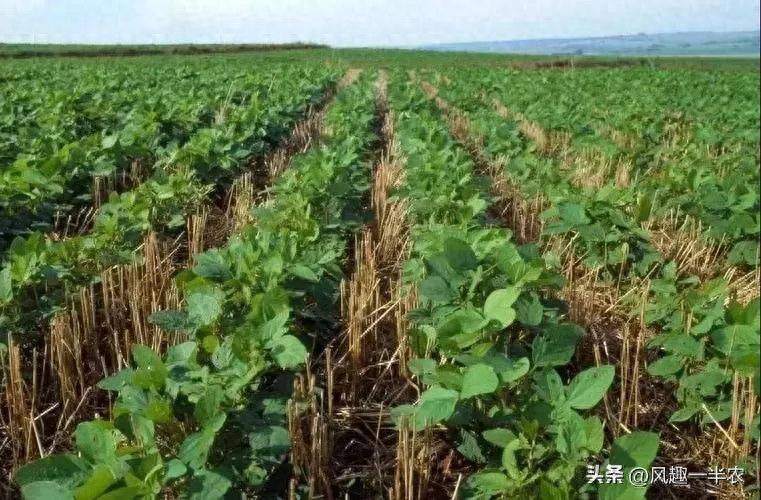
The soybeans season for summer feeding is usually from mid-june to early july, and the drum harvest can be from late september to late october。
Premature transmission during the appropriate period of time is key to nurturing a seedling to reach its full capacity. The soybeans should sow when the soil is warm after the harvest or when a single rainfall is more than 15 mm; in the event of drought, the method of seeding may be used. The surface is not enough, but the soil is more suitable in 20 cm depth and should be sown in shallow sprouts. (b) promote seeding and fertilization of one-time seeding and fertilization operations without the need for precision. The seeding rate, determined by the variety and strength of the field, ranges from 30 to 40 centimetres and saves 12,000 to 15,000 seedlings per acre。
Iii. Fertilizer regulation
Fertilizer management: the soybeans are more fertile in the summer season, and in order to increase the production of fresh herbs, it is necessary to apply sufficient fertilizers, combining nitrogen, phosphorus and potassium, and not a single element. At seeding, 25-30 kg of compound fertilizer (15-15-15) per acre was applied. Since soybeans are sensitive to nitrogen fattening during summer seasons, it is necessary to increase the application of nitrogen fertilizer, particularly during flowering seasons, which can significantly improve the production and quality of fresh acupunctures and keep them green. On the basis of the long soybean field of the summer season, 10 kg of compound fertilizer per acre or urea 3-5 kg + potassium sulphate 5 kg, as appropriate, between the flowering period and the drum. A combination of water can also be used for flushing with water soluble fertilizers, and leaf spray。
Hydrological management: the saying that soybeans poach shrimp in flowering ground suggests that soybeans have peak water needs. Rationally adjusted irrigation periods to ensure a gradual increase in soybeans during flowering. The greatest amount of water is required by the mackerel drum period, during which drought can have a serious impact on production. Therefore, water recharge should be combined with weather, soil, etc. The water recharge is water over the ground and does not reach the level of “shrimp touch” in the ground, and if soybean roots are aerobic, causing leaves to turn yellow or flowers to fall。
Iv. Treatment of worth and ground
The focus of the sapling period is on the root causes of the disease, with the option of a combination of insecticidal agents such as aphid chromium or acne. During the flowering period, priority is given to the prevention of viral diseases, which can be transmitted to insects such as amphibians and high-efficiency chlorocylene sprays. The focus of the peptology period is on the prevention of purple and grey spots, sprayed with methyl sulphate and ester. The response to decomposition is to spray ethylene ester with etheral beryllium or ethylene ester with estrogen without decomposition。
Sprayworms such as soybeans, rolls, heart eaters, etc., can be treated with sprays such as mechamino-avicin benzoate and chlorothychlor。
Prevention and treatment of weeds in the fields should be based on agricultural measures and supported by chemical weeding. Weeds can be effectively prevented from growing in the middle of the seed season。