Technical advice on high soybean production in the summer of 2023
I. Selection of varieties
High-yielding, resistant and high-quality varieties of soybeans are selected, e. G., mid-jew 34, xu bean 14, monitor soy, 12, hua beans, 40, 10, etc. Seeds are wrapped with fungicides, which can be used with fungicides such as aphids, aphids and anthracis。
Scientific seedling
(i) early planting. Following the harvest of wheat, potatoes and watermelons in early and mid-june, seedlings were built in time for a period not to exceed 25 june。
(ii) sterilization. A full-scale seedling should be replanted in a timely manner, if there is a shortage。
(iii) reasonable secrecy. Five to six kilograms per acre and 130 to 16,000 plants per acre. Pre-cooked varieties can be planted in a dense manner and later in life。
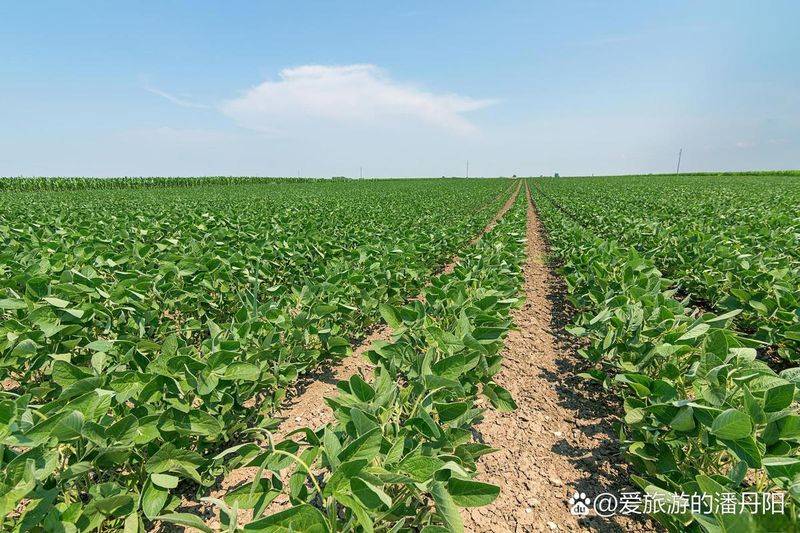
(iv) cultivation. The average line distance is 30 cm and the range is 10-12 cm. A wide range of 40 centimetres and a narrow line of 20 centimetres and a range of 10-12 centimetres may also be used to sow。
(v) strict sowing depth. Before seeding, the soil can be turned over to disinfect the sun. Soybeans plant at 2-3 centimeters. If the sowing soil is dry, the planting depth can be increased to no more than 5 cm. It is important to ensure that they are well, well and strong。
(vi) the use of mechanical transmissions. Potassium potassium 15-15 per acre is used 10-15 kg of composite fattening, with a margin of 9 cm or more, to prevent the burning。
Iii. Chemical weeding, fat hunting
(i) closed weeding. Before sealing off herbicides before seedlings, the soil must be completely levelled to ensure that there are no wheat straws and weed residues on the ground and that pesticides are distributed equally. The seven herbicides that are registered on both maize and soybeans are available for pre-polyplant spraying。
(ii) weeding after seedling. The seedlings were followed by soybeans covering 1-3 leaf and weeds covering 2-5. For broad-leaved weeds, 25% sulfamide aquatic agent 4-6 ml per acre, or 44% g of aqueous water agent 8 ml or 24% of aqueous water agent 4-6 ml to water spray. The soybean crop yields more grass, and in the second to fifth leaf of the weed, 50 ml of cream per acre is used to spray 40 kg of water. The fields that occur in both types of weeds can be combined with the above-mentioned herbicides and the two types of weed. The application should take place at noon on windless mornings, with care to avoid harm to other crops adjacent to the fields。
(iii) catch the fertilizer. In the flowering season of soybeans, urea is 4-5 kg per acre, depending on the strength of the seedlings。
Iv. Chemical regulation
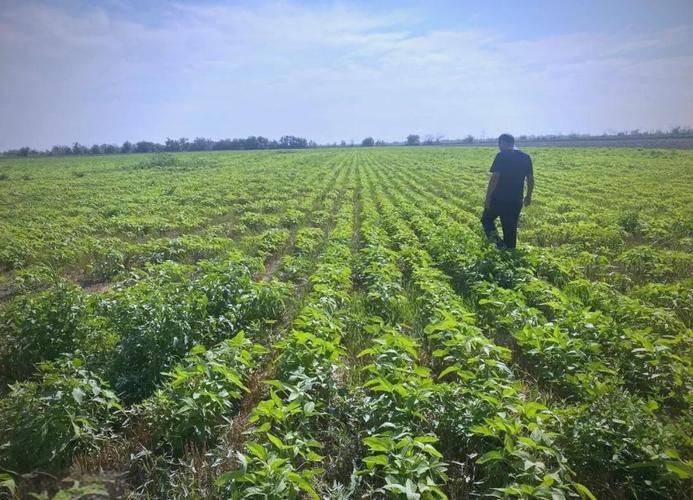
(i) high-fat water parcels, with large trends, can be regulated during the prime flower with chemical regulaters such as acetamine, polyoxins, soybeans and soybeans, with a 3% acre with 20 ml or 15% fentanyl humid powder of 40 g to 45 kg spray. High-water fertilized plots can easily cause soybeans to fall back. Soybeans are permanently divided into nutrient growth and reproductive growth, with pre-nutrient excesses, and soybean strains can grow crazy, affecting the reproductive growth of late-stage soybeans, resulting in small or no seeds。
(ii) low fertility plots can spray small amounts of urea, potassium dihydrophosphate and other nutrients on the front of flowers and drums to prevent fertilization and early decay at later stages. In general, two sprayings of 100 grams per acre of potassium phosphate and 50 kg of urea were applied evenly。
(iii) appropriate supplementation of trace elements such as molybdenum and boron. Soybeans are sensitive to molybdenum and beryllium, and the planting of a plant is severely short of molybdenum or boron, which can also lead to a lack of obituary or seed. Some trace elements are required for normal soybeans, of which more important are molybdenum, boron, zinc and manganese。
V. Bug control
(i) premium. Watch out for aphids and red spiders。
(ii) pest management in the flower age. The growth of soybean worms, soybean turquoises, soybean worms and larvae, in particular, the lack of development of seeds following hazards such as blindness, beams, scabs, dots, etc., and the phenomenon of scavengers following the scabs. Therefore, for timely treatment, 2-3 doses can be sprayed with agents such as carbino or chlorocypermethrin plus lactation。
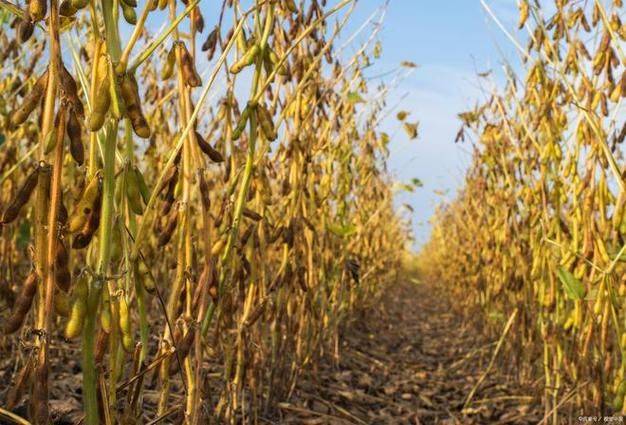
(iii) drum periods continue to combat soybean moths, bridge worms, soybean larvae, etc., to protect plants from damage. Soybeans heart-eating pests can cause emptiness。
Vi. Timely water, drainage and irrigation
Droughts during the summer soybeans and drums should be watered in time for the excessive seeds of drought to be stunted. Floods during the rainy season require timely drainage。
Vii. Enough access
When the leaves are yellow, the skin is dry, and the shaking plant has a bell。
Rural and rural directorate of the state of suai