In autumn, it was a time of traditional harvest when the rice waves rolled and the fragrance of the guacamole ran. Today, however, vegetables such as broccoli, tomatoes and cucumbers on supermarket shelves have been in place for four seasons, and the word “yellow” has disappeared from the dictionaries of modern human life。
What changes are being made when prefabricated vegetables become the focus of discussion, when delivery becomes a daily choice, and when we are most truly connected to the land and food
The industrialization of agriculture and food production appears to be an irreversible trend in the eyes of associate professors at the university of the capital. However, he also pointed out that markets were sometimes irrational — for example, excessive pursuit of “sweetness” — which deprived crops of their already rich taste。
At the same time, with the dual choice of markets and taste buds, the “new” and “old” changes in our table are delicate. In the field of agriculture and agriculture, which has been in the public service for many years, ma has been involved in seed protection. She saw the scene at the king of hebei village of kimbok, where the villagers were still working on hundreds of crops in the terraces, and where more than 100 local varieties were kept in community seed banks. “specific diversity is not based on heaven”, not only on the survival wisdom of farmers, but also on a simple philosophy of coexistence with nature。
Despite unprecedented food diversity brought about by breeding technologies and logistics systems, more and more people are turning to the balcony to try to grow them. The rise of prefabricated vegetables is, in some ways, a mirror reflecting the complex emotions of modern human beings: we embrace easily, but we still instinctively aspire to the true connection to the land and to the natural state of “from the field to the table”。
This time, taalk, a horticulturalist, invited botanical scientists to talk about the variety, cultural memory and land sentiment behind the fall harvest, and to discuss the deep links between us and food, and with nature, which are “crop-and-crop”。
* click down to listen to the show
Where's the smell of the fall harvest? Tark
[connect ]
Chen yukun, editor of news
This time
An associate professor, botanist, university of the capital
Ma xiaociao, a pro bono farmer
The main map is ai
Excerpts
* the following are oral statements based on sound recordings of the programme, with only minor modifications to grammar and terminology。

Food table changes: "the disappearance of taste"
You can buy better food if you want to spend more. West red tomato
The dietary preferences of each individual vary, as do the changes at the table. For example, the west orchid is the main reason for light food, not the disappearance of other food。
In the long run, the varieties of fruit and vegetables have changed for thousands of years, as in the case of the ancient apricot, which has been replaced by higher-yield, transport-resistant varieties. But the variety of markets is much richer in human life。
In the case of tomatoes, for example, our vegetable supply has undergone a process that has gone from nothing to nothing. In the 1980s and 1990s, in order to secure supplies, many species of durable transport were grown, but their taste was poor. Today, logistics is well developed and soft and delicious varieties are widely available, and consumers can choose between low-priced and durable tomatoes and the purchase of more popular varieties such as “provence”。
I've been shopping around the market, and i've found that all the varieties sold are market-screened. For example, a 21 dollar triangulation of peppers or sweet fruit peppers, positioning is fresh and does not require high expectations of nutrition and taste。
Ma: there's no green or yellow fruit, but the old smell is disappearing
Today, we eat more and more the same food every four seasons, and vegetables like broccoli, tomatoes, cucumbers are readily available in supermarkets. The previous so-called “green-leaved” period — the run-off of vegetables between spring and summer and autumn — has now gradually disappeared。
Although there appear to be more varieties on the market, minor differences between specific varieties, such as changes in the taste of tomatoes, are often overlooked. Only when eating raw food is there a significant difference in taste。
In contrast, maize is becoming more abundant, with new varieties such as fruit and corn emerging, while traditional old corn is becoming difficult to find. The change of varieties is happening to us。
The younger generation is becoming more diverse, and the development of logistics has made it easier for them to taste food throughout the country and more willing to try new ones. Parents prefer to make their own fermented foods, such as yogurt and tomato sauce。
Affordability: the market's irrational pursuit of high-sweetness, allowing sun roses to fall down the altar
The notion that the wild is better than the home is a mistake. The history of human breeding proves that good varieties need to be nurtured rather than wild. But market orientation is not always rational。
White strawberries, for example, introduce wild white strawberries, which, apart from their slightly distinctive colours and scents, are less sweet than a good red strawberry variety. A lot of people try it once and they won't buy it again。
And soft-tree monkeys, the wild fruit of china, have received attention in recent years. Previously, it had a long history of nurturing in japan and europe. There has been significant progress in native breeding。
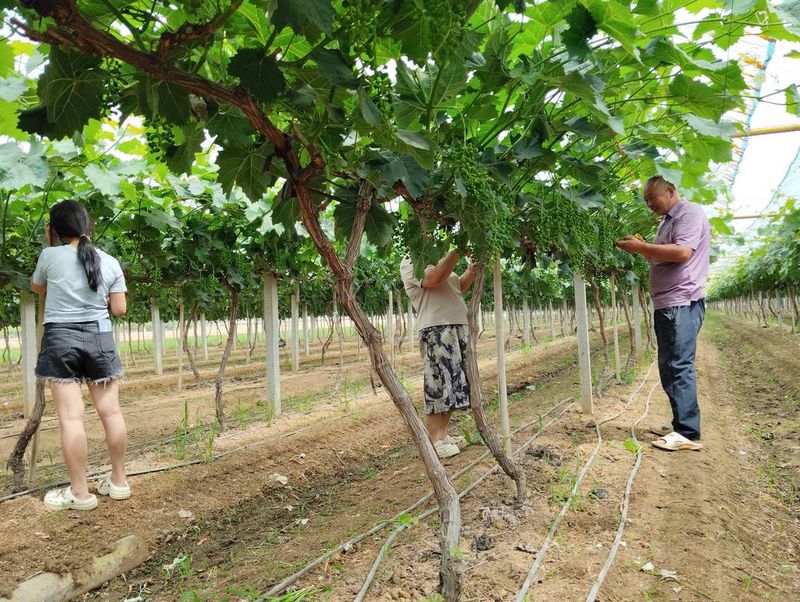
There are sun rose grapes, and japan’s country of origin has very strict requirements for both the physical and the aromatic indicators of its fruit; but when it is promoted domestically, you focus only on the indicator of “sweet 18” and other factors are ignored。
Now the price of sun roses is falling, but the quality is very bad. Many people who have tasted it have the feeling that, apart from sweetness, they have no special features, rather than traditional varieties that are more popular than giant peaks。
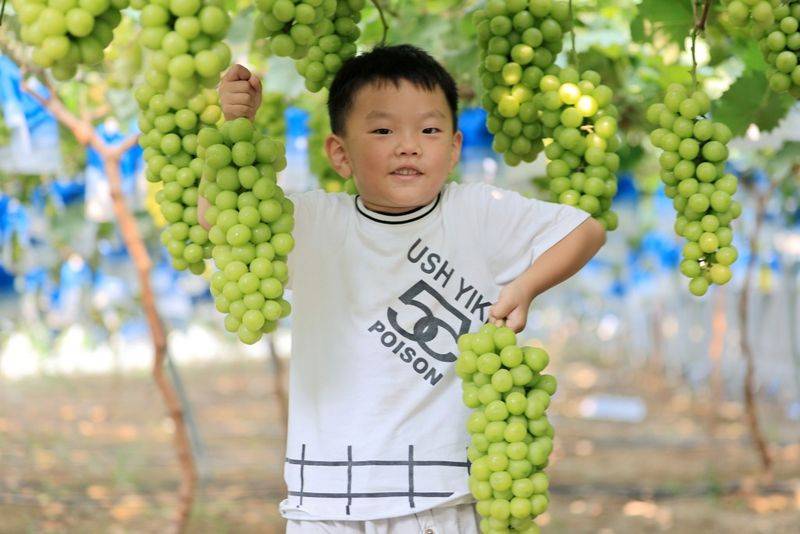
Ma: it's considered a new type of genetically modified species, but it's the old smell
For the first time, many people saw yellow and green tomatoes as new genetically modified varieties, but they were forgotten old varieties. The only reason for this was to leave the market. Today, farmers are recultivating for the rich, and consumers are new。
In addition to seeds, the planting process is critical. There are farmers who talk to me about “too good” conditions for growing crops, such as proper water shortages and reduced fertilizer, which can stimulate more fragrance。
In recent years, the incidence of blind and wind-growing farming has decreased, with more small-scale eco-farmers selling through small crowds, independently pricing and producing on demand. However, small-scale farmers still face difficulties: hybrid seeds cannot be planted, rely on corporate seeding, and if supplies are cut, only varieties can be replaced。

Autumn harvest memories: land, human and food emotional links
Concealment: old seed fever friends, finding lost flavor and diversity for the market
In order to preserve the diversity of vegetables and fruits, it is not necessarily necessary to pursue new varieties, but, in many cases, to dig for forgotten “old tastes”。
I know some people who collect seed for family heirlooms, most of them agriculturalists or lovers, and some are even obsessed with a particular product, such as tomatoes or peppers. They collect all kinds of seeds, plant them in their fields, and then share them or sell them to people of equal interest. Some have done well and will sell the fruits of these specialty varieties directly。
It is their efforts that have preserved more varieties of fruit and vegetables for us. If you have the opportunity, you might want to try these varieties. Their taste and taste are very different from the commercial varieties that are available on the market。
Russell said, "the diversity of knowledge is the source of happiness." i often encourage friends and students not to limit their taste preferences too early and to try different foods as much as possible. What matters is not how many “goods” you eat, but the pleasures and surprises of diversity itself are felt in the process。
From a “food-eating” point of view, this is perhaps another important aspect of protecting crop diversity。
Ma: i saw the farmer's fear of food at the king of hebei
We are acutely aware of farmers ' fear of food in the king's gold bank, which is deep in hebei taishan. This village, known for its topsoil and chosen for the world agro-cultural heritage, is home to almost every second floor of food that has been available for years or even more, derived from a sense of crisis nurtured by difficult circumstances。
The seed banks of local communities have preserved hundreds of crops, mainly drought-resistant beans, and are an important source of protein. They also practice the ancient teaching of “destroyed earth” and ensure harvests by planting diverse varieties。
Most moving is the fact that the villagers will express their gratitude to their family's little donkeys, who are the main helpers in the cultivation of the terraces, for cooking in winter。
The protection of old seeds is by no means nostalgic, but necessary. Seed protection takes two main forms: “relocation protection”, where there is a gene pool, and “in situ protection”, where seed is planted every year。
Both methods are designed to preserve crop genes. Genetic diversity helps us not only to breed new varieties, but also to cope with pests and extreme weather。
For example, it took years for jiangsukun mountain to regenerate its farm with the so-called "supreme" rice that used to be a tribute. However, the use of this variety and the methods of cooking have yet to be explored。
Another example is the two great museums of kim hua, which allow visitors to understand the significance of biodiversity conservation through the display of endemic pig species。
Affordability: our feelings for the land are diluted by the abundance of food, and this is not wrong。
It is very time-consuming to grow land, experience agricultural work or cook at home. Time, on the other hand, is precisely the scarcest resource available to young people。
This deep-seated chinese feeling of the land, in fact, stems from a long history, and we must rely on direct contact with the land to survive. However, the food supply is now adequate and the attachment is gradually diminishing. Even a lot of people think apples grow on supermarket shelves. In one way or another, it is also an expression of social development — one that does not have to grow land in person, and that is free from fear。
I also don't encourage you to dig wild vegetables, pick wild fruit or pick wild mushrooms blindly. Don't put wild plants or mushrooms in your mouth unless you're 100% sure you can eat them。
This year we have seen a lot of reflection on the tide of “fields”. The previous extraction activity was small and scattered, and you took your own food. But now it is completely different — driven by the flow of social platforms, the primary purpose of many people's picks is to take pictures, followed by food, and the lack of moderation and large numbers of participants, which puts enormous pressure on wild plant populations。
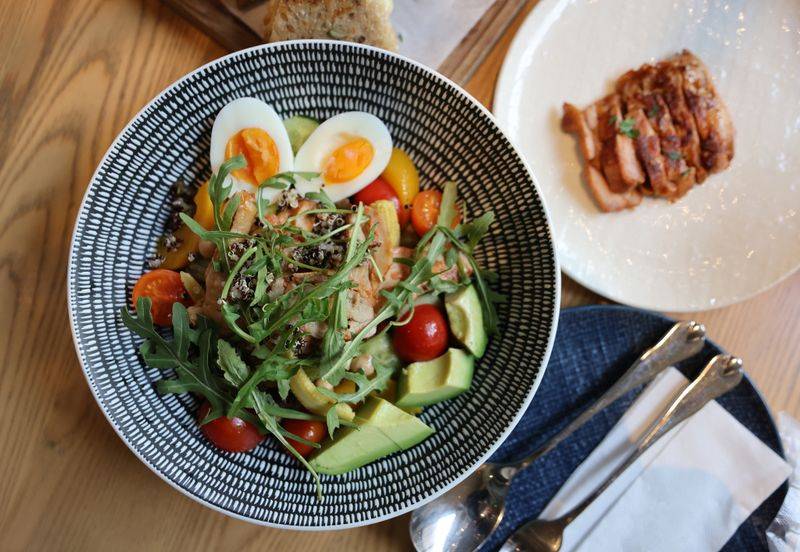
Ma: we're moving away from real land while trying to reconnect with nature on the balcony
After 80 years, i feel deeply that our generation is getting farther away from the land. When i was a kid, a lot of my friends had a summer vacation at grandpa's and grandma's, but now i'm afraid that's a rare opportunity。
It is also a phenomenon that the further away young people are from the land, the higher the acceptance of the western fast-food culture, as if it were two extremes。
A lot of people think of the field life as being particularly beautiful, such as the young people who are now interested in the “cropping of the balcony”. We have a very active horde of vermin farmers, some of whom are very professional, from soil improvement to irrigation systems. The planting of vegetables is actually a bridge between people。
But if you really want to start a small farm, there's too much skill. It's not just to grow, it's to know the market, it's to sell。
So don't encourage people to go into the pit blindly. A project for eco-agriculture interns has been set up, and young people who want to go home to start their own businesses are advised to come to the farm for a few months to see if they really fit。

The future table: back to tradition or embrace technology
Affordability: industrialization of agriculture and food production is an inevitable trend
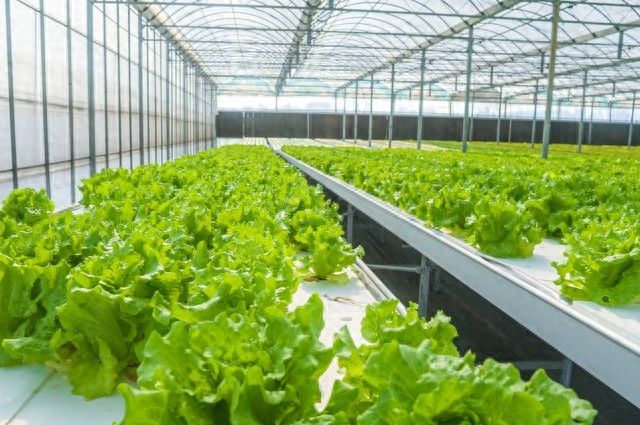
Prefabricated vegetables, in my view, have value in ensuring that everyone is fed. Industrialization of agriculture and food production is an inevitable trend. If more people are to eat food of average quality, we must rely on industrial production。
On the other hand, the human quest for food diversification will never disappear. This trend should not change in the coming decades, as long as society does not undergo a radical change like the one that has happened with the " vagrancy " 。
So i think that by 2055, our table might not be so different. The price of food so-called “growing under the natural environment” has not risen to unacceptable levels for ordinary people。
Speaking of my favorite autumn smell, i'll pick citrus. But to be honest, if there is only one smell of citrus left in the world, it's too much to live for. Only diversity can bring true happiness。
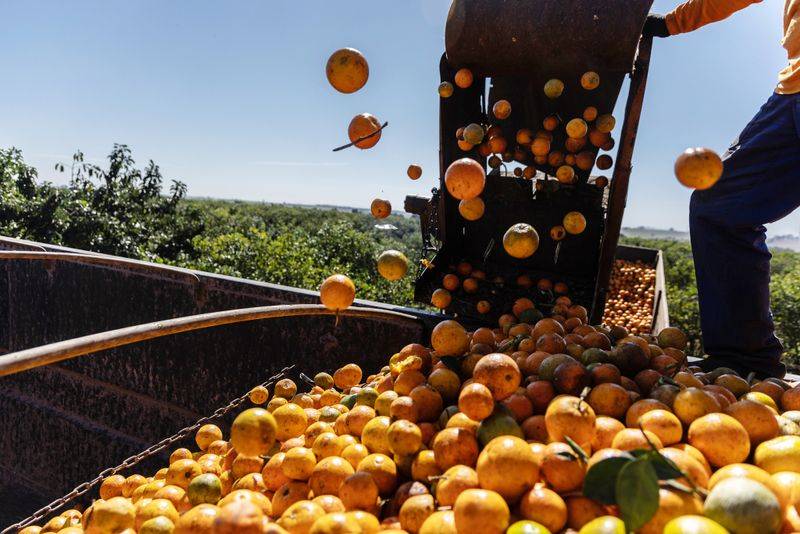
Ma: i hope that in the future there will still be a living taste of the earth。
Genetic editing technology is known as the second green revolution. Unlike the objective of the first green revolution to increase production, this time we both look for a greater sense of taste and fear of potential risks。
Perhaps the future will be a luxury only if food grows from clean land. So i hope that, by 2055, there will be fresh vegetables and fruits in my plate, even if they become expensive。
The other day i ate an iron-cooked goose in a friend's home and put a round of cakes made of fresh corn grinding。
We all hope that the table will always be rich in diversity, and so will the autumn taste — sour apples, pears, freshly polished corn paste, fragrance flour — but if only one is chosen, i may think of tomatoes. The full colour is the best symbol of the autumn harvest。
Time axis
01:12 the first pumpkin in the fall. How many do you know
04:31 inversion of tomatoes: from "hard steel" to "soft sweets"
Three peppers at 09:09 21? He's not here to fill his stomach
12:23 white strawberry: what's left besides taking pictures
16:36 how did the grapes love horses fall to the grapes road
23:11 small-scale farmers' impotence: what happened to the species of love
25:15 this is a worldly village, cooked for the little donkey in winter. Noodles
36:31 cooking on the balcony: what is it, not food? An anxiety cure
43:18 return of young people to their areas of cultivation? Don't waste your waist
What happens to the autumn breakfast in 2055
51:46 prefabricated autumn smell. Botanical scientists. Look

In the little cosmology, the himalayas