In long-term production practices, the researcher and grower have repeatedly explored a high-quality system of high-yield cultivation techniques based on “soil improvement, seedling optimization, precision fertilization at its core and field regulation as a guarantee”. This paper will provide scientific technical guidance to growers through a comprehensive and systematic analysis of key know-how, such as cold and tan in deep winter spring soils, scientific fertilization (organic fertilisation + composite fertilisation), the selection of detoxicated seedlings, timely control and precision application of estuarine and crack fertilizer。
I. Frozen and tanned soils in the winter and spring: building a high-yielding and high-quality soil base
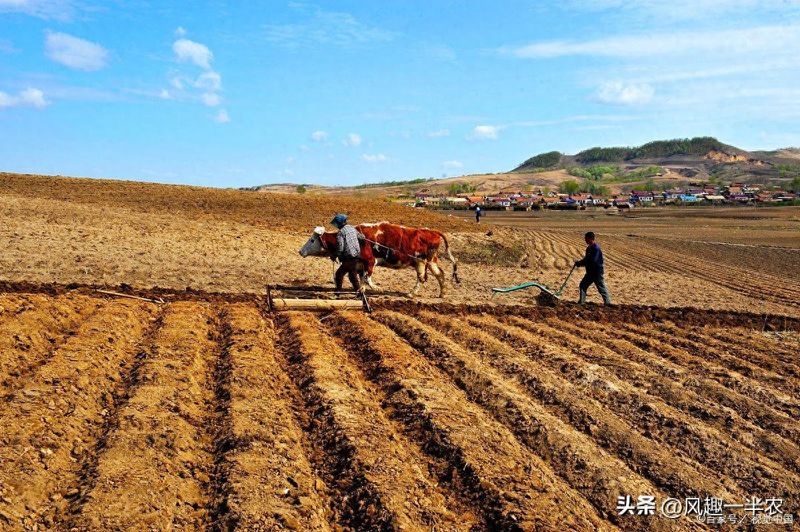
The soil is the core vehicle for the growth of the sweet potatoes, whose physicogenic properties directly affect root system development, nutrient absorption and root expansion. In winter, deep pine soils and freezing sunbaths are key initiatives to improve soil structure and soil fertility, creating a good soil environment for the whole reproductive period of potatoes。
(i) technical rationale
The root of the red potato is a strategist, and the formation and expansion of the roots requires decomposition, air penetration and deep soil conditions. In winter and spring, deep-seated soil can break down the ploughs formed by long-duration ploughs, increase the thickness of the soil and improve soil aerobicity and permeability; fully divide soil particles through freezing suns, using low-temperature winter cold and spring sunlight exposure, and eliminate the hidden pathogens, eggs and weed seeds in the soil and reduce the risk of disease and grass; at the same time, the thawing process can promote organic decomposition of the soil, release effective nutrients, increase soil fertility and provide adequate space and nutritional security for the deep and rooting of the red potato roots。
(ii) operational guidelines
Deep pine time: the optimal time is 1-2 months before winter soil is frozen until spring soil is unfrozen and sweet potatoes are grown. The winter pine can take place from mid-november to early december, when the soil is not completely frozen to facilitate mechanical operations; and the spring pine can take place after the soil has been unfrozen from late february to early march, avoiding slabing due to soil humidity。
2. Deep pine depth: depending on soil type and crop base, deep pine depth should be controlled at 30-40 cm. For plots with thinr layers and solid ploughs, an appropriate depth of up to 40-45 cm can be increased; for plots with soil laxity, 30-35 cm can be maintained to avoid the loss of soil preservation capacity due to excessive pine。
3. Operating method: operation with large tractors accompanied by deep-spreaders, with a smooth pace of operation, ensuring a uniform depth of depths and no leakages and weights. The depth of the pine is not drenched, the soil is preserved in its natural form and it is easy to receive rain, snow and sunlight. During the tanning period, the soil can be properly suppressed one or two times, depending on soil conditions, to prevent excessive evaporation of soil moisture while promoting further finening of soil particles。
4. Attention: deep pine operations should avoid periods of soil overwetting or drying, with water content appropriate for 15-20 per cent of the soil, and soil adhesives to agricultural tools or hard blocks; for plots with large slopes, deep pine should be carried out along the contours to prevent soil erosion; and deep pine should be followed by the timely clean-up of weeds and debris in the fields and the reduction of pest grass-breeding environments。
Ii. Scientific fertilization: a general combination of organic fertilisation and compound fertilization
Fertilization is a central tool for regulating the growth, productivity and quality of sweet potatoes. Potatoes have a high proportion of demand for nitrogen, phosphorus and potassium and are sensitive to organic fertilizer reactions. Using the fertilisation model “obsynthetic fertilisation (concertization) + universality of combinant fertilisation”, the precision supply of nutrients can be achieved to meet the nutritional needs of the sweet potatoes for different reproductive periods, while improving the soil structure and quality of the sweet potatoes。
(i) fertilization principles
The abundance of organic fertilisers (consumer fats) contains organic matter, amino acids and a variety of moderate and trace elements. They are warm and persistent. They improve the structure of soil pellets, increase soil conservation capacity, promote microbiological activity and provide comprehensive nutrients for the growth of red potatoes. They are applied to the dens, which allow the concentration of nutrients in the root system, avoid nutrient loss and increase fertilizer utilization. The combination of nutrients is high and balanced to meet the demand for nitrogen, phosphorus and potassium in a rapid manner, and widespread application ensures a balanced distribution of nutrients in the field, avoids local over- or under-rations and provides stable nutritional support for the whole crop. The combination of these two applications has resulted in “a combination of slow and quick-impact nutrients, local precision supply and full coverage”, which both contribute to the growth of the cassava roots, the growth of the leaves and the demand for nutrients during the expansion period, with the aim of achieving high yield quality。
(ii) fertilizer selection and ratio
1. Selection of organic fertilizers (bread fertilizers): priority is given to fully decomposed pies, such as beans, peanuts, sesame cakes, which have a high organic content (generally over 70 per cent), high levels of potassium nitrogen phosphorus, free of harmful substances, which have a significant effect on the quality of the sweet potatoes. Pie fats need to be corroded early, then crushed and mixed with suitable straw, decomposed agents, and fermented for 30 to 40 days, with two to three times stacked during the period, to ensure that they are fully decomposed and to avoid the fermentation of unfertilized corsets in the soil resulting in high temperature burns。
2. Composite fertiliser selection: select either the special compound fertilizer for the sweet potatoes or the appropriate generic composite fertilizer for the potassium nitrogen phosphorus ratio based on soil fertility, with a recommended ratio of n:p2o5:k2o=1:0. 5:2-3. The high demand for nitrogen in the pre-growth period of cassava, the medium-term demand for phosphorus for root system growth and flower thawing, and the later demand for potassium for block expansion and starch accumulation should lead to the choice of a formulation with higher potassium content to meet the demand for block expansion。
3. Fertilization determination: fertilization is determined on the basis of soil fertility, target yield and variety characteristics. Medium-fatility plots with a target yield of 3,000-4,000 kg/acre, 200-300 kg/acre corrosive corrosive weight per acre and 50-60 kg specially designed for sweet potatoes (n:p2o5:k2o = 1:0. 5:2. 5); plots with higher soil fertility, with an appropriate reduction to 40-50 kg/acre; plots with lower soil fertility, with an increase in the application of pie to 300-400 kg/acre and 60-70 kg/acre。
(iii) application methods
1. Organic fertiliser (concordant fertilizer): carried out on the ground before the potato is moved. First, it rises by 80-100 centimetres, is 25-30 centimetres high and is 40-50 centimetre wide; then it digs a cave at 25-30 centimetres wide, 15-20 centimetres deep, on the side of the cavity; and it is applied equally to the bottom of the cascading den, at a rate of 200-400 kg per acre, then covers 5-8 centimetre thick soil, avoiding direct contact with seedlings and preventing the burning of roots。
2. Universal application of compound fertilizers: in two stages, the first in combination with the soil at the rise of the ground and the second in combination with the shifting of the seedlings in pursuit of fattening. On the ground as a whole, 60-70 per cent of the total compound fertilizer is distributed evenly in the fields, and then the fertilizer is fully mixed with the soil through deep pine and rake to ensure that it is evenly distributed; after 7-10 days of planting, 30-40 per cent of the remaining compound fertilizer is dissolved in the water, or can be released in shallow ditches along the arctic surfaces, and water is sprayed behind the application to promote the digestion of the fertilizer。
(iv) attention
Fertilizers should be applied in such a way as to avoid concentrated application of fertilizers and local soil nutrient concentrations leading to the burning of roots; they must be fully fertilized, and unfertilized cakes may not only be less fertilized, but may also carry pathogens and eggs, which may cause insect and grass-grasses; they should be applied in combination, depending on soil conditions, and in times of drought they may be used in an appropriate way to reduce or integrate the soil with hydrofertilizers to avoid the loss of fertilizers; and the use of unfertilized farmers' fertilizers, heavy metals over-charter fertilizers and chemical fertilizers banned by the state is prohibited to ensure the safety of red potatoes。
Selection of detoxification seedlings: laying the foundation for high-yield quality varieties
The quality of seedlings is one of the key factors determining the production and quality of potatoes. The biotechnological removal of viruses from seedlings with strong growth, disease resistance, high yield and high quality are important prerequisites for high-yielding potatoes。
(i) advantages of detoxification seedlings
1. Strong growth: detoxified seedlings are free from the virus's inhibition of plant growth, with well-developed roots, strong leaves, slow growth after planting and high rates of survival. There has been a significant increase in the size of detoxified seedlings, as compared to the average seedlings, in the area of thick and leaves, and in light co-operation capacity, which can produce more organic material supply roots。
2. Prophylactic: viruses are one of the main diseases affecting the production and quality of sweet potatoes, and common seedlings carry viruses that can lead to plant growth, root malformations and lower yields. Detoxified seedlings remove viruses and significantly increase resistance to viral diseases, while increasing resistance to other diseases such as black spots and root causes, reducing pesticide use and production costs。
3. High yield: the growth and disease resistance advantages of detoxified seedlings increase their production by 30-50 per cent or more than normal seedlings under conditions of equal cultivation. Detoxification seedlings have a large number of roots, an increase in individual weights and a high degree of integrity, and have significantly increased commodity rates。
4. Quality quality: potatoes produced from detoxicated seedlings, ash content, soluble sugar content, and quality indicators are better than normal seedlings, with better taste and higher nutritional value. The roots of detoxicated red potatoes are smooth, colourful, deformed, insect-blind, good quality and competitive in the market。
(ii) selection and identification of detoxification seedlings
1. Choice of formal channels: detoxification seedlings should be purchased from qualified research units, detoxification seedling breeding sites or regular seed distributors to ensure their quality and purity. Information about seedlings should be viewed on purchase, such as detoxification certificates, testing reports, and information about seedling varieties, detoxification algebras, birth times, etc。
2. Varieties selection: appropriate de-drug species are selected according to local climatic conditions, soil type, planting purpose and market demand. For example, food-based choice and sweeter varieties such as cassava25, sweet potatoes, etc.; starch-based options such as potatoes18, commercial potatoes19, etc.; and pre-cooked varieties such as nanchi1, soctic-8, for the purpose of early marketing。
3. Identification of seedlings: quality detoxification seedlings should have the following characteristics: 15-20 cm tall, 0. 5 cm thick and above, even rhythm, thick leaves, green colour, disease-free symptoms, strong roots and white strength; no visible signs of disease, worm eyes, deformations and no decomposition at the mouth of the seedlings; large expansion of the foliage of detoxin seedlings, high photocooperative capacity and high rate of survival after planting。
(iii) cultivation and transfer of detoxification seedlings
1. Cultivation of seedlings: cultivation of detoxified seedlings should take place in a sterile environment, with tissue culture techniques to reproduce the original species and then reproduce them in isolation. Growers can grow detoxified seedlings using greenhouses, large sheds or field seedlings, which should choose a fertile, loose, well-drive nursery bed, apply sufficiently decomposed organic and adequate composite fertilizers, control temperature, humidity and light conditions and promote seedling growth。
2. Timing: the timing of the transfer of detoxified seedlings should be determined by local climatic conditions and species characteristics, usually at a time when the spring temperature is stable at 15°c or above. Premature transplantation is vulnerable to the effects of low temperatures, resulting in slow seedlings and low survival rates, while late migration reduces fertility and affects yields。
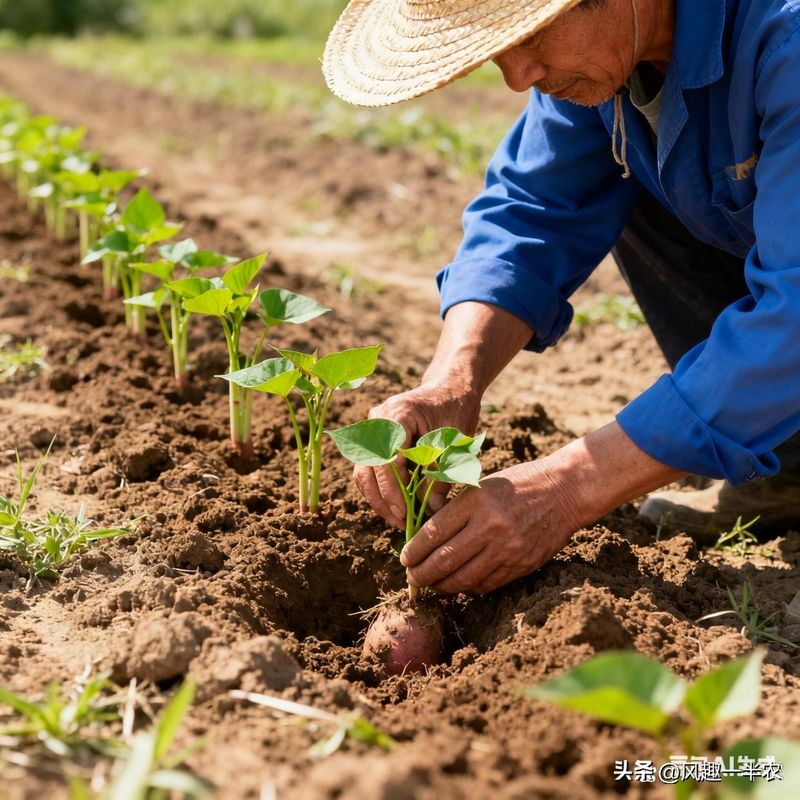
3. Replanting methods: before planting, seedlings are cut into two to three stubs, where root agents or grass ash are extracted and rooting is promoted. Plantation is carried out by means of tilting or direct plugging, seedlings are inserted into the dens of the plant at depths appropriate for the display of two to three leaves, and the planting is carried out in a timely manner to ensure that the soil is wet and to increase the rate of activity。
(iv) attention
The detoxification of detoxified seedlings has a certain duration, typically three to five years, and as the algebra increase in cultivation may lead to re-infection of the virus, the seedlings should be replaced on a regular basis, with a recommendation for replacement every two to three years; seedlings should be removed in such a way as to avoid damage to the roots and leaves and to increase the rate of conversion to life; field management should be strengthened during nursery and planting, in order to prevent pests and diseases in a timely manner and ensure healthy growth。
Iv. Controlling booms in due course: managing plant growth and promoting root expansion large
Potatoes grow in the medium term, with abundant water and insufficient light, and are prone to long leaves, leading to an imbalance between nutritional and reproductive growth, with organic matter being used disproportionately for the growth of the leaves and nutrient deficiencies in the supply of root, thus affecting the expansion of the roots and reducing yields and quality. Controlling the boom in due course is a key technique for regulating the growth rhythm of red potatoes and promoting the expansion of roots。
(i) the dynamic principle
Potatoes are grown in two stages: nutrient growth, which is mainly in the form of leaves, and growth in the form of roots. Controlling the excessive growth of the leaves by physical, chemical or biological means in due course, regulating the nutritional distribution of the strains, allowing more organic matter to move from the leaves to the roots and promoting the expansion of the roots. At the same time, it can improve ventilation in the field, increase the efficiency of light cooperation, reduce the incidence of pests and diseases and create a good environment for root growth。
(ii) control period
The optimal period for red potato control is 30 to 40 days after the plant is moved and the area of plant is increased by an index of 3 to 4. At this point, the leaves grow and grow, and if they are not controlled in time, they tend to grow. Premature control inhibits plant growth, resulting in insufficient area of leaves and affecting photocosynthesis, and excessive growth of the control late in the night and an imbalance in the distribution of nutrients, which makes it difficult to achieve the desired control。
(iii) sporting method
1. Physical control
(1) head-to-heart: when the main chicken is grown up to 40-50 cm, the growth point at the top of the main chicken is removed, the growth of the chicken is promoted and the number of branches is increased, while the length of the main chicken is controlled and leaves are avoided. Cardiac strikes should be carried out in the middle of the sun and operated with scissors or hands. 2-3 cm on top, to ensure that the wound is smooth and to avoid infection。
(2) cultivated land: cultivated land in conjunction with fatting is cultivated at depths of 5-8 cm, cutting off some of the root systems of the surface by farming in order to inhibit the growth of the leaves. At the same time, it can increase high levels, improve soil aerobics and promote root expansion. Cultivated soil should be cultivated when the soil is suitable to avoid over-wetting or drying leading to compaction。
(3) the root of the chicken is broken: when the leaf is growing too much, it may be lightly raised and then laid down, which will break the uncertain roots on the penis, reduce the absorption of moisture and nutrients and inhibit the growth of the leaf. Roast roots should take place in the middle of the morning in the middle of the sun, so as to avoid operation during rainy days or heavy wet soil, and to prevent the planting of plants inverted or infected。
Chemical control
Chemically controlled booms have operational and high-impact characteristics and are applied to large-scale plots of musk leaves. Commonly used high-prevalence agents, such as polyazine, alkyl, and condensant, should be used strictly in accordance with the recommended dose and method of use of the pharmaceutical instructions。
(1) multi-activated acres: 50-70 g wettable powder per acre, 50-60 kg in water, evenly sprayed on staves. Sprays were carried out every 10-15 days, before the seals were sealed, and one or two times in succession. Multi-activate americ acid control has a lasting effect, but overuse leads to over-depreciation of the plant, affecting photocooperative use and therefore should be strictly controlled。
(2) americium: 30-40 ml of emulsifiable cream of 5% per acre, 50 kg of water, evenly sprayed on tubular leaves. Americ acids are more mild than polyecstasy and are not susceptible to pharmaceutical hazards and are suitable for multi-ecstasy-sensitive varieties。
(3) shorter feminin: 50% of acre with a dwarf water agent of 100-150 ml, 50 kg of water, and evenly sprayed on a tuber leaf. Shortness inhibits the extension of the plant, promotes the development of the thickness, and applies to plots with long but unsealed leaves。
(iv) attention
Control should be adapted to plant growth and avoid blind control. Grounds with weak growth and insufficient soil fertility should not be controlled, but should be followed up in a timely manner in order to promote plant growth; chemical control should be carried out in a way that strictly controls the use and timing of spraying, avoids spraying in high temperatures, strong light or rainy days, and prevents the occurrence of drug hazards; and after control, field management should be strengthened, watering and fattening should be applied in a timely manner, and root expansion should be promoted。
Equivalent application of branch and crack fertilizer: meeting nutritional needs during critical reproductive periods
The branching and root expansion periods of red potatoes are critical periods of nutritional demand, with the precision application of branch and crack fattening, which can provide adequate nutrients for the growth and expansion of branches and roots and significantly improve yields and quality。
(i) fertilizer application
1. Period of application: partage shall be carried out in the early stages of the branch after the seeding of the sweet potatoes, usually 15-20 days after the transfer, and the plant shall grow in 3-4 branches. At this time, growing plants enter a period of nutrient boom, requiring sufficient nutrients to promote branch growth, increase the area of leaves and lay the foundation for root formation and growth。
2. Fertilizer selection and usage: the fractions are mainly nitrogen-based, with an appropriate amount of potassium phosphorus-based fertilizer, which promotes the growth of the leaves and the growth of the branches. Per acre urea 10-15 kg, diammonium phosphate 5-10 kg, potassium sulphate 8-12 kg, or compound fat 15-20 kg with low potassium high-nitrous phosphorus. Land parcels with higher soil fertility can be properly reduced, and plots with lower soil fertility can be used more。
3. Application methods: partitions may be applied in the form of ditches or caves. A shallow ditch with depths of 5 to 8 cm along the arctic range of 10 to 15 cm, where the fertilizer is distributed into the ditch and water is poured; or 3 to 4 dens are dug around the plant, where the fertilizer is poured into the den and water is poured. Avoiding direct exposure of fertilizers to root systems and preventing root burning。
4. Caution: excessive application of nitrogen fertilization should be avoided in the application of branches, which otherwise tends to lead to long leaves affecting the formation of roots; the application of fertilization should be followed by timely watering to promote the dissolved absorption of fertilizers; in the event of a rainy day, the frequency of or lack thereof can be appropriately reduced to prevent the loss of fertilizers。
(ii) use of crack fertilizer
1. Period of application: fragmentation shall be applied during the expansion of the base of the red potato, during which the soil cracks in the field, usually 60 to 70 days after the planting, when the roots begin to expand rapidly, and when the soil is evaporated and squeezed. At this point in time, root growth requires a large amount of nutrients, especially potassium, which can be transported directly around the root by applying crack fertilizer, promoting root expansion and improving root quality。
2. Fertilizer selection and usage: crack fattening is dominated by potassium fat, with an appropriate amount of potassium phosphorus fat, contributing to the accumulation and quality of root starch. Potassium sulphate 15-20 kg per acre, ammonium phosphate 5-8 kg or 20-25 kg compound fattening with high potassium low phosphorus low nitrogen. Precipitous bread or grass-wood ash may also be applied, 500-800 kg per acre or 100-150 kg of grass-wood ash。
3. Application methods: fragmentation can be applied in the form of flushing, lavendering or leaf spraying. When washed, fertilizers are dissolved in water, and fertilizer solutions are pumped into the soil cracks by irrigation systems or artificial irrigation; when the caves are applied, shallow holes are opened along the soil cracks, the fertilizer is applied into the den and the soil is applied behind them; when the leaves are sprayed, the solution of 0. 2 to 0. 3 per cent of potassium dihydrophosphate is sprayed equally on the tubular leaves, once every 7 to 10 days, and 2 to 3 consecutive times to supplement the potassium and phosphorus required for the plant。
4. Caution: crack fertilizer should be applied with a focus on the replenishment of potassium, which can contribute to the expansion of the roots, increase the content of starch and improve the taste; fertilizer should be adjusted to soil plaster and applied in an integrated manner to ensure that the fertilizer reaches the roots when the soil is dry; leaf-face spraying should be avoided during high temperatures and strong light to prevent leaf burns; the use of crack fertilizer should be followed by the timely filling of soil cracks and reduction of water evaporation and pest intrusion。
Integrated management measures: systems to guarantee high-yield quality technologies land
In addition to the above-mentioned core technical know-how, integrated field management should be strengthened to ensure the effective implementation of technical measures to achieve high-quality potatoes production。
(i) water management
Potatoes are more drought-resistant, but require adequate water supply during critical reproductive periods. The transplantation period shall ensure soil moisture and promote slow seedlings; during branching and root formation periods, the water content of the soil shall be maintained at 60-70 per cent, promoting the growth of the leaves and root formation; during the expansion period, the water content of the soil shall be maintained at 70-80 per cent, ensuring a normal expansion of the root content; and 10-15 days before the harvest shall be controlled and the water content of the soil shall be maintained at 50-60 per cent, promoting the maturity of the roots, increasing the amount of starch and storage. Water should be poured using water-saving irrigation, such as drip irrigation and spraying, to avoid flooding and to prevent soil sheeting and root decay。
(ii) cropping
Weeding in china improves soil aerobicity, reduces the competition between weeds and potatoes for nutrients and moisture, and promotes plant growth. The first medium tillage is 8 to 10 cm after planting the seedlings; the second medium tillage is 5 to 8 cm in branches; and the third medium tillage is 3 to 5 cm in length during the extended roots. It should avoid damage to the roots and roots of the plant; it can combine chemical herbicides, select herbicides for the special use of the sweet potatoes, spray them before planting or during seedlings of the weeds, and be strictly operated in accordance with the pharmacological instructions, so as to avoid harmful effects。
(iii) pest management
The main diseases and pests of the sweet potatoes are viral diseases, black spots, root causes of decomposition, euphoria, tigers, etc. Pest and pest control should adhere to the principle of “preventive, integrated”, giving priority to agricultural, physical and biological control and, where necessary, chemical control. Agricultural control can reduce the growth of pests and grasses by selecting detoxification seedlings, rational rotations, deep-burning, clean fields, etc.; physical control can induce insecticides such as black light lamps, cedars, etc.; biological control can prevent pests and pests by using biological pesticides such as bacillus guillotine and paraquat; chemical control should select highly effective, low-toxic and low-residency pesticides, which should be operated strictly in accordance with the recommended dose and method of use in the pesticide use instructions and in compliance with safety intervals to ensure the safety of sweet potatoes。
(iv) harvesting in due time
The harvest period of the sweet potatoes should be determined on the basis of the characteristics of the varieties, the purpose of planting and market demand. Fresh potatoes can be harvested when the root reaches the size of the commodity and the taste is best, usually 90-120 days after the planting; processed ash potatoes should be harvested when the root is fully mature and the starch content is highest, usually 120-150 days after the planting; and stored potatoes should be harvested before the fall of the frost, before the soil is frozen, avoiding the freezing of the roots of the cold. The harvest shall be made of manual or mechanical excavations to avoid damage to the roots, and shall be cleaned up, graded, dried and then stored in storage in a timely manner。