In recent years, as the market for high-value-added edible bacteria has continued to expand, the aphrodisiac, with its unique taste, nutritional value and economic benefits, has become one of the development categories of focus of the chinese and even the global edible industry. However, during the rapid expansion of the industry, problems such as inadequate stock stability, poor regional adaptation and significant fluctuations in production are also becoming key constraints to scale development。
More recently, systematic research around a herb genetic mechanism, bacterial selection and cultivation applications has provided the industry with new technological cognitive pathways and promoted the transition from an empirically driven to scientific breeding and precision management。
Breaking traditional perceptions: multinuclear and single sift select
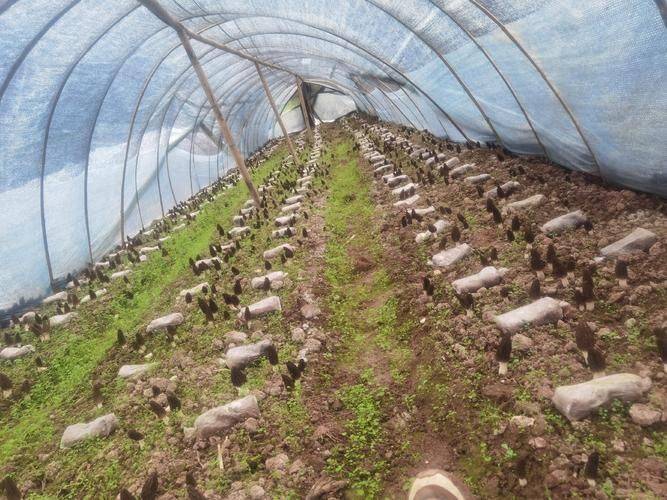
Studies have shown that the abdominal fungus has important genetic characteristics different from those of traditional edible bacteria. Its cysts are of a multi-nucleonuclear structure, have a high monocrotomic capacity and present a class iii genetic type of homogeneity. This means that the traditional hybrid seeding model is not widely applicable in the field of sheep’s belly, and some of the reproductive knowledge that has long been used in the industry is being revisited。
Based on this genetic pattern, it was suggested that the future development of new varieties of sheep's belly should rely more on a large number of monochrome strains for screening than on non-traditional hybrid paths. Through the establishment of monosynthetic separation systems and continuous mushroom-producing experiments that combine multi-regional, multi-annual and multi-planting models, the advantage of high-yielding, high-quality, counter-resistance and stable performance can be selected from a wide range of strains。
It was further noted that even if it originated from the same species, there could be significant differences between the different monochrome strains, including yield levels, mushroom-shaped structures, growth rates and environmental resilience. Therefore, the establishment of a screening mechanism for “opt-in” bacteria through a long-term field evaluation system will be an important basis for future commercial production。
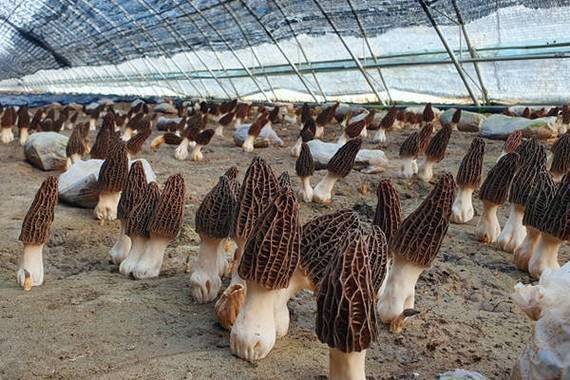
Production strategy adjustment: avoid single strain risks and introduce polybacterial strain synergy
At the practical level of production, the study also proposes a practical application strategy to avoid large-scale expansion of monobacterial strains。
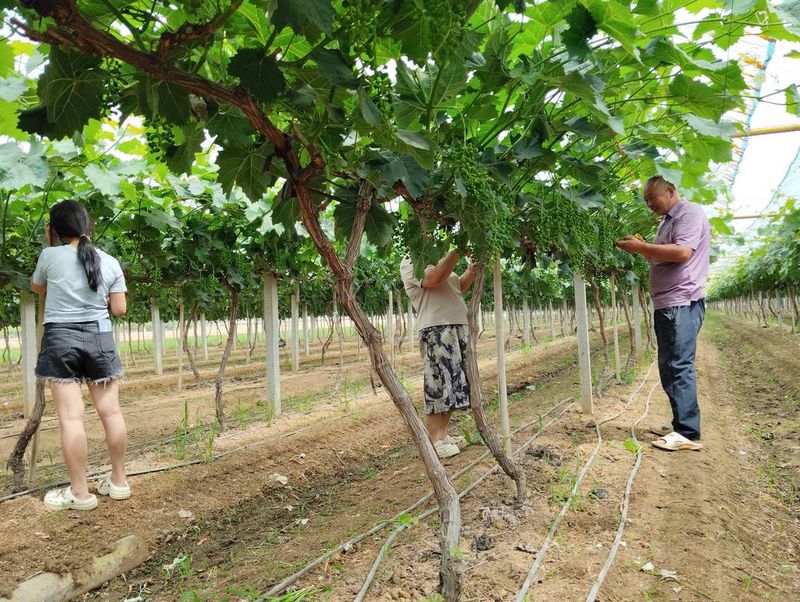
For a long time, some producers have tended to rely on single-prevalence strains to scale up their cultivation, but actual production suggests that climate change, field management differences and regional environmental factors tend to magnify monobolic strain risks. In contrast, multiple strains, multi-regional layouts and multi-modal co-production are more conducive to reducing uncertainty and achieving steady and high production。
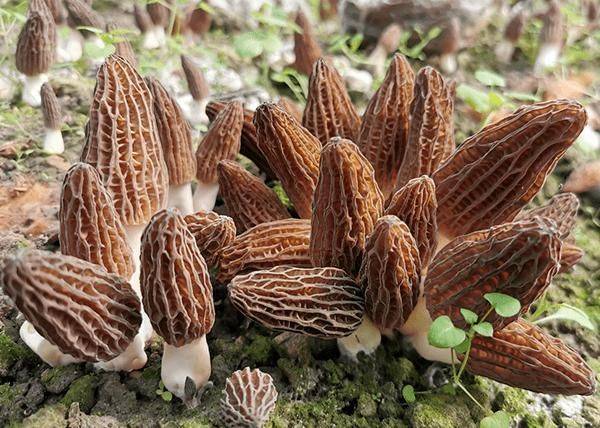
At the same time, it was emphasized that traditional observation indicators such as the number of bacterial nuclei, the strength of the fungi, and the number of spasms divided cannot directly determine the final yield. The core variables that affect the efficiency of the production of sheep ablution continue to be concentrated on climatic conditions, soil environment and the management capacity of precision cultivation。
This series of research has not only provided new scientific underpinnings to the abdominal breeding theory, but has also provided a clearer direction for industrial practice: from the pursuit of single high-yielding species to the construction of multi-bacterial, multi-regional, long-valid sustainable production systems。
As an important platform for linking technology, markets and industrial resources, the entire industrial chain of eating bacillus (swiss) innovation fair will continue to focus on cutting-edge results in the field of sheep belly and high-value edible fungs, promote scientific innovation, conversion of results and industrial synergies and help the global edible industry move towards a more efficient, stable and sustainable future。