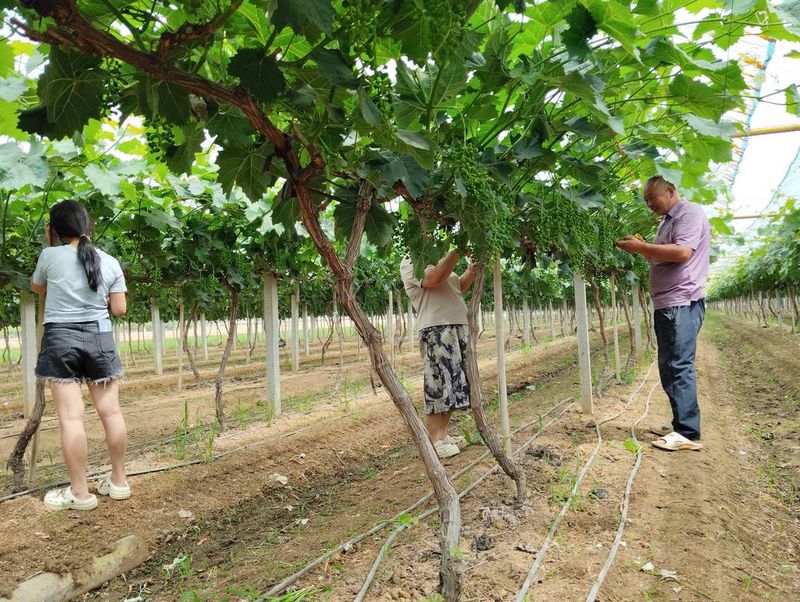
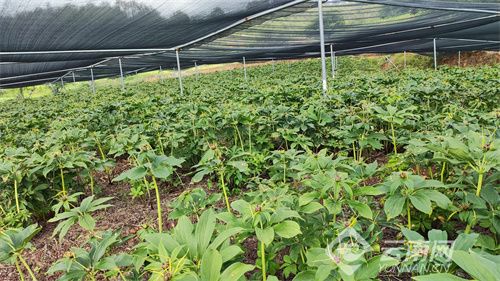
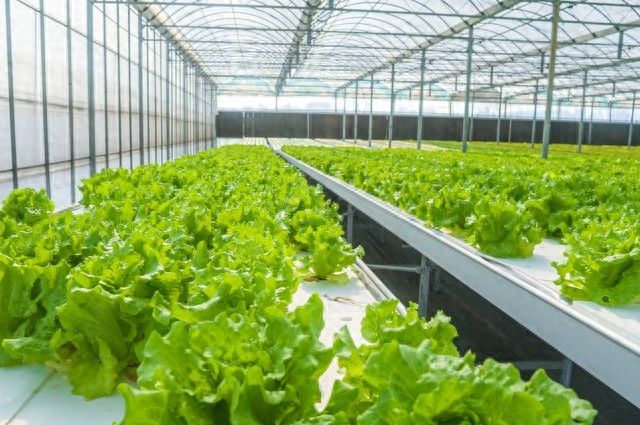
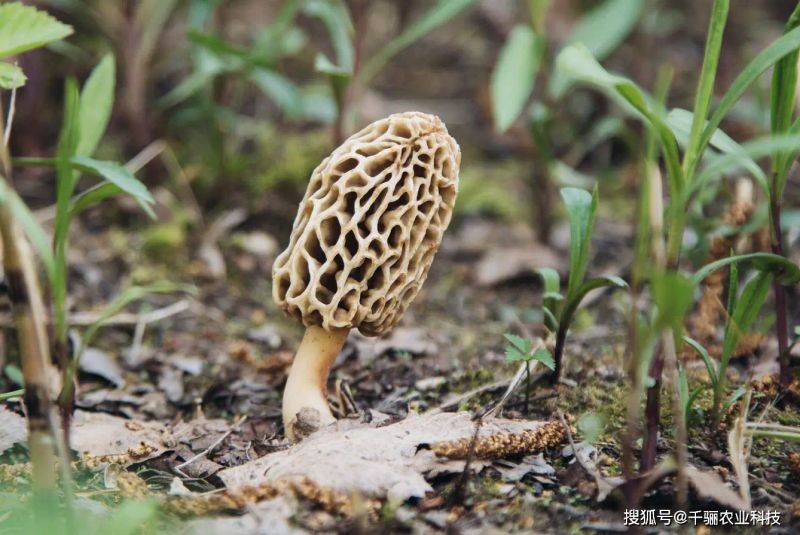
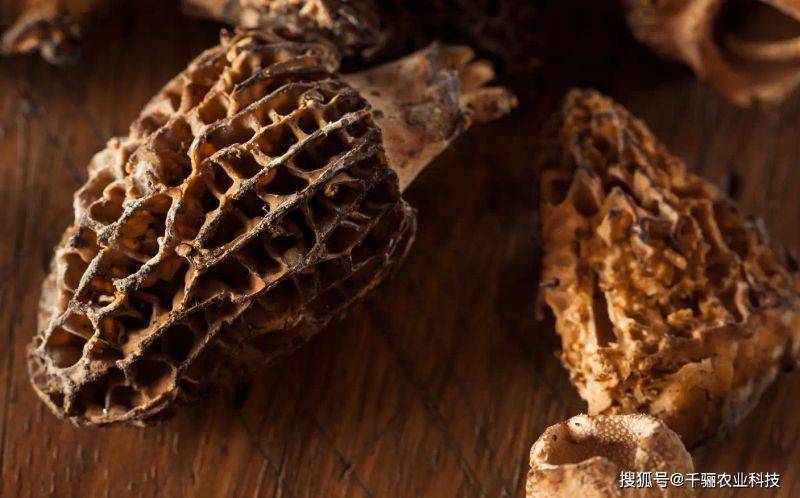
Sheep bellies, also known as sheep bellies and gills, are known for their condensed surfaces as sheep bellies. It belongs to the botanical classification of the cystals, the accumulators, the accumulators, the abdominals of the sheep, and the abdominals of the sheep, which are internationally recognized as rare edible. Its morphological characteristics are unique, with its fungus in cones or eggs, and its surface covered with dens in beehives, mostly in brown, brown, etc. It's empty, it's white, and it's easy to see the whole。
1. Nutritional value of the sheep’s belly
The abdominal fungus is referred to as “the king of the fungus”, and its nutritional value is extremely high. It is rich in amino acids, proteins, carbohydrates and vitamins, which are essential for many humans, and can contain more than 20 per cent of their protein content. In addition, it contains rich mineral elements such as potassium, phosphorus, magnesium, zinc, etc. In addition to basic nutrition, the health benefits of the sheep’s belly are much more commendable. The chinese doctor considers it to be peaceful and sympathizing, and to be conducive to gasification and gasification. Modern studies have shown that it contains sugary, antibacterial, etc., and has a variety of physiological functions such as increased immunity, resistance to fatigue, and resistance to tumours。
Market prospects for sheep belly fungus
In recent years, the market demand for sheep’s belly has continued to grow as people’s standard of living has improved and healthy diets have been pursued. Not only is it a signboard for high-end restaurants, it is also increasingly entering the health diet of ordinary people. In both domestic and foreign markets, the abdominal fungus is consistently overstretched, at a strong price and can be sold at hundreds to thousands of dollars per pound. This huge demand for markets offers vast development space and attractive economic returns for the artificial cultivation of sheep’breeding。
Ii. Basic knowledge of sheep’s belly cultivation
1. Environmental requirements for cultivation
The fungus, which is a cryogenic fungus, grows at suitable temperatures of between 18 and 22°c, while the suitable temperatures for the formation and development of sub-entity (i. E. Our food component) are between 10 and 18°c. It is humid and the relative humidity of the air in the cultivated environment needs to be around 85 per cent. For light, light is not required at the growth stage of the fungus, but some dispersive light irritation is required at the formation stage of the sub-entity. Soils are better neutral or micro-alkalin (ph 6. 5-7. 5), requiring soil laxity, good ventilation and organic enrichment。
Types of cultivation methods
Traditional abdominal collection is entirely dependent on the natural environment, i. E. Finding it in the forests of spring and summer, with highly volatile yields. Today, the dominant approach is artificial farming, which includes both indoor and outdoor areas. The indoor planting environment is more manageable and has a high success rate, but it has a high level of pre-investment; outdoor production is closer to natural conditions and relatively low costs, but is more affected by weather。
3. Cultivation cycle and management
The sheep season is usually three to four months. In most parts of the country, the planting period is usually chosen for the autumn winter (october-december), which, with the nutritional growth of mycelium in the winter, results in mushrooms when the temperature rises the following spring (march-april). The core of day-to-day management is the maintenance of a stable climate of humidity, timely ventilation, prevention of pests and pests, and appropriate dispersive light during mushrooming。

Iii. Steps in the cultivation of the sheep’s belly
1. Bacillus preparation
The selection of bacteria is the first step to success. Good strains of bacterial silks that grow well, are white, have no fungus-free contamination and have no aging should be selected. Prior to use, bacterial species and exposed tools are best sterilized, with uv lamps irradiated or irradiated using alcohol to minimize the risk of bacterial infections。
2. Soil preparation
The configuration of soil and matrix is one of the core techniques for the cultivation of sheep’s belly. The ideal matrix usually consists of a mixture of crop straw (e. G. Maize cores, rice shells), wood crumbs, decomposed soil, etc. These materials need to be sufficiently fermented to kill the fungus and eggs therein and to be converted into nutrients easily absorbed by the sheep’s belly. A small amount of skin, lime, etc. Can be added to the configuration to regulate nutrition and ph。
3. Inoculation process
The best timing for vaccinations is when the temperature at the plant is stabilized within the appropriate range of mycelium growth. The inoculation technique is to spread the bacteria evenly in treated planting beds or bags and then cover a layer of 1 to 3 centimetres of disinfected fine soil, known as “covery soil”, which can act as a protection of moisture and as a stimulus to mushrooms. Following the vaccination, water should be poured and the soil kept wet until mycelium was planted。
4. Regulation of the growing environment
Accurate regulation of the environment is essential throughout the growth cycle. Methods to control temperature and humidity include temperature protection by covering the membranes, covering the herbs or using heating equipment during cold seasons, and cooling through sunnets, sprays and ventilation during hot seasons. Humidity management is achieved mainly through sprayers or the installation of micro-jet facilities. The management of light is mainly during the mushrooming period, which provides suitable dispersive light by regulating the density of the sun-shield network to avoid direct sunlight。
5. Biopharmaceutical management
The application of biopharmaceuticals is playing an increasingly important role in the cultivation of sheep belly。
Combination oligarine is by definition a complex of several types. The chinese term "oligosacchariide" refers to compounds that contain a combination of 2-10 (also known as 3-10) sugar slurry keys, often combined with protein or lipid co-prices and in the form of sugar or sugar。
Combination of oligochemicals has a powerful function of activation of the soil's primary microbacterial population, which has been very effective in agricultural degradation, adjusting soil and water ecological balance, promoting plant growth, resisting connectivity barriers, restoring soil sheeting, restoring the particle structure and permeability of the soil, increasing soil drainage and humidity, and in increasing plant growth and nitrogen fixation, decomposition of such organic matter, reduction of crop disease, release of fixed phosphate and other nutrients, and restoration of sheeted soils。
Its integrated use of technology had resolved the centuries-old contradiction between the higher and poorer crop yields; the poorer the land; and the importance of restoring the original quality and taste of agricultural produce and the ecological balance of the land。

Iv. Common problems in abdominal cultivation
1. Pest management
Among the common diseases in the sheep’breath are leprosy, morbid disease, etc. The pests are mainly mushrooms, mushroom flies, etc. The response should be based on the principle of “prevention, integrated response”. Organic control measures include the maintenance of hygiene at planting sites, regular ventilation to reduce humidity, the installation of anti-worm nets for physical isolation and rotation to reduce endemic diseases. If problems are identified, the mushrooms, disease areas should be removed at the first opportunity and biological pesticides or low-toxic pesticides meeting organic standards should be targeted。
2. Analysis of costs and benefits
Funds invested in the cultivation of the sheep’s belly include, inter alia, land rental, the construction of sheds, bacterial species, base materials, equipment and labour costs. Although relatively high, the return is considerable. Successful cultivation can produce hundreds of pounds of mushrooms per acre, with significant economic benefits. Cost-control techniques include selection of planting models for local adaptation, self-emancipation to reduce the cost of raw materials, precision management to improve single production and quality, and joint procurement with peers to reduce the cost of production materials。
Future prospects and trends
1. Innovations in the techniques used for the cultivation of sheep’s belly
In the future, a more precise and efficient direction will be given to the techniques for the cultivation of the birch. The application of new technologies, such as liquid bacterial techniques, environmental intelligence control systems and gene breeding, is expected to further increase the purity and vitality of the bacterial species, achieve full automated regulation of the growing environment and produce new, more productive and resistant varieties。
2. Potential opportunities for market development
In addition to fresh and dry products, there is an enormous potential for deep-processed products of sheep’s belly, such as lamb’s belly powder, sauce sauce, health products and functional foods, which will further widen consumer scenes and market demand。
Sustainable development and ecological cultivation
The introduction of a model of wild cultivation under the forest can produce a sheep’s belly of near-live quality while preserving forest ecology and achieving agroforestry. This pattern of ecological cultivation is consistent with the trend towards green agriculture, and products are more favoured in high-end markets。
Conclusions
The artificial cultivation of the sheep's belly has unmasked the mysterious veil of the old mountain. Despite the challenges posed by the demanding and well-managed cultivation process, its enormous market value and prospects for development have undoubtedly injected new dynamism into modern agriculture. For those who wish to do so, solid scientific knowledge, together with careful day-to-day management and a positive embrace of new technologies and sustainable development will certainly yield fruitful results on this promising path of wealth。