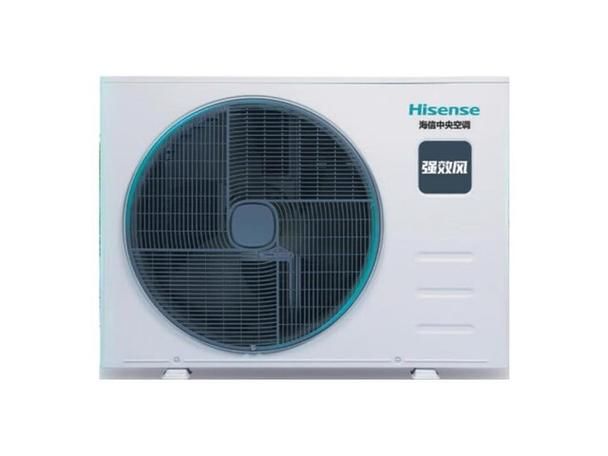
Air-energy water heater's strengths and weaknesses are exposed
What's the air heater
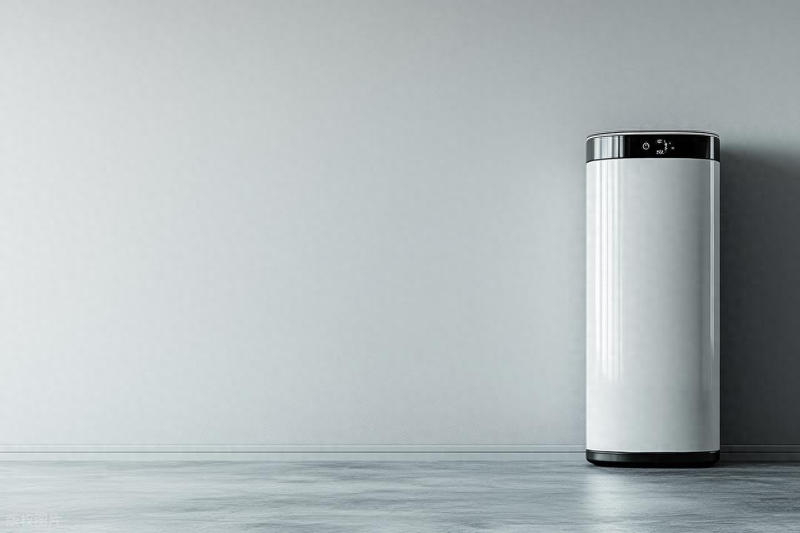
Air-energy water heaters, by definition, are equipment that uses thermal energy in the air to heat water. It absorbs the heat in the air, compresses it to compress the temperature, then transmits the heat to the water through the heat exchanger. Sounds amazing, doesn't it? Let's look at its strengths and weaknesses
# advantage piece
#1. Super-efficient
The energy efficiency ratio (cop) for air-energy water heaters is usually between 3 and 4, which means that consumption of one degree of electricity can generate 3-4 degrees of heat. Compared to traditional electric water heaters, it saves **60-75 per cent** of electricity costs. The savings are not small in a year。
## 2. Safe and reliable
There is no direct contact with water by electro-heating elements, which fundamentally eliminates the risk of leakage. There is no gas, and there is no exposure to carbon monoxide poisoning or gas leaks. It's more reassuring to have elderly children in the family。
3. Environmentally low carbon
The use of renewable energy sources (thermal in air) does not emit exhaust gases, and carbon emissions are only about a quarter of those in electric water heaters. Work for the environment. Start with the water heater
## 4. There's enough water
Large-capacity water tank designs (usually 150-300 l) to meet the continuous bathing needs of the family. Don't worry about half the awkward without hot water。
5. Life expectancy long
Normal service life can be as long as **10-15 years**, which is more durable than traditional electric water heaters (6-8 years) and gas heaters (8-10 years)。
It's..
# defective #
1. Initial input high
The purchase price is three to five times the price of an electric water heater, with an ordinary brand of $5,000-$8,000 and a high-end brand of tens of thousands. Although electricity was saved later in the day, the previous input did hurt。
## 2. Climate-affected
** deadly vulnerabilities!** when ambient temperatures are below 5°c, thermal efficiency is significantly reduced, even if electric auxiliary heat is activated and energy consumption increases. The experience of winter use in the harsh northern regions is reduced。
3. Rigorous installation conditions
- ** big **: special space for installation (platform/top/top)
-**noise problem**: compressors run with a certain noise (50-60 db) and are not suitable for installation near the bedroom
-** ventilation **: need for a good air flow environment
# 4. Slower heating
It takes longer (1-2 hours) to reheat the first heating or a large quantity of water than gas heaters are easy to heat immediately。
5. Maintenance costs high
The technology is relatively complex and, in case of failure, maintenance and spare parts costs are higher than traditional water heaters。
It's..
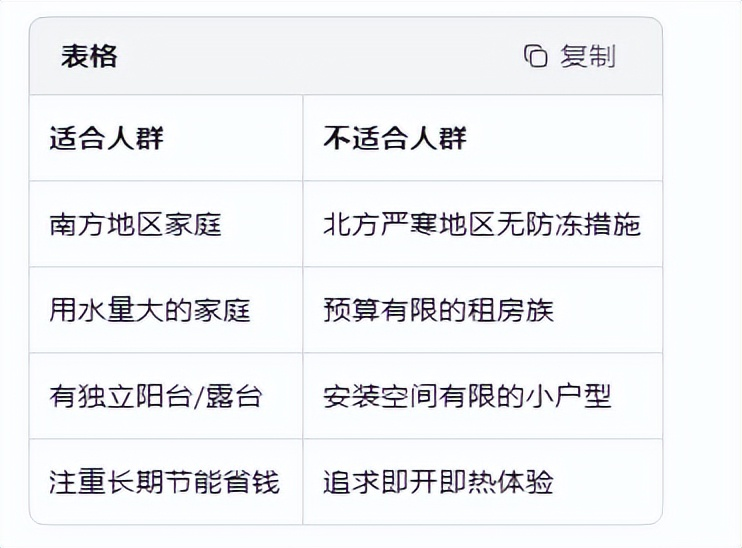
# for who
# selection advice
1. ** looking at the level of energy efficiency**: selection of primary energy efficiency products, longer-term use of more energy-efficient products
2. ** read compressor brands**: better known brands such as matsushita, toshiba and valley wheel
3. ** temperature layer**: pur-breathing more than 50 mm thick is more effective
4.** post-sales services**: selection of local brands with service points
It's..
# summary
Air-energy water heaters are a double-edged sword. If you have room for installation in the south and focus on long-term energy efficiency, it is certainly an investmentable option; but if you have a cold area in the north, have a limited budget, or if your installation conditions are limited, it may require careful consideration。
** there is no perfect product, only the right option. ** it's up to you to make every penny worth of it
It's..