I. Illnesses cannot wait
Many of the roads and bridges that we have operated in the road sector have been in service for more than a decade. Under the combined effects of long-term physical erosion, re-loading of vehicles, extreme climatic disturbances and residual defects of the pre-construction phase, bridges have generally produced deteriorations such as the carbonation of concrete, the laxation of surfaces, microcracking, the erosion of steel bars and the freezing of water. Numerous literature and technical studies on engineering testing and conservation have shown that the disease of concrete bridges is the characteristic of a hidden accumulation of milestones and irreversible deterioration. Many transporters think that “can run”, but the disease of the bridge has a characteristic: it won't wait for you. Micro-diseases will continue to expand over a short period of time, gradually reducing structural carrying and durability. The microbreeding is six months in motion, and the rusty steel bars can be severely rusted for three years. When “no” is discovered, major repairs will not only significantly increase the price of fortification work, but will also create a security risk for road traffic and threaten public travel safety。
Ii. Low costs of preventive conservation
The engineering data are there: the cost of early preventive conservation is only 15 to 30 per cent of the price of a severe disease. Thousands of dollars will solve the problem, and hundreds of thousands, if not millions, of projects. The key is not to use any high-level technology, but to position the daily conservation. The early maintenance of bridges is dominated by micro-repair, surface protection, day-to-day management, simple construction processes, which need not be reinforced by large-scale dismantling, and high overall economic value. Based on the provincial integration model, the sharing of equipment, centralized procurement and harmonization of tenders could further reduce management and equipment idle costs and achieve optimal use of financial resources. Early conservation can effectively prolong the conservation cycle, reduce the frequency of repeated construction, reduce the full life-cycle maintenance costs from source and avoid major safety incidents。
Iii. Precision testing
Precision testing is a prerequisite for early preventive conservation, with the elimination of the traditional artificial eye-opening model and the construction of a regularized testing system for manual inspection and non-destructive testing. In the day-to-day transport, specialized maintenance staff are assigned to conduct monthly inspections, focusing on the surface of the bridge, beams, towers, stretches, surface diseases of the drainage system and recording the location and dimensions of the disease. Specialized tests are carried out quarterly using specialized equipment such as ultrasound detectors, echoers, carbide depth meters and electromagnetic detectors, and simultaneously using infrared imaging techniques to identify hidden seepage channels. Establishment of a digital bridge maintenance desk for detection data, classification of the disease, classification of cracks below zero two mm width, laxation of the surface layer and slight water seepage as early manageable diseases, and development of a differentiated disposal plan. Bridges in saline, cryogenic, and heavy-carrying traffic sections increase the frequency of detection and conduct semi-annual comprehensive and specialized testing to predict aging risks in advance。
Iv. Surface patches
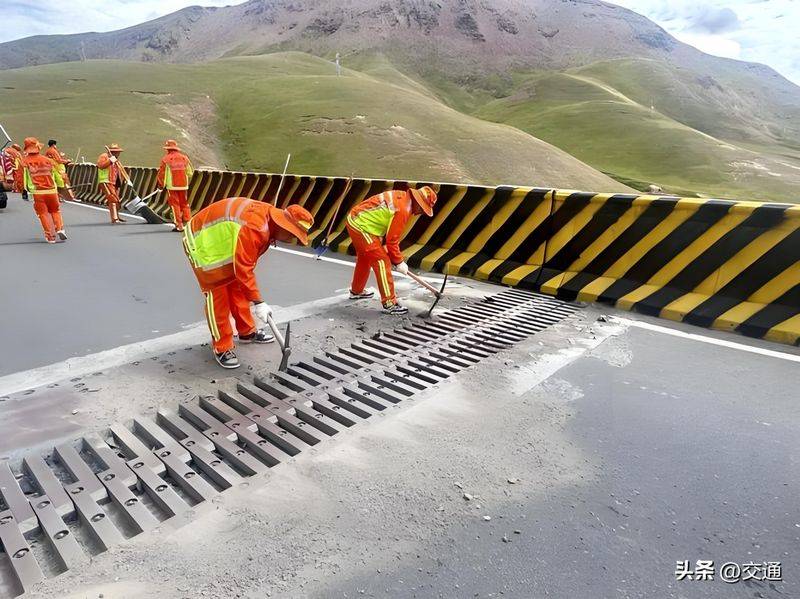
The surface is skinned, the polymer slurry is cleaned clean and a silican impregnated layer is secured. The cracks were less than 0. 2 mm and the epoxy resin was closed; the drain hole was blocked and the function was restored once it had been pulled. For minor surface defects such as concrete plaster surfaces, beehives, starting skins, and pan-alkali, surface retrofitting and containment disposal processes are used to disrupt external erosion media intrusion. In the pre-construction period, the defects were cleared, using high-pressure air currents, water washing combined with manual grinding, to remove pine slurry and pan-alkali attachments and ensure clean drying at the grass-roots level. Following the completion of the grass-roots treatment, the material was selected for flat-fixing with polymer cement slurry, with a 28-day resistance of no less than 45 mpa and a high binding strength and low contraction rate. The thickness of the patch is controlled at 3-8 mm to ensure that the patch is connected to the original structure. After surface patching has been completed and conservation solidified, normal areas are protected by silane impregnation to control permeability at a depth of not less than 2 mm; complex polymer protection coatings are selected for areas of high erosion, with coatings of 0. 8 to 1. 2 mm thick, blocking carbon dioxide, chlorine ion and water intrusion, slowing down carbonization and corrosion processes。
V. Drainage conservation
The root cause of many bridges' illness is simple — water comes in. Poor drainage is a central incentive for concrete seepage, freezing and corrosive erosion and requires normalization for drainage system maintenance. The bridge is regularly drained and drained, its interior sludges, leaves and miscellaneous items are removed and the drainage is secured. Repair of broken and misplaced drainage components and replacement of ageing sealed fittings; optimization of bridge and slope drainage structures, addition of blind ditches, flow tanks, rapid discharge of rainwater out of the bridge structure and avoidance of rain retention of the platform base and beryllium seams. With regard to bridges in rain-fed and humid areas, a full drainage system is being carried out on a quarterly basis, which is being reinforced by the rainy season to reduce the erosion of concrete structures from the source. Completion of concrete surface protection coating by winter, selection of anti-temperature anti-water protective material to prevent water infiltration into concrete holes. The use of high-chlorine melted snow in winter is prohibited, and environmentally friendly snow melts are used to avoid ion erosion of steel bars. Full surface stripping and small cracks during the spring lull period are checked, freezing damage is repaired in a timely manner to prevent repeated freezing from spreading the disease。
Vi. Provincially consolidated funds
Conservation problems in many places are managerial and not technical. The municipalities and counties are divided, the money is spent, the equipment is bought over time, the test criteria are not uniform, the results of the tests are self-managed and modified, and are in vain. Establish a centralized provincial management system for funds, equipment and materials allocated from the global resources, in order to ensure a unified provincial conservation structure. With regard to the management of funds, an integrated provincial financial transfer model has been introduced, with the exception of the traditional model of decentralized and autonomous financing of municipalities and counties. The provincial transport authorities, in conjunction with the province-wide census of bridges, have harmonized the size of the annual conservation funds, issued specific funds based on the level of disease and the accuracy of regional weights, implemented earmarked funds, provincial dynamic audits, and eliminated the waste of funds, such as misappropriation, inefficient inputs and repeated repairs, and increased the efficiency of the use of financial resources。
Vii. Equipment assessment
The construction of provincial maintenance stores, the integration of detection and repair equipment, and the elimination of blind procurement in municipalities and counties to reduce idle losses and losses. In the area of equipment control, a pool of equipment for the maintenance of the provincial bridges has been built, a single registration, central control and cross-regional movement of non-destructive detection instruments, disease repair equipment, maintenance engineering machinery has been carried out throughout the province, the authority to purchase specialized equipment blindly in the municipalities and counties has been removed, the equipment has been allocated in accordance with the dynamic nature of the maintenance tasks, the cost of purchasing fixed assets has been significantly reduced and the equipment has been left idle, and the use of specialized equipment has been consolidated。
Viii. Communication
In the area of material control, there is a model for the management of consumables in provincial centralized bidding, uniform procurement, storage in subdistricts, uniform selection of suppliers for commonly used conservation materials such as polymer sands, anti-corruption coatings, emulsions, sealed materials, uniform quality standards and uniform cost containment. Establishment of standardized material storage sites in the provinces, implementation of needs-based, inventory dynamic controls to ensure the stability of the quality and timeliness of supplies of conservation materials, while avoiding the uneven price and quality of materials resulting from sporadic local procurement and the deterioration of the backlog。
Ix. Third-party testing
Third-party testing facilities are run directly by the provincial authorities and report directly to the provincial authorities, who have no right to intervene. In order to eliminate completely the administrative malpractices of excessive discretion in local conservation, irregularity of inspection and differing standards of evaluation, a system of provincial control and third-party inspection and evaluation has been established. (c) the removal of the right to select third-party institutions for detection and rehabilitation at the municipal and district levels, the establishment of a single directory of maintenance services by the provincial transport authorities, and the introduction of a system of access, dynamic rating and discharge of inspection units and construction rehabilitation units. Daily inspections carry out independent third-party testing, direct provincial filings, and work models in which local authorities do not have the right to intervene, avoiding cases of underreporting, misreporting and underreporting. The provincial authorities draw up rules for uniform appraisals, which include the detection of accuracy, compliance with standards for the treatment of illnesses, back-up rates for works, construction of safety culture, time limits for performance, and the inclusion of mandatory evaluation indicators, the results of which are directly linked to the settlement of service charges and the eligibility of institutions to enter the library. At the same time, there are three levels of control: daily inspection, quarterly check-ups, annual double-checking, annual province-wide quality review, optimization of conservation performance standards, and establishment of a system of control of inspections, construction, testing and rectification of closed loops。
Implementation path
It is recommended that priority be given to screening concrete bridges that have served five to fifteen years in the bailiwick, and that comprehensive testing and classification lists be established for minor high-risk diseases. Low-cost micro-start technologies such as polymer slurry patching, silane impregnation protection, low-pressure injection are used to control the quality of construction。
Xi. Long-term vision
In the long term, the concept of full life-cycle conservation needs to be developed, with a view to moving away from the traditional thinking of construction-oriented, light conservation, and increasing funding, technology and human input for early preventive conservation. The maintenance system is continually optimized and the road and bridge transport management level is upgraded in a comprehensive manner, based on the provincial integrated management and resource intensification model. Early preventive maintenance can sustain bridge passivity in the long term, reduce the speed limit and frequency of road blockages caused by disease, guarantee smooth road traffic, reduce transport losses caused by congestion and contribute to the stable operation of regional traffic networks. Optimizing the working state of concrete structures through protection against closures and disease repair can extend the life span of bridge design from 10 to 15 years, reduce building waste generated by large-scale repairs, align with the concept of green transport development, and provide solid technical guarantees for the safe and stable operation of road traffic networks。
Lee dan (centre for the development of the antgen highway, pingcheng city, jiangxi province)