Roads and municipal bridges have been exposed to underwater conditions for long periods of time, influenced by multiple factors, such as water currents, chlorine ion erosion, freezing cycles, ship impacts, sand grinding, etc., and are prone to concrete stripping, stretching, steel rusting, cut across, and reduced carrying capacity. The long duration of the work, high construction costs, cut-off/control, disruption of navigation, high maintenance costs, high construction risks, etc. Of traditional underwater pillar restoration methods (swidthing, steel drums, underwater concrete) make it difficult to meet the requirements of road and bridge resilience upgrading: “efficient construction, durable priority, green environment, uninterrupted traffic”。
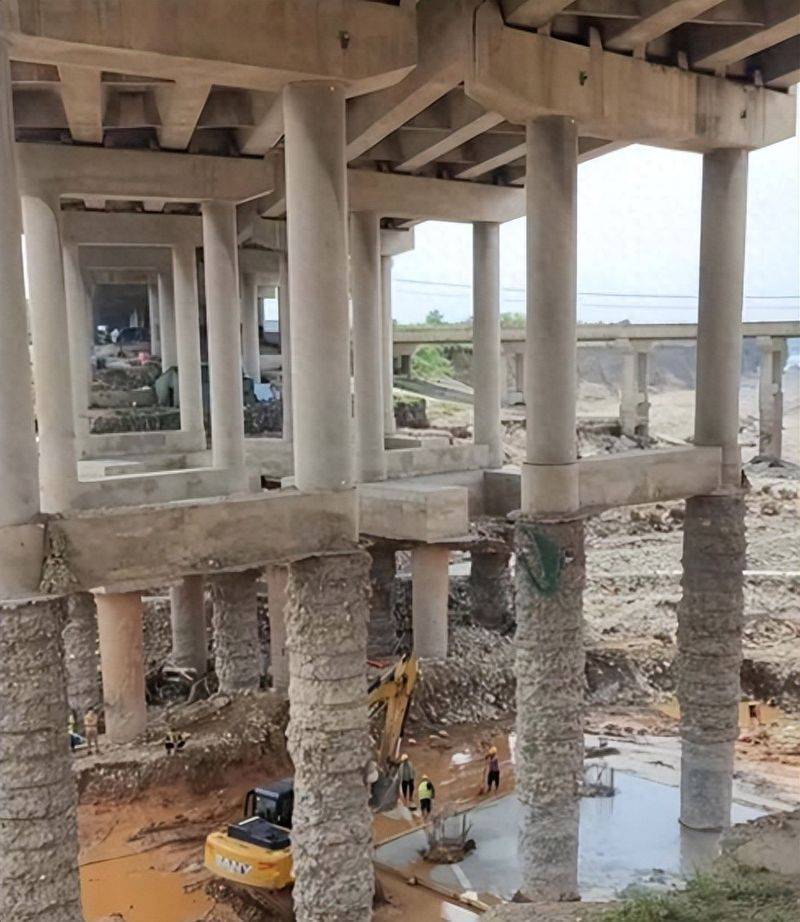
As a new type of underwater direct repair technique, the boetilization kit repair (also known as the “jacket method”) has become the main process of underwater repair of bridges, with no need for coiling, no need for large equipment, no interruption of traffic/routing, short construction cycles and excellent durability, and has been widely used in underwater pillar/wall restoration works such as roads, municipalities, railways and port terminals. For more than 10 years in the field of deep-tilled road bridge restoration, carbuntech has been developing its own underwater fibre-breeding system, participating in local standards and serving as a high-quality supplier in the field of underwater pillar restoration based on compliance products, mature processes and improved services。
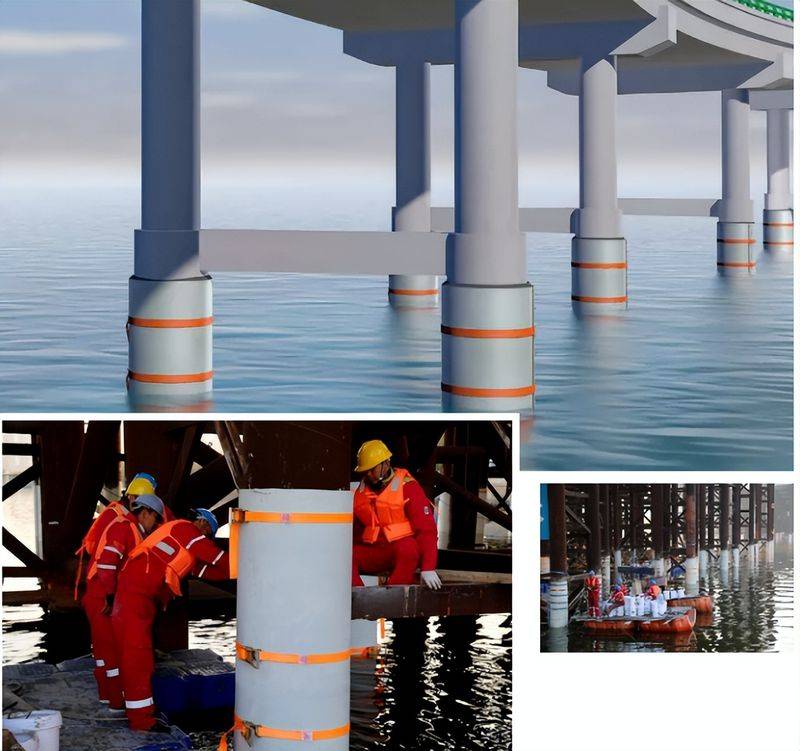
I. Core principles for the restoration of the pelican cylinder
The pelican repair system consists of three components: prefabricated pelican tubes, underwater epoxy slurry, and epoxy seal. At the time of construction, the pre-fabricated fibre-fibre drum fraction or whole is integrated into the clean base/steel surface of the pillar, adjusted for the same axial and vertical degrees, and injected underwater epoxy slurry from the bottom to the upper cleavages to form a three-storey composite protective system after the slurry is solidified. The system, combined with structural supplementation + durability protection, effectively isolates erosion media such as water, chlorine ions, oxygen, etc., inhibits the erosion of the steel, increases the carrying capacity, rigidity and durability of the pillars and achieves a construction, long-lasting protection。
Standard construction process (detailed resolution) for bottex tubes
The process of construction of the bottling cylinder is mature, process specifications, no encapsulation, direct underwater construction, with a core of six main steps, with a short construction cycle and a small impact on transport / navigation:
1. Construction readiness
Pre-construction verification of the technical condition of the pillar (size, scope of disease, rusting) and verification of the length, diameter, use of slurry; organizational design, construction and monitoring units conducting drawing and technical review, specifying design intentions, technical difficulties and acceptance standards; inspection of equipment performance, such as dive equipment, underwater camera systems, mixers, slurry pumps, etc., to ensure proper operation; and preparation of water operations permits, traffic controls/passage procedures。
2. Base cleaning (key steps)
Aquatic organisms, such as silt, moss, shellfish, canteens, loose concrete, ash, oil, rusty layers, and solid, clean concrete foundations, using diver underwater probes, high pressure water guns (≥20mpa), mechanical steel wiring or specialized underwater cleaning tools, need to be completely removed from the rusted areas until the metal is polished; after the clean-up, underwater cameras are archived and certified before entering the next process。
3. Prefabricated and installed bovine tubes
Based on field measurements of pillar base / pillar sizes, the plant is prefabricated to a piece or whole of ablution cylinder; the tank size is verified on-site, with water personnel working with underwater personnel to fit the drum into the pillar / column, adjusting the axis and verticality to ensure that the drum is even with the core gap (generally 2-5 cm); the cartridge interface is coated with the underwater polymer sealing tape, with a tight belt ad hoc fix, reinforced with self-pulsive bolt anchors to prevent movement; the drum is installed from the bottom to the top to ensure that it is closely connected and sealed。
4. Bottom seal (scave critical)
Underwater epoxy seals or bags are used to contain leaking material, to seal the bottom of the drums and the perimeter of the stakes, to form a seal to prevent subsequent flow of slurry; after sealing has been completed, static maintenance is maintained until initial solidification to ensure close sealing。
5. Subsurface epoxy slurry
High-level funnel gravity or slurry pump pressure slurry methods are used to fill underwater epoxy slurry from the bottom to the upper stratum; the first injection depth of 150-300 mm is suspended after the end of the cover, until the bottom slurry is sequestered and continues to be saturated at a height of 500 mm to ensure that it is dense and empty; air is drained through the vent until the slurry spills out to ensure full filling of the drums and the backbone gap; and the slurry needs to be mixed on the ground, strictly on a matching basis to ensure stability。
6. Top sealing and solidification maintenance
Upon completion of the slurry injection, the top is closed with epoxy seals to prevent the entry of rainwater and miscellaneous; nature conservation to design strength (generally 7 days or more) avoids ship impact and heavy water flow brushing during maintenance; and, upon completion of maintenance, the temporary stationation is removed, underwater cameras are collected and the state of the restored structure is recorded。
Iii. Core advantages of the underwater fibre-breather product
The kabon set underwater fibre-breather system strictly follows the rules governing road and bridge repair, with the following core advantages:
1. Technical compliance, certification of authority
The cabin underwater fibre-fibre system is technically mature through the identification of scientific and technical results (domestic leaders), participation in local standards such as fujian, shandong, etc.; product performance indicators are consistent with and superior to national standards through multiple authoritative tests; acceptance standards for road and bridge repair works are met; and there are good qualifications, testing reports, technical information and compliance。
2. Durable and environmentally sound
The pelicans are integrated with high-strength fibreglass fibres + resistant resins, resistant to sprinting, corrosive, anti-frozen, anti-violet, anti-ship impact; suitable freshwater/water, northern thawing, southern wet heat, coastal high salt fog, inland water mud sand erosion, etc., in different geographical environments; special underwater epoxy slurry, with high bond intensity, reduced harvest, ageing, non-dispersible underwater, compatible with drums, base materials, and long-lasting; a single construction can meet 50 years of long-lasting requirements and significantly reduce later recovery。
3. Construction friendly, efficient and low disruption
There are no fences, no direct underwater construction, no interruption of traffic, no major equipment, no heavy weight, easy on-site collages; the construction cycle is short, the single pillar repairs are usually completed for 1-3 days, more than 70 per cent shorter than the traditional fence method; the site is occupied by small, green, clean, dust-free and low construction noise minimizes the impact on traffic, shipping and the lives of the population; and complex conditions such as narrow water, busy road sections, main road bridges, etc。
4. Integrated protection, restoration + durability
The formation of a three-storey complex protective system of “old structure + slurry + slurry drum” with structural reinforcement + durable protection has the dual effect of effectively shielding water, chlorine ion, oxygen, etc., from erosion media, inhibiting the erosion of the steel and increasing the carrying capacity, rigidity and durability of the pillars; and addressing the pain point of traditional restoration “only insulated, corrosive, retrofitting” to achieve a construction and long-acting protection。
5. Complementarity, full-cycle services
Provision of fibre-fibre tubes + underwater epoxy slurry + complete package of epoxy seals, matching performance, uniform quality and avoiding mixing risks; provision of specialized technical teams to provide disease detection, programme design, material supply, on-site guidance, acceptance and compliance with full-cycle services; customization of specialized rehabilitation programmes for different environments and different levels of disease, suitable for underwater repair of various bridges。
Typical engineering cases
The cabin underwater pelican system has been successfully applied to a number of roads, such as the xiamen bridge, the guangzhou bisha bridge, the jiangxisingme bridge, the tianjin anyang bridge, the qingland high-speed bridge, and the municipal bridge underwater pillar rehabilitation project, covering different environments, such as the coast, the inland river and the northern thaw zone:
• underwater pillar rehabilitation project on the bridge: high-salt environment on the coast, heavy graft and rust, introduction of the carbun underwater fibre-breather system, direct underwater construction, effective insulation of chlorine ion erosion, containment of steel corrosion, enhancement of pillar durability and carrying capacity, successful acceptance
• underwater pillar rehabilitation project for the blue high-range bridge: inland mud sand grinding + frozen melting environment, decorated concrete and reduced cross-section of the pillar, introduction of the cabin underwater fibre-breather system, efficient completion of repairs and safe operation of the bridge。
Summary
Underwater pillar rehabilitation of bridges is an important element of the road bridge resilience enhancement operation, which involves the safe and stable operation of bridges over the long term. The manufacturing kit repair process is the dominant option for underwater pillar restoration based on the advantage of non-requirement, efficient construction, durable protection and low disturbance operations. Carbon technologies are closely guided by national policy, with a consistent and reliable underwater fibre-breathing system, a mature construction process, a well-established full-cycle service, precise adaptation to the core needs of the underwater pillars of the bridge, and the breaking of the pains of the long, expensive and repeated repair of traditional repairs. In the future, carpán will sustain deep tillage in the area of road bridge restoration, upgrading products and technologies from one generation to another, helping to boost the resilience of roads and bridges across the country to move forward efficiently and to give a strong impetus to the construction of a transport power。