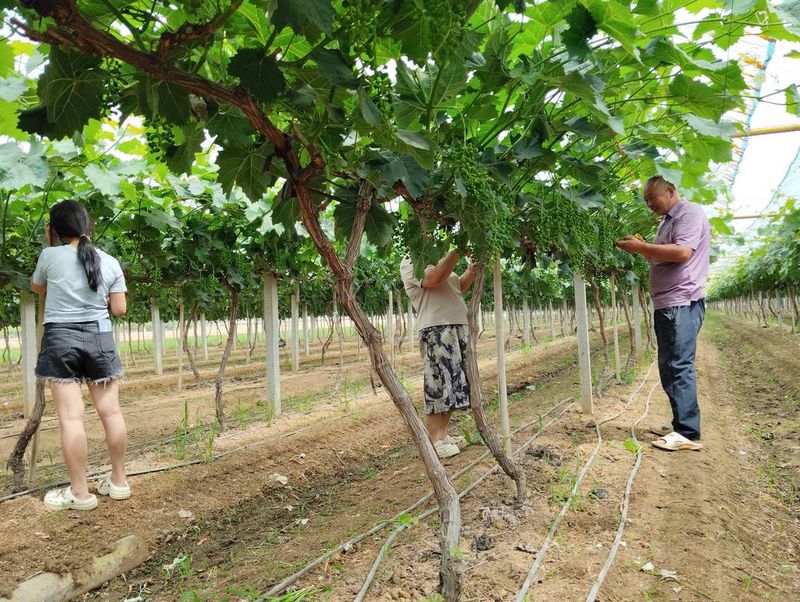
Many of the friends of fruit trees, who spend their lives around the orchards, water, trim and fat. But when it comes to results, the problems come together. The fruit is small, it looks unspirited, it tastes light, it's not sweet enough, it doesn't taste or taste。
Many suffer from this situation, either by increasing the amount of fattening or frequent watering, with the result that the problem is not only unresolved, but also prone to figs and foliage. In fact, the fruit tree expands sweetly and adapts to the growth patterns and finely manages daily. Following is a combination of years of tree-planting experience and the sharing of a number of well-established practical ways of doing business。
I. Adjusting the distribution of branches to ensure ventilation
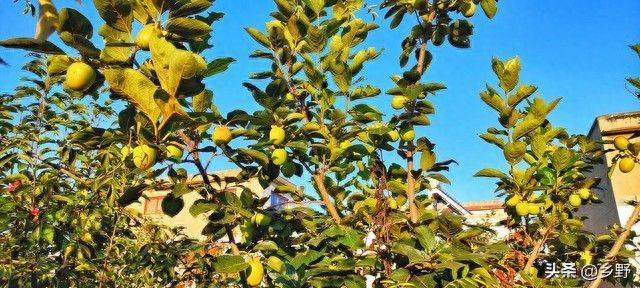
The fruit tree results are good and bad, and light and ventilation are the basis. The leaves are too thick, with no light or gas in the interior, and the fruit is naturally small and sweet。
First of all, we're going to do the triage. It focuses on cross branches within the canopy, overlapping branches, and long branches for the weak. Such branches consume many nutrients, but they are difficult to produce quality results。
The trim is done in the clear and the wound heals faster. Don't recut it all at once, sort it out in batches, so that the tree will not be affected。
The result is a rational comb. There are not too many fruits left on a single branch, too thick and scattered, and all the fruit is not well grown。
On the basis of the thin branches, the large branches may be kept in proportion to the small or small ones. To ensure that every fruit receives enough light。
The outer leaves of the canopy are normally retained and the inner-bone leaves are streamlined. Allows the sun to penetrate the whole tree, leaves a gap between the leaves, and air flows smoothly。
A daily tour of the orchard was carried out, and new and useless branches were discovered and erased in time. Reduction of unprovoked nutrient consumption and concentration of nutrition in fruit production。
The light is full of fruit, the skin is even and sugar accumulates more fully. This step is the most fundamental and critical one for the expansion of sugar。
Ii. Water as required to dry and wet the controlled soil
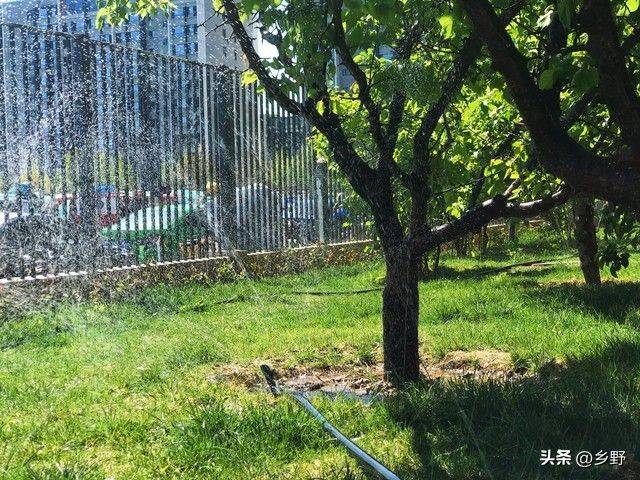
Watering appears to be simple, but it is the most vulnerable link for most farmers. Inadequate water management and timing can directly affect fruit growth and sugar accumulation。
Fruit trees are different in length and demand for moisture varies. In the pre-negative period, the soil is kept micro-humid, with no flooding。
This phase is overwatered, which can lead to new madness, competition for fruit nutrients and lower sit-in rates. Soil surfaces are white and hand-dry and refilled。
The demand for water has increased as a result of the expansion phase. At this point, the roots are strong and the water supply is stable so that the fruits can grow normally。
Watering is done in a small and intuitive manner, so that the root system is filled with one-off water, rather than half-water. The roots don't suck the moisture, and the fruit grows。
The water will be gradually reduced by about 20 days before the fruits mature. The soil is dryer than the internal sugar of the fruit is slowly accumulating。
Large-water irrigation during maturity will dilute the sugar in the fruit, decrease the taste, and trigger fissures and fallows。
The orchards are visited in time for the rainy days, and low-lying plots are easy to accumulate. Water accumulation causes oxygen deficiency and causes rotting roots。
The water accumulated in the fields must be released quickly and humid. The roots are healthy enough to sustain the flow of moisture and nutrients to the fruit of the tree。
Water as much as possible for morning or evening. High noon temperatures and the wide gap between water temperature and temperature on the ground can easily damage the roots of fruit trees。
The different plots are flexible, sandy soils are poorly watered and water is more frequent; the adhesive soils are more water-preserving and water-water spacing is stretched。
Scientific pursuit of fattening, phased supplementation of corresponding nutrients
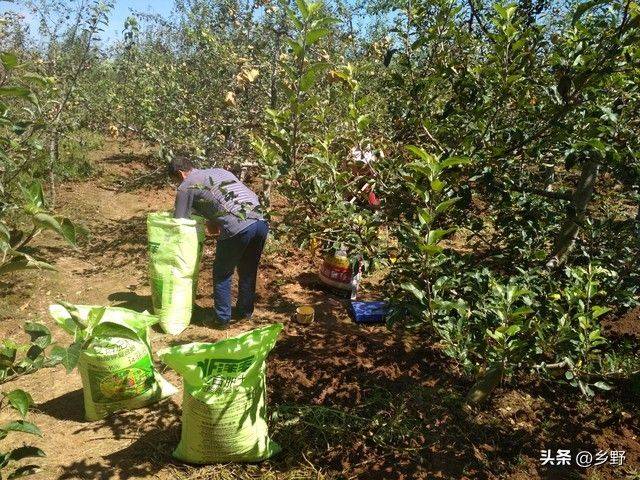
The fruit tree needs nutrients throughout its growth, but focuses on nutrition at different stages. The blind pursuit of fat is both a waste of material resources and counterproductive。
After the fruit sits, the fruit begins to grow slowly, and this phase is dominated by balanced nutrition, helping the fruit to grow steadily。
Fertilizers are applied in shallow ditches along the edges of the canopy, a position where fruit trees absorb the main roots of nutrients and absorb more efficiently。
Not to pile fertilizer directly to the root of the tree, which is easily burned at close range and affects the growth of the whole tree。
In the medium term, the fruits expand, with an appropriate focus on supplementing nutrients for fruit development. The nutrient supply is stable so that the fruit can grow evenly。
The principle of a small number of times is followed. Excessive one-time fertilization and high soil concentrations inhibit growth by burning roots。
And when the fruit goes back to the sweeter phase, it's fine. Reducing the use of nitrogen fertilizers makes the branches grow and the fruits fade。
This phase focuses on supplementing the nutrients that contribute to the accumulation of sugar, gradually adjusting and slowly increasing the taste of fruit。
The application of fertilizers, combined with soil conditions, results in an increase in the number of pursuits of fat on soil, and a reduction in soil use。
After each fat chase, a small amount of water can be used to help the fertilizer dissolve and the root system can be absorbed more quickly。
High-priced fertilizers are not sought for the entire journey, but are reasonably matched according to the size of the fruit tree and soil conditions, and sufficient nutrients and matching are sufficient。
Iv. Rational fruit-cutting and reduction of unnecessary nutrient consumption
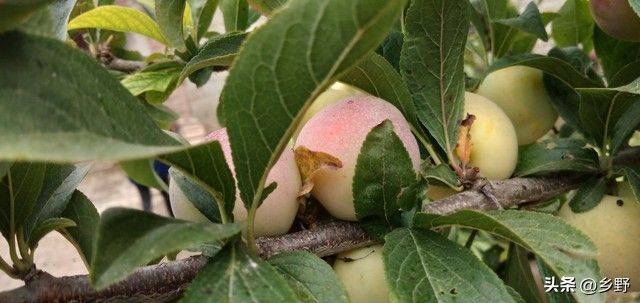
Many farmers are unable to bear fruit and feel that the more they leave, the higher the yield. On the contrary, it's overloading, and the overall quality falls。
The fruit-reducing work is carried out once the flowers have been destroyed. The sooner the fruit is lost, the less the nutrients are wasted, the better for subsequent growth。
First, we clean up deformity, disease, worms. Such fruits, even if they are mature, vary in taste and have no value。
And the fruit of the weak and the twig. The fruit, which is shielded by leaves, is ill-lighted, weak and difficult to accumulate。
Quantities are set according to tree age, tree shape. The fruit trees, which are strong and strong, are suitable for the fruits, and the trees, which are weak, reduce them。
On the same branch of the result, a suitable space is left between the fruits. The fruit is too close to each other to grow space。
The ointment must be light, so as to avoid pulling branches, touching the remaining fruit and the handle. The handle is damaged and the fruit is easily released early。
The adult fruit tree is sorely condensed that the tree canopy is at different points. Do not concentrate on a single fruit, creating a local burden。
Upon the completion of the berries, fruit tree nutrients can be concentrated in the supply of the retained fruit. The fruit grows in sufficient space, in equal numbers and with a better taste。
This work, which looks at the reduction of the number of fruit, improves the quality of the overall fruit and is an important means of ensuring good production。
V. Pest protection to ensure normal growth of trees
When fruit trees are infected with pests, leaves are damaged, trees are weakened, fruit growth and sugar accumulation are severely affected. Daily protection cannot be relaxed。
Insisting on prevention rather than waiting for widespread outbreaks. Pre-protection is in place and the post-management centre is much less careful。
On a daily basis, they visit orchards to check on leaves, fruits and branches. A small number of sick and insect leaves were found and the orchards were removed at first。
Keep the orchard clean and clean up the leaves, fruit and weeds that fall in time. These impurities tend to breed bacteria and eggs。
Vegetable trees do not pile their groceries for long periods of time, keep their fields clean and clear, and reduce the breeding environment from the source。
Based on common local pests and disease types, protection is done well in advance of response periods. Protective operations are carried out in accordance with conventional field management standards。
The leaves are the main organ in the production of nutrients by fruit trees, and the leaves are healthy and green, and the light co-operation is normal, so that the energy sources continue to produce nutrients to feed the fruit。
If the leaves are heavily affected by insects, the photocolumn capacity is reduced, the fruit is not adequately nourished, and the nature is small and of poor taste。
Pests and pests are treated in a manner that is consistent with normal management requirements. Use is not increased and the interval is reduced。
The trees are healthy, the biological activities are functioning properly and the management measures for inflation and sweetness are effective。
Vi. Controlling the flow of trees and avoiding the seizure of nutrients
The new growth of fruit trees is a common problem leading to stunting of fruit. The more leaves grow, the more nutrients they take。
The spring and summer seasons are booming, with a focus on regulating the long branches. Newly grown too fast to compete with fruit for moisture and nutrients。
In the case of the arrival of a protégé, it can be controlled in a deliberate manner. Squeeze the top of the branch and slow it down。
Carcinating can induce the wooding of branches and shift nutrients towards the delivery of fruit. The operation was carried out in batches and the subregion organized the trees。
Do not over-regulate the branches of the result, but only for the protégés, the protégés, the protégés, and the protégés, and take into account normal growth。
It is most appropriate that the tree should be moist, that the leaves should not be weak and that the nutrient distribution should be balanced. The fruit tree is unbalanced and the quality of the fruit is bound to be affected。
During the summer high-temperature period, the speed of long leaves has increased, increasing the frequency of patrols and timely treatment of new arrivals。
Reasonable control, not radical. Gradually repositioning the tree so that the growth of the whole fruit tree falls on the fruit。
The effects of tree rotation, which spans the entire life cycle and is managed in a combination of trim and water fattening, are more stable and lasting。
Summary of core points and seed alerts
I. Core operational elements
1. To trim the branches, to ensure that the whole tree is radiant, that the long branches of the useless are effaced in a timely manner, and that the fruits are reasonably preserved, and that there is no corruption in the fruit。
2. Zoning control, steady water supply during the expansion period, pre-maturity control, and timely drainage of pine soil after rain。
3. Phased scientific pursuit of fattening, replacement of balanced nutrients during the expansion period, reduction of nitrogen fertilizer during the sweetening period, and application of a small number of applications as required。
At the earliest possible stage, the fruit shall be cut off from the disease, the feeble fruit and the deformity fruit, and the amount of the fruit shall be determined by the tree pattern at the distance between the fruit and the fruit。
5. Maintain disease and pest prevention, clean orchards, protect the health of the leaves and maintain normal photolytic capacity of fruit trees。
6. Timely control of new and expanding areas and repositioning of trees to avoid over-growth of leaves and consumption of nutrients required for fruit。
Ii. Transfer
Fruit tree expansion and sweetness are a coherent set of field management that does not come immediately from a single operation. All management approaches need to be sustained over time and implemented incrementally。
There are differences in climate, soil and fruit tree varieties, and you can adjust management details flexibly to the realities of your own orchard. It's the best way not to carry a hard-on, the right way for local plots and fruit trees。
Be patient in management, with fruit trees growing their own patterns, steadily adjusting the tree, managing water fertilizers, providing cutter protection, and insisting year after year on a steady rise in the head and taste of the fruit。
These are practical lessons learned by the field over the years, all of which are practical approaches to landing. It is considered useful to collect the contents, to run the orchards on a regular basis, and to transmit them to their neighbours who grow the fruit tree。
And i'd like to ask you, how do you normally manage orchards when they're small and sweet? An exchange of seeding experiences in the comment area would be welcome。