After pcb has been sampled and the circuit boards produced, the next step is to weld all of its components, such as electrical resistance, capacitors, chips, etc., to the plate. When welded manually, it was inefficient and difficult to ensure consistency. At that point, the smt sticker was put to great use. As has been frequently mentioned in the science of electronic manufacturing in cong dong state, the understanding sticker is one of the core equipment of the modern smt production line。
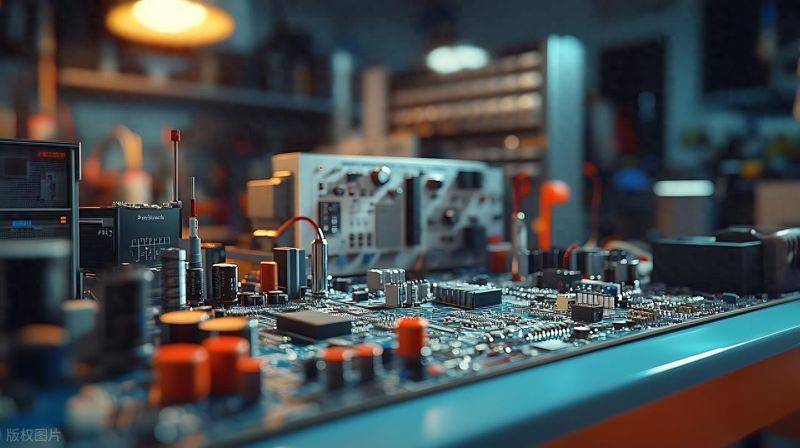
What's a smt sticker
The smt sticker is an automated device whose task is to remove surface-loading elements from the packaging (packaging, tray or tube) and to place them precisely in the welding position specified on the pcb after the visual alignment. Then welded back and then the device was welded firmly on board。
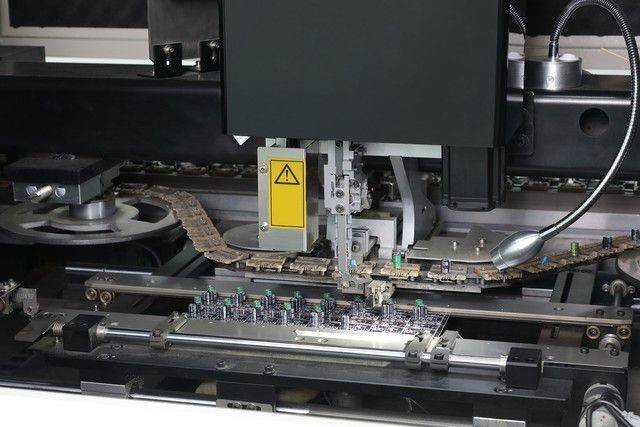
A typical sticker consists of: the feeder (feder) is used to place a metaware belt; the load header is used to pick up and place the elements; the visual system is used to identify the element and the parallel marking on the pcb; the motion control system drives the load head to move at high speed; and the software system is responsible for converting the sticker coordinates。
The workflow of the sticker is broadly as follows: pcb sends the machine in orbit and fixes it; the load head moves to the feeder position to extract the element; the flight camera or fixed camera detects the component position and angle and auto-corrects it; and finally, the element is loaded to the exact location of the pcb. A high-speed sticker can contain tens of thousands or more of components per hour。
How do you choose the sticker
In actual production, the selection of suitable stickers is a decision that requires a combination of multiple factors. The following are several key selection dimensions。
First, the speed of the patch. The velocity is usually expressed in cph (number of component packages per hour). High-speed machines are the first option if the product is large and the number of components is large; medium-speed or modularized machines are more flexible if they are multi-species small-volume or sample-tested。
Second, fit precision. Accuracy is divided into repeat precision and positioning precision, usually in μm. For 0402, 0201 or even smaller resistance components and fine-range chips, a high-precision tablet is required (e. G. Within 50 μm). Normal large components require relatively low precision。
Third, range of components. The sizes of the components that are handled by different stickers vary. Some machines are good at small pieceware, while others are able to fit large connectors or alien elements. Select the type to make sure that the machine covers all the components in your product。
Fourth, feeder capacity. The production of complex pcbs may require hundreds of different components, and the adequacy of feeder stations is also an important factor。
Fifth, software and programming facilities. A good sticker software allows offline programming, optimizes adhesive paths, and allows for the integration of common cad and gerber data, directly generating a patch programme from pcb design files。
Sixth, budget and brand. The price of the stickers varies from tens of thousands to millions. For start-ups or r & d teams, second-hand high-speed or domestically produced new economic machines are a good option. High-end brands such as matsu, yamaha, fuji and siemens still dominate for large-scale manufacturing plants。
From practical experience, it is recommended that, before the equipment is selected, a sample test be performed from the actual product to the equipment supplier to assess the speed, accuracy and input rate. The availability of after-sales services and technical support should also be considered。
In summary, smt stickers are key equipment for electronic manufacturing from manual to automated. The selection does not require the pursuit of “the fastest and most expensive” but rather the most appropriate balance according to the type of product, production budget and process requirements。